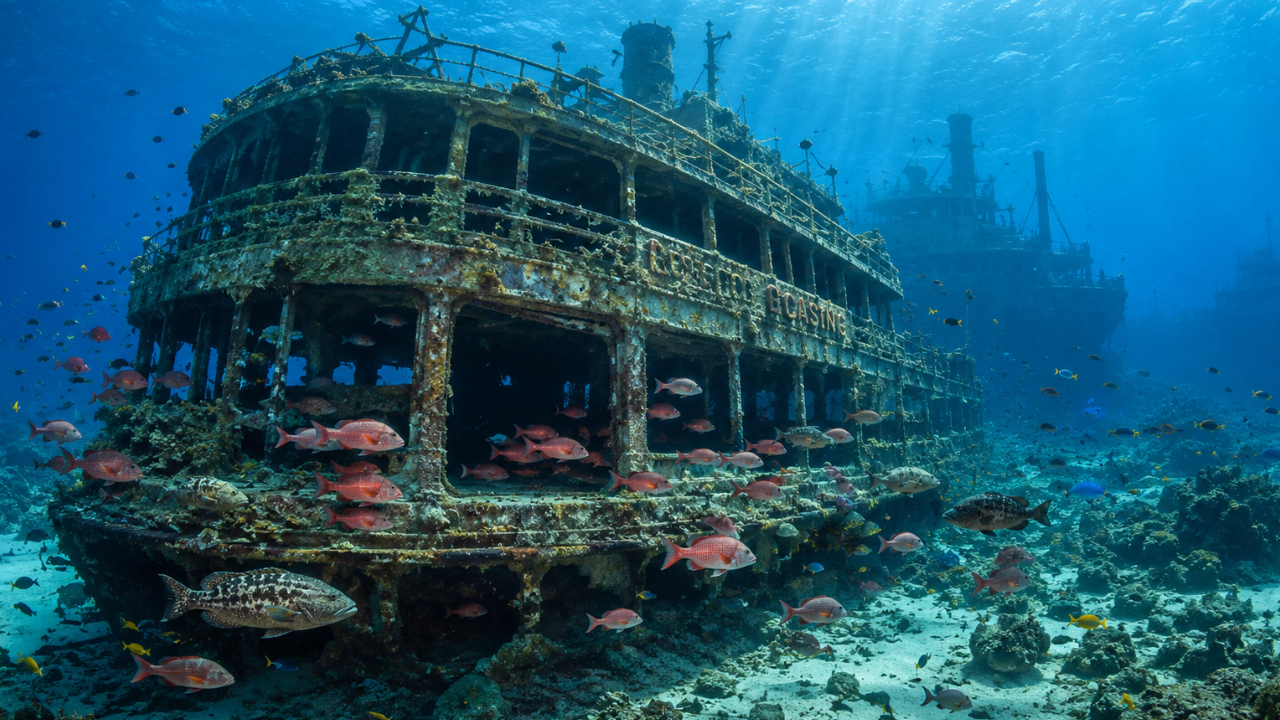
Somewhere off the coast of Orange Beach, Alabama, a 408-foot riverboat casino is now sitting quietly on the Gulf floor, 120 feet below the surface. It may sound like a heist movie plot, but it is a planned reefing project. The Alabama Department of Conservation and Natural Resources intentionally sank this vessel in early July 2026 to convert the abandoned gambling boat to fish habitat. It is no random concept, rather a strategy that has been developed through years of marine research, including a 2015 PLOS ONE study titled ‘ An Analysis of Artificial Reef Fish Community Structure along the Northwestern Gulf of Mexico Shelf: Potential Impacts of “Rigs-to-Reefs” Programs ,’ that found depth and structure type strongly influence which fish communities settle on artificial reefs across the Texas Gulf shelf, a factor Alabama's reef planners also weigh when siting new wrecks.
Get breaking news anytime, anywhere. Download the TOI app now!
Meet the Argosy VI, the boat with a second act
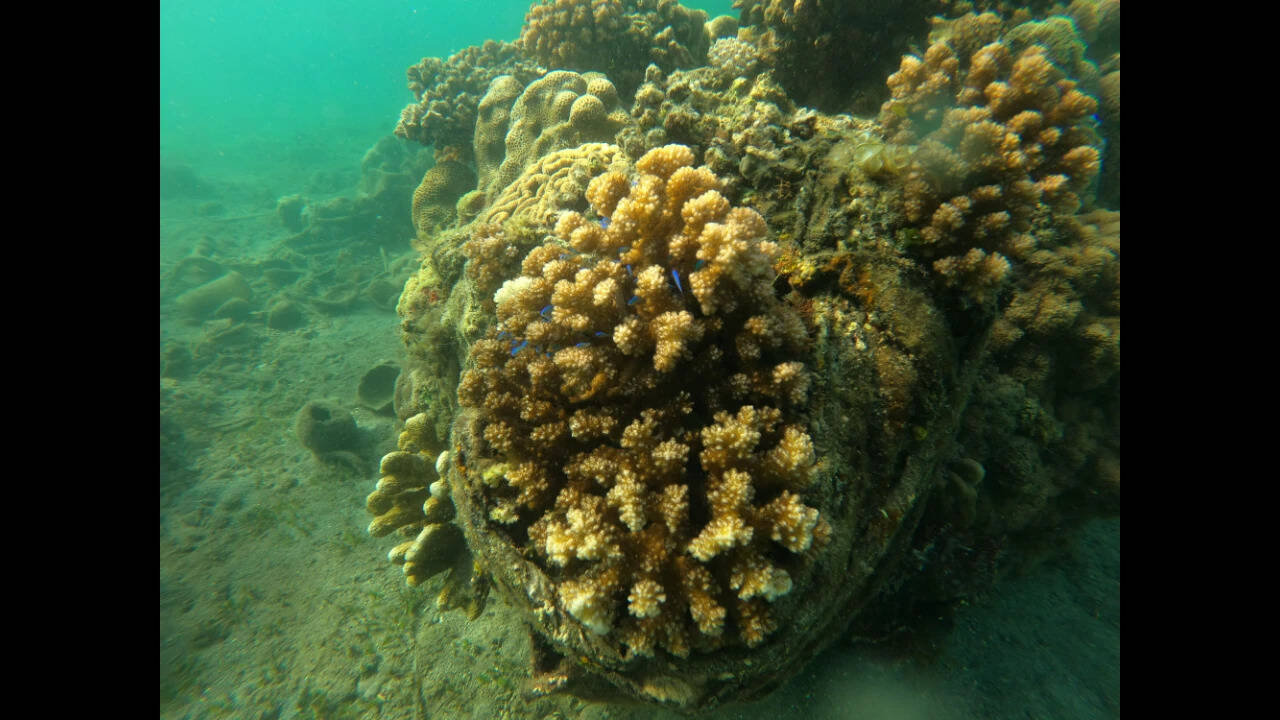
The Argosy VI was a riverboat casino based in Indiana. After it was decommissioned, it was stationed at Bayou La Batre in Alabama for many years, according to the Alabama Department of Conservation and Natural Resources, which oversaw the project. Craig Newton, a biologist with the Marine Resources Division, said two casino ships were docked in the area before Hurricane Sally hit in 2020. Years later, as part of the state's long-planned reef cluster, the state bought the Argosy VI, removed hazardous materials such as fuel and grease, and cut large holes in its decks to allow water, light and marine life to pass through. It was then towed offshore and flooded until it sank.
Three ships, one underwater neighbourhood
Argosy VI is not sinking into oblivion alone. The vessel now has two other large ships as companions: Lulu, sunk in 2013 and New Venture, sunk in 2018, both located within about 7.5 miles of the Argosy VI's sinking site in a location about 23 miles south of Orange Beach. Together, they form a project that Commissioner Chris Blankenship of the Alabama Department of Conservation and Natural Resources says fulfils a plan conceived in 2013. The clustering is intended to concentrate marine life and boating traffic in one area, which may make route planning easier for dive operators and charter captains, and reasonably, a diver or angler can do all three sites in a single day trip.
Why size and shape matter underwater
At 80 feet wide and four decks tall, the Argosy VI is wider than the Liberty ships, the World War II-era warships deliberately scuttled off Alabama in the mid-1970s, which measured about 50 feet across. Newton explains that this extra width and height gives the wreck more "vertical complexity," with more nooks, ledges and open spaces at different depths. This factor is important because a 2009 study, ‘ Analysis of Deepwater Shipwrecks in the Gulf of Mexico: Artificial Reef Effect of Six World War II Shipwrecks ,’ published in the scientific journal Oceanography, found that shipwreck shape, depth and structure influence how quickly marine organisms colonise a wreck.
A reef built with public funding, not private money
The 408 feet of steel that was sunk in the seabed is certainly not without a cost, and in this case, Alabama used money from the Gulf of Mexico Energy Security Act (GoMESA), a federal fund linked to offshore energy revenue, with the state approving the release in 2025. This is quite common when it comes to financing these kinds of projects in the Gulf because it is not cheap to sink a ship safely after stripping out the pollutants.
What divers and anglers can expect
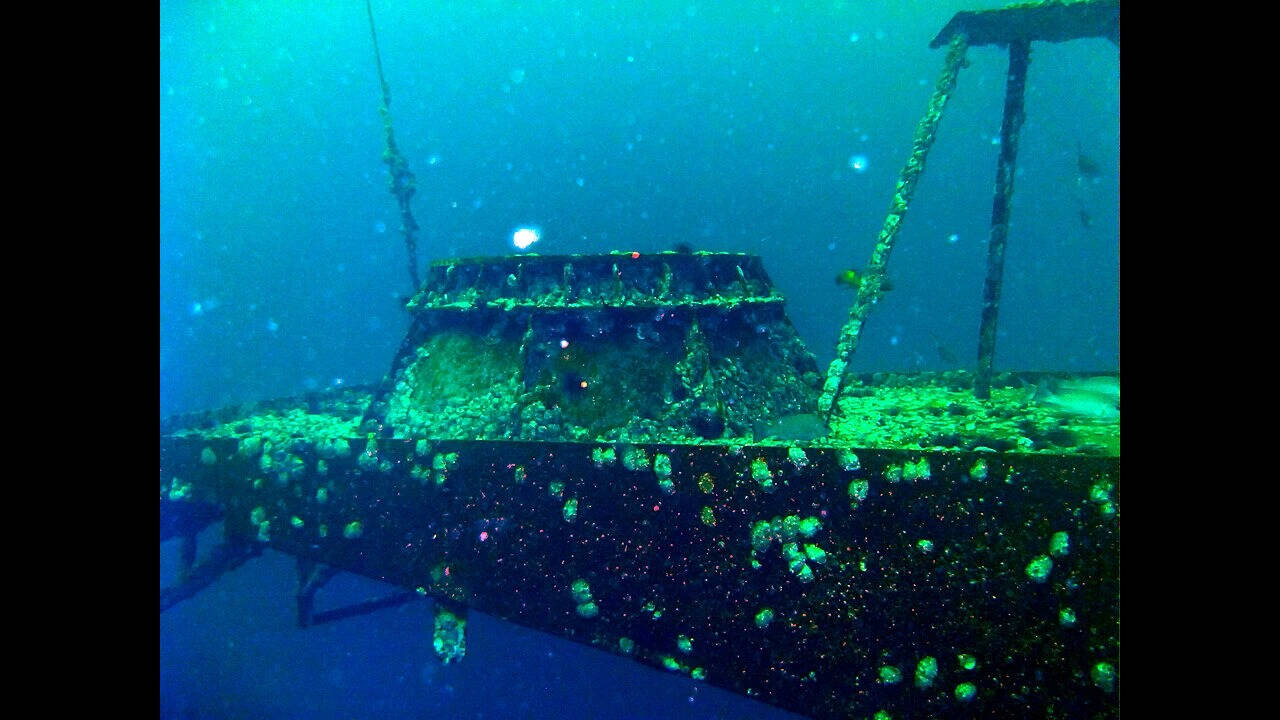
Officials in Alabama expect the artificial reef to attract red snapper, grouper, grey triggerfish, vermilion snapper and amberjack. According to Russell Rigby, coordinator of Alabama’s artificial reef program, some fish may arrive within hours of the sinking, while a stable community could take about a year to form.
Government monitoring data collected from elsewhere in the Gulf confirms the economic aspect of the story. Texas Parks and Wildlife Department , which is in charge of running a similar reefing program in an adjacent area, estimates that one of the well-known ship reefs provides revenues worth over a million dollars per year for the economy of the region via dive charters, fishing tours, hotels, and restaurants. Alabama’s reef area covers 1,100 square miles and includes 12,000 reef units.
A slow-built resource, not a one-off stunt
If you’re under 40 and scrolling past a headline about a sunken casino boat, it’s worth a stop on the timeline here. It took over a decade and three separate vessels to complete this cluster. Rigby says the Argosy VI is expected to serve as a functioning reef for the next 30 to 50 years, quietly gathering marine life long after the headlines fade.
It's a strange kind of recycling: the hull of a retired casino, 23 miles offshore in the Gulf, now set to provide habitat for red snapper and grouper for decades to come.