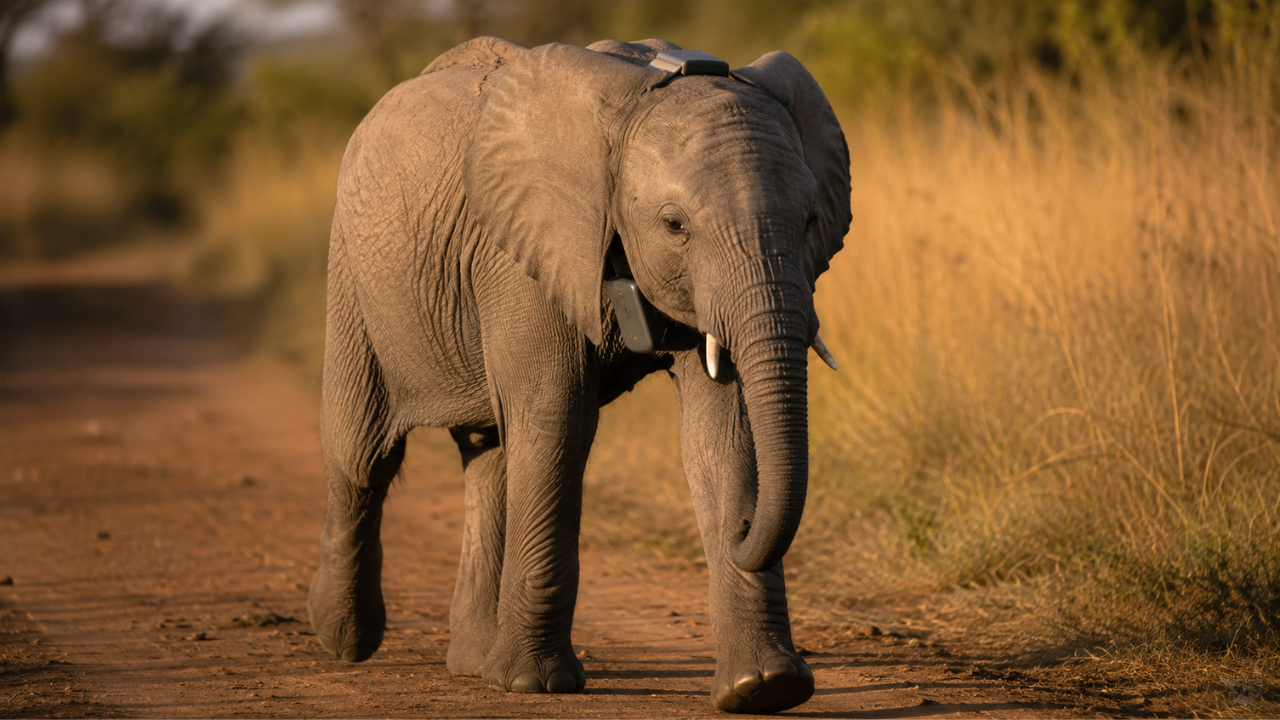
When conservationists fitted a GPS collar to a young bull elephant in western Zambia in June 2023, they hoped to learn more about how elephants moved through one of Africa’s largest conservation landscapes. Two years later, the animal, known simply as Z16, had walked nearly 12,000 kilometres, crossed four countries, travelled through six national parks and produced one of the clearest modern records of the ancient migration routes elephants still appear to follow. His journey also highlighted a more complicated reality: while elephants ignore political borders, human-made fences and expanding agriculture increasingly shape where they can and cannot move.
Get breaking news anytime, anywhere. Download the TOI app now!
According to the SpaceDaily report based on conservation monitoring , Z16 was fitted with a GPS collar by the conservation organisation Elephant Connection north of Zambia’s Sioma Ngwezi National Park. Over the following two years, the animal travelled almost 12,000 kilometres, moving between Zambia, Namibia, Botswana and Zimbabwe. His route included the Sobbe Corridor, Mudumu National Park, the Okavango Delta, Makgadikgadi National Park, and Hwange National Park. Wildlife biologist Kerryn Carter, founder of Elephant Connection, told Mongabay that bull elephants appear to use the arrival of the summer rains as a trigger for long-distance movements and that the routes they follow resemble well-established migration pathways rather than random wanderings.
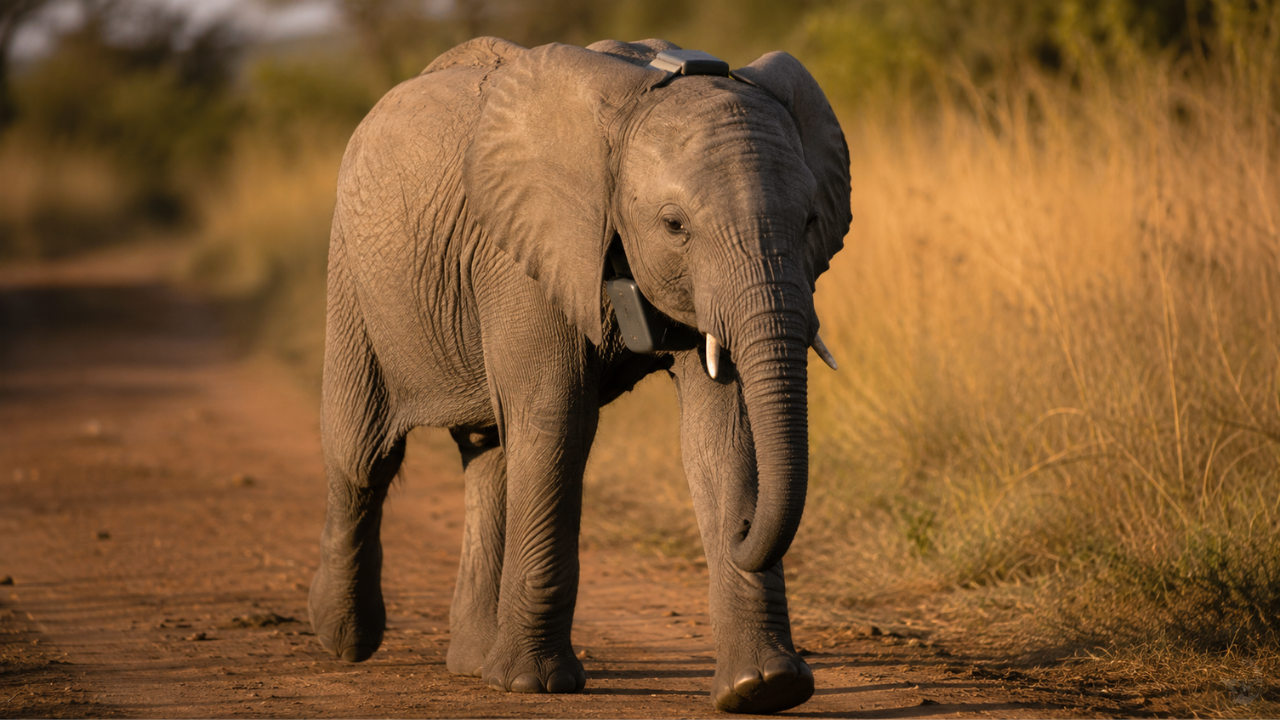
Bull elephants still follow ancient routes, but family herds often stay behind
The GPS data also revealed that Z16’s remarkable journey is not typical of the wider elephant population. While adult bulls frequently move between countries, female-led family groups generally remain within much smaller home ranges.
According to a Frontiers in Conservation Science study by Robin Naidoo and colleagues , which analysed tracking data from 291 GPS-collared elephants across the Kavango Zambezi Transfrontier Conservation Area (KAZA), almost half of the tracked elephants crossed at least one international border, but only 36% of those cross-border travellers were females. The finding is significant because female-led family groups make up the vast majority of the region’s estimated 228,000 elephants. Researchers suggest females with calves are much less willing to cross rivers or negotiate old veterinary fences, even where those barriers have fallen into disrepair. According to Naidoo, some fences may continue influencing elephant behaviour because they once carried electric wires, while rivers themselves often define long-established home ranges for breeding herds.
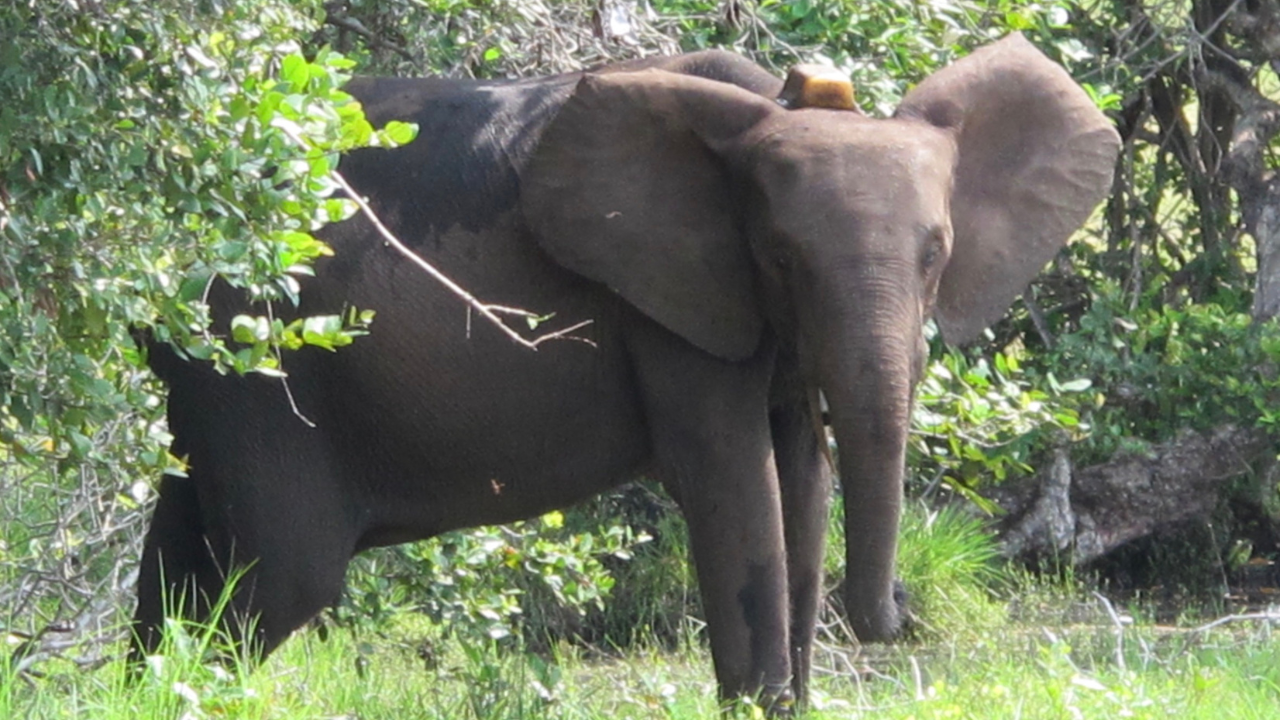
Protecting corridors means protecting people too
One section of Z16’s journey has become especially important to conservationists: his repeated use of the Sobbe Corridor, a narrow wildlife passage in Namibia’s Zambezi Region, demonstrates how relatively small habitat links can connect enormous protected landscapes spanning several countries. According to research by environmental anthropologist Emilie Köhler and geographer Michael Bollig , published in the Review of Regional Research, maintaining wildlife corridors is about more than protecting elephants. Communities living alongside these migration routes regularly experience crop damage from elephants, forcing some farmers to guard their fields at night using fires and drums to drive the animals away. At the same time, local conservancy programmes provide employment, partial compensation and income from carefully regulated wildlife tourism and hunting, creating incentives for communities to tolerate elephants despite the challenges they bring.
For conservationists, Z16’s journey is valuable because it transforms an abstract idea into a visible map. His GPS collar traced pathways that likely existed long before today’s national borders were drawn, demonstrating that elephants still recognise landscapes shaped over generations rather than by political boundaries. As Africa’s human population grows and infrastructure expands, scientists increasingly argue that preserving these migration routes will be just as important as protecting the national parks themselves. One elephant’s 12,000-kilometre journey has become a reminder that wildlife conservation depends not only on safeguarding destinations, but also on keeping the ancient roads between them open.