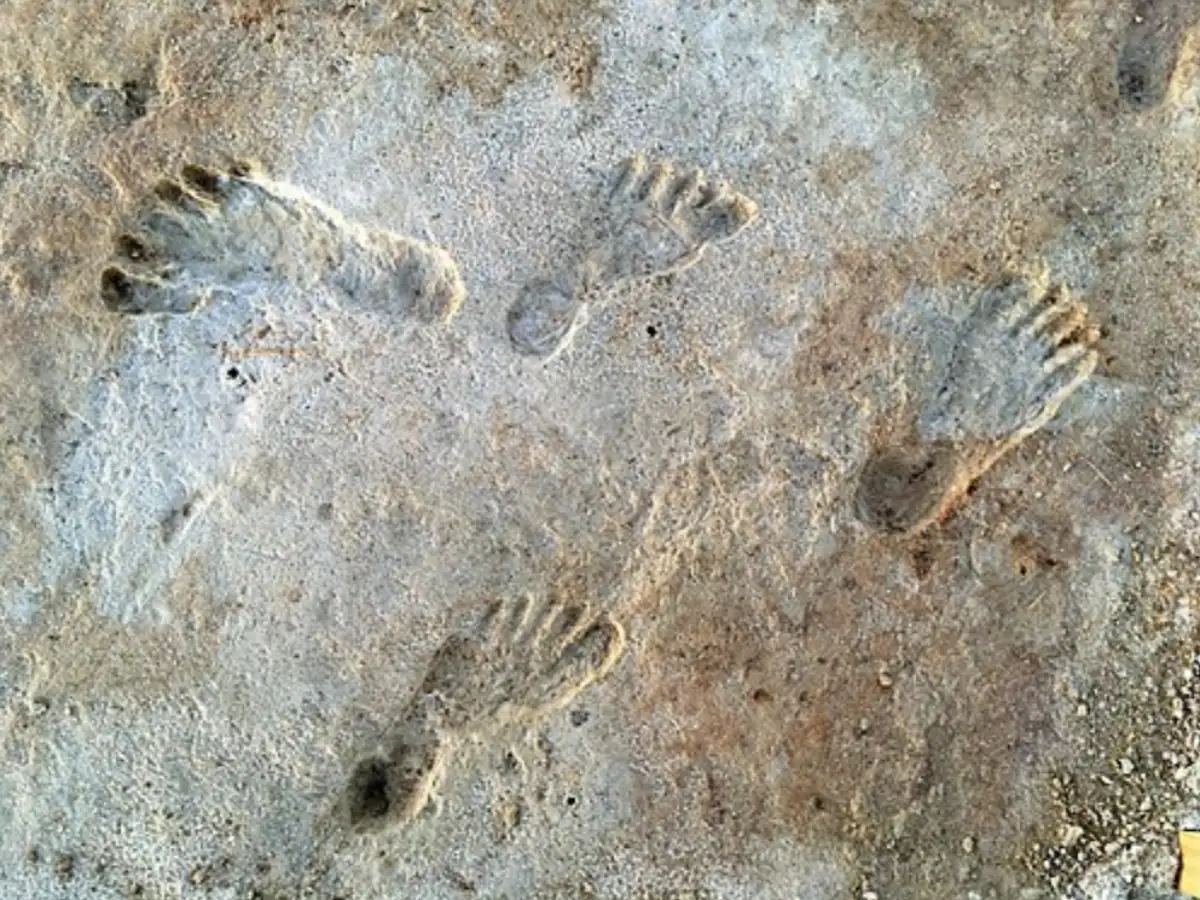
The discovery of ancient human footprints at White Sands National Park in New Mexico quickly became one of the most significant archaeological finds of the last decade. The reason was not simply that the tracks were well preserved, but that they appeared to be much older than many archaeologists expected. When researchers first reported dates suggesting the footprints were between approximately 23,000 and 21,000 years old, the finding immediately entered a long-running debate about when humans first reached North America. For decades, the Clovis-first model had placed the earliest widely accepted human presence much later. If the White Sands dates were correct, people were living in North America during the Last Glacial Maximum, thousands of years earlier than that traditional timeline allowed. Because of the claim’s significance, researchers subjected the site to intense scrutiny, testing the chronology with multiple dating methods and independent lines of evidence.