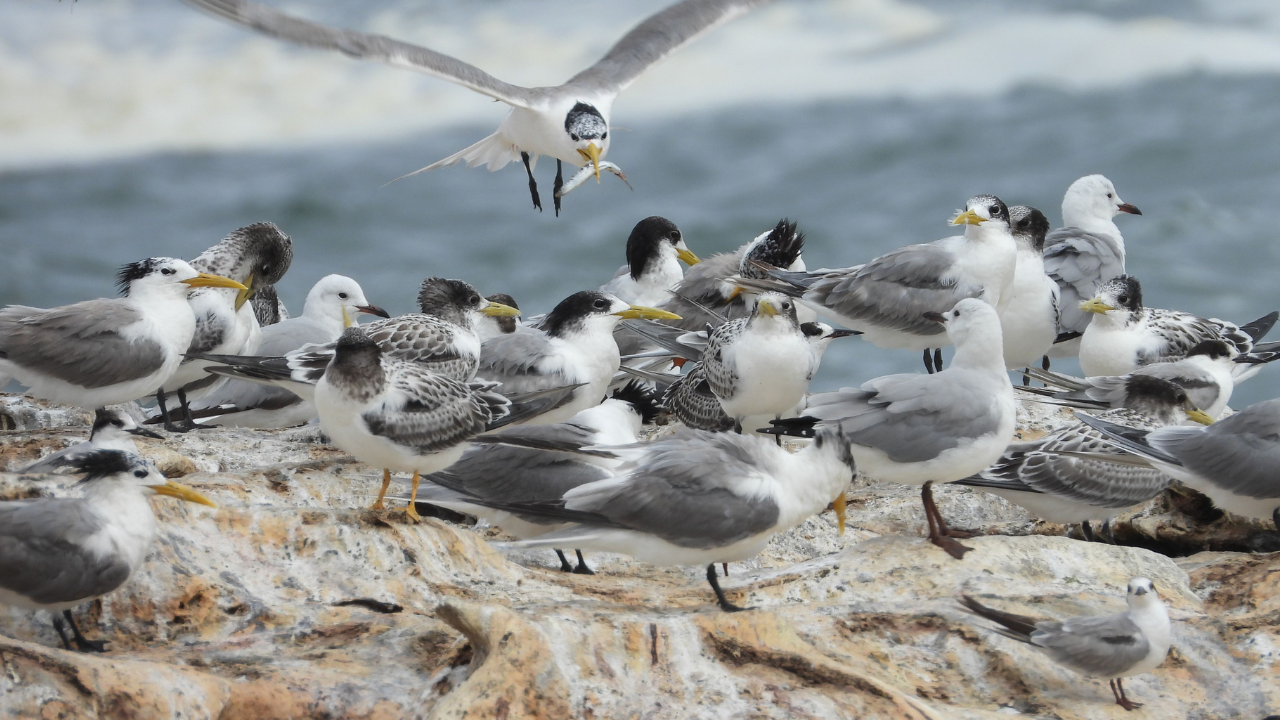
Imagine a rocky island, no birds, no nests, just the sound of the waves. Now imagine scientists trying to get birds to live there again. This is what happened on Desecheo Island, off the west coast of Puerto Rico. In a study published in the journal Ecological Solutions and Evidence , researchers used plastic decoys, mirrors and speakers playing recorded bird calls to create fake bird colonies. According to the study, within two years, real seabirds started appearing.
Get breaking news anytime, anywhere. Download the TOI app now!
An island that lost its birds
Desecheo once had abundant seabird colonies, but that changed over time. Goats, black rats and rhesus macaques have been introduced to Desecheo through the years, and the island became a military target practice ground. These invasive animals would eat seabird eggs, chicks and even adult birds. Seabird colonies gradually vanished.
The eradication process against these nonnative species took place for decades. The study notes that goats, macaques and black rats were eliminated from the island in 2016 as a result of efforts that began back in 1976. Finally, the habitat was safe for the birds again. However, there were no seabirds, and birds do not normally return to deserted islands on their own.
Why birds need other birds around
Seabirds are social. Many species will not settle in a location unless they can see or hear other birds already there. Scientists call this social attraction. The idea might sound odd, but from the point of view of a bird, it all makes perfect sense. If there are other birds that nest somewhere, it means that the area is safe from predators and suitable for nesting.
Similar studies have been performed previously. The study, ‘ Assessing aural and visual cueing as tools for seabird management ,’ published in the Journal of Wildlife Management, studied common terns in Massachusetts and found that the birds only responded to decoys when taped calls were played nearby. The researchers found that sound was more important than just sight.
Creating a colony that really didn't exist
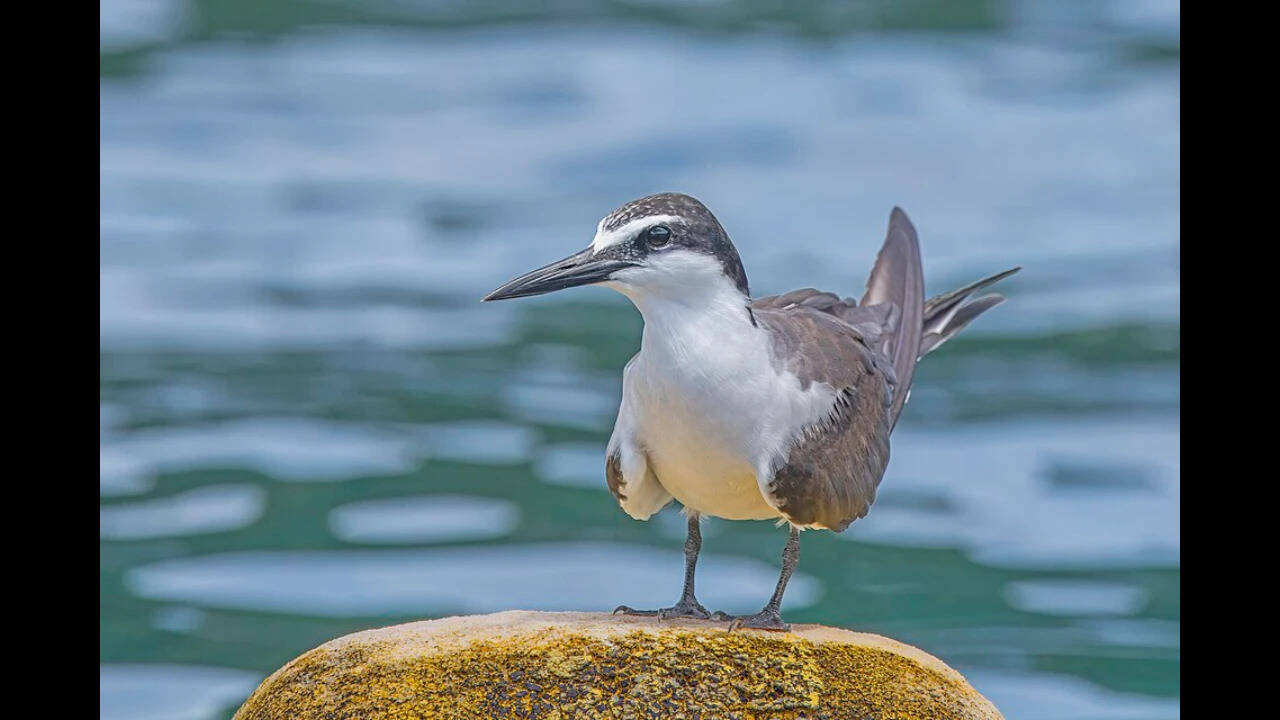
To try out their theory, the team chose the island of Desecheo. In February 2018, they set 30 artificial birds shaped as bridled terns on the southern coastline of the island, along with five small mirrors and five motion-sensor cameras for monitoring the visitors. The artificial birds were made from recyclable plastic and manually painted to resemble living creatures. They were either set in a pair or individually to mimic the process of nesting, with mirrors mirroring them in order to increase the size of the colony, according to the study.
Two solar-powered speaker units play recordings of real seabird calls loud enough to reach up to 300-500 metres depending on the wind and waves.
A storm nearly ended the experiment
In March 2018, there was a storm surge that hit the island and destroyed nearly everything that had been put together by the researchers. According to the study, out of the 30 bridled tern decoys that had been created, 29 of them were destroyed, in addition to all the mirrors and cameras at the location.
However, the team did not give up. In February 2019, they constructed two new decoy colonies on the west coast of the island, including decoys, mirrors and cameras in both locations. This time around, their efforts were successful.
Birds started appearing
The cameras recorded real action during the following two years. Seven bridled tern nests were seen in total, with two of them being near a decoy colony, making it quite clear that the artificial colony had helped attract real birds to build nests here, the study noted.
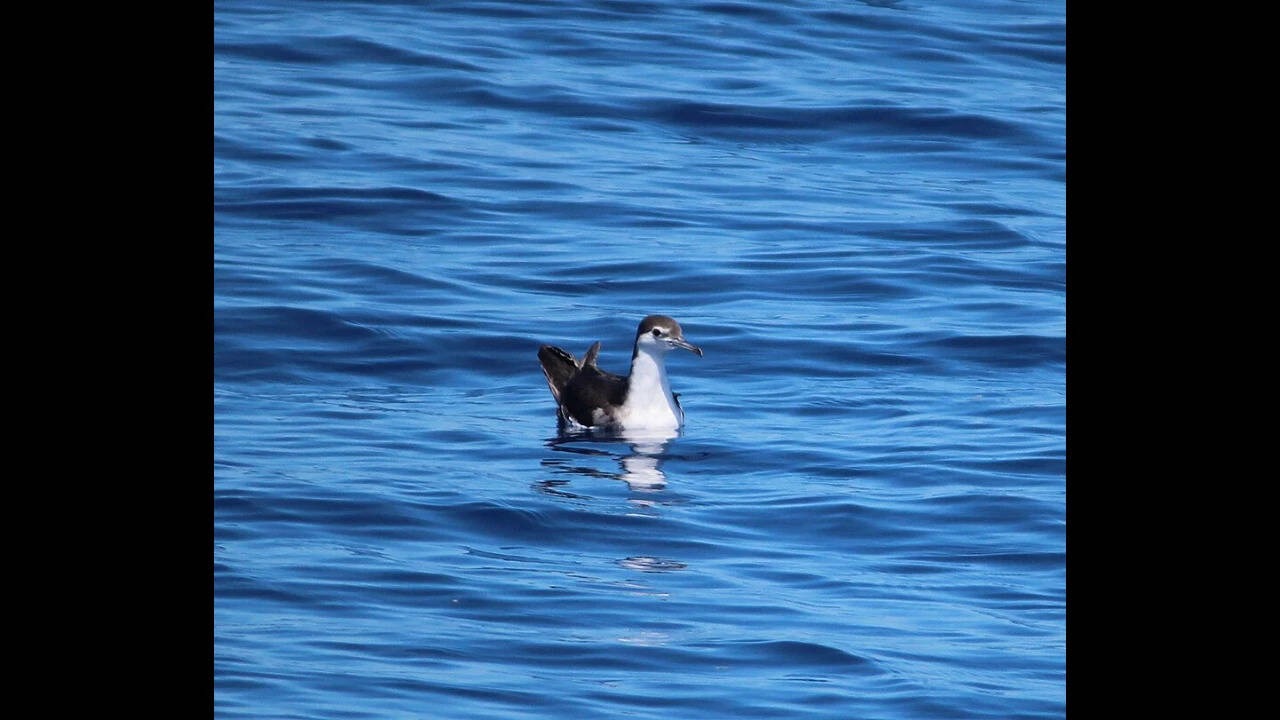
One of the speaker systems managed to lure in an Audubon's shearwater, which is a species of conservation concern and had never been confirmed in Desecheo. There was only one of the bird found in 2018, while two others showed up in 2019.
In contrast, the brown noddy population, the third target species, was not able to achieve this effect. No brown noddy nests or repeat visits were detected during this experiment, an example of how this technique does not yield the same results in the case of different species despite the use of the same equipment.
A method with a track record
Decoys and speakers have also been employed at locations other than Desecheo Island. Audubon's Seabird Institute reports that the same approach has been successful in restoring populations of puffins and terns in colonies on the islands off the coast of Maine. The Desecheo project shows that the same approach can work for tropical seabirds too, not just birds in colder northern waters.
Why is this little trick important
The artificial colony in Desecheo was considerably less expensive than other major conservation programs. Plastic decoys, mirrors and solar-powered speakers are a bargain compared to the years of direct relocation activities, yet they helped to introduce a new species to the island.
It’s a reminder that you don’t always need something complicated for wildlife recovery. It is sometimes enough just to speak the language that animals understand: the sight and the sound of their companions who are telling them that this place is safe to live in.