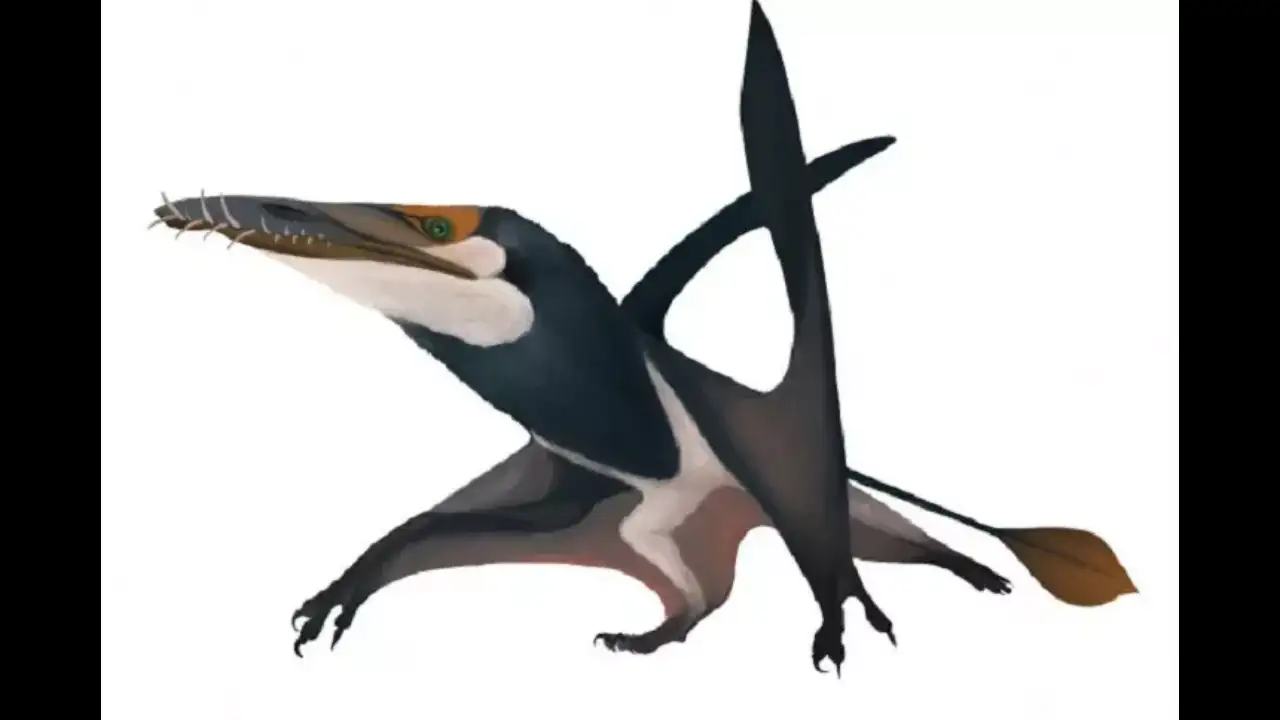
A remarkable fossil discovery in northwestern China has opened a new window into the lives of pterosaurs, the ancient flying reptiles that shared the Earth with dinosaurs. Researchers uncovered hundreds of fossilized eggs alongside the remains of young and adult animals, offering rare clues about how these prehistoric creatures developed. The findings, published in Science, have also sparked fresh debate over whether pterosaurs cared for their hatchlings.
What Makes This Fossil Discovery So Remarkable?
An extraordinary collection of fossils found in northwestern China is helping researchers better understand one of the most mysterious groups of prehistoric animals.
According to a study published in the journal Science, researchers uncovered more than 200 fossilized eggs belonging to Hamipterus tianshanensis, an ancient pterosaur species. The eggs were discovered together with the bones of juvenile and adult animals inside a three-meter-square block of rock excavated from the Turpan-Hami Basin.
The discovery immediately drew attention from paleontologists around the world.
David Unwin, a paleontologist at the University of Leicester in the United Kingdom who was not involved in the research, described the site as "one of the most extraordinary fossil [finds] I've ever seen."
Scientists believe the fossils date back roughly 120 million years.