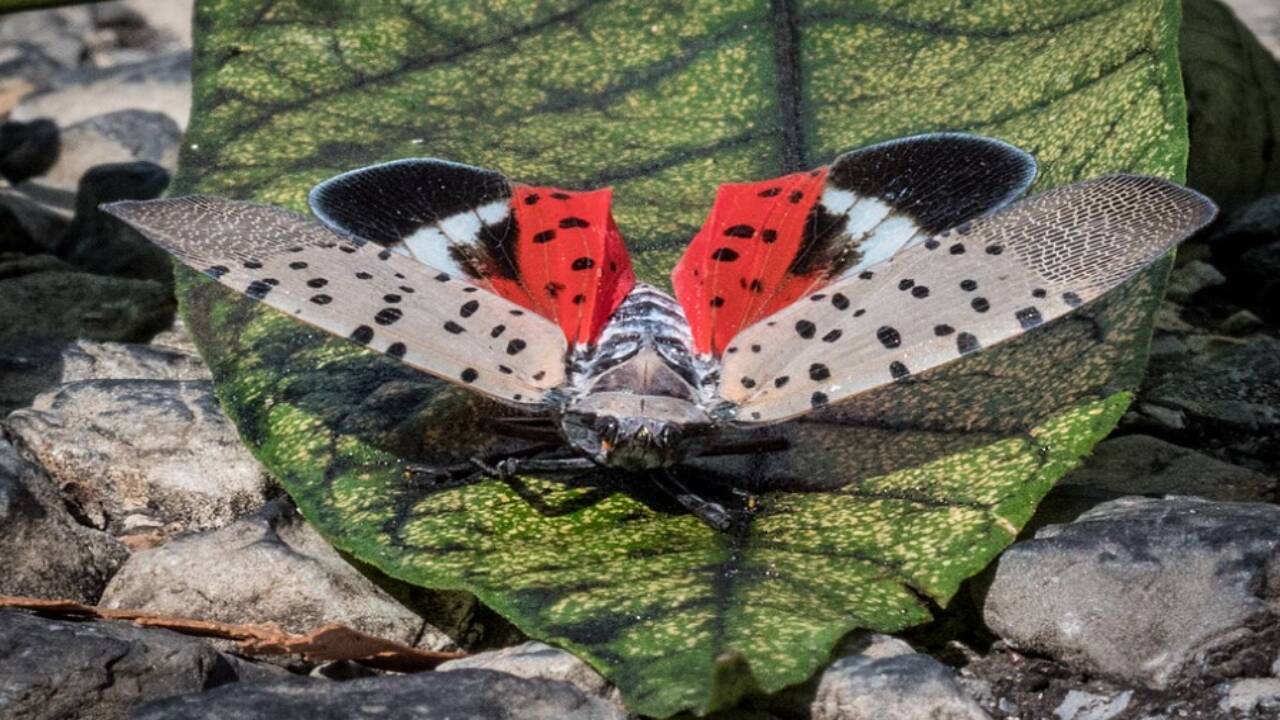
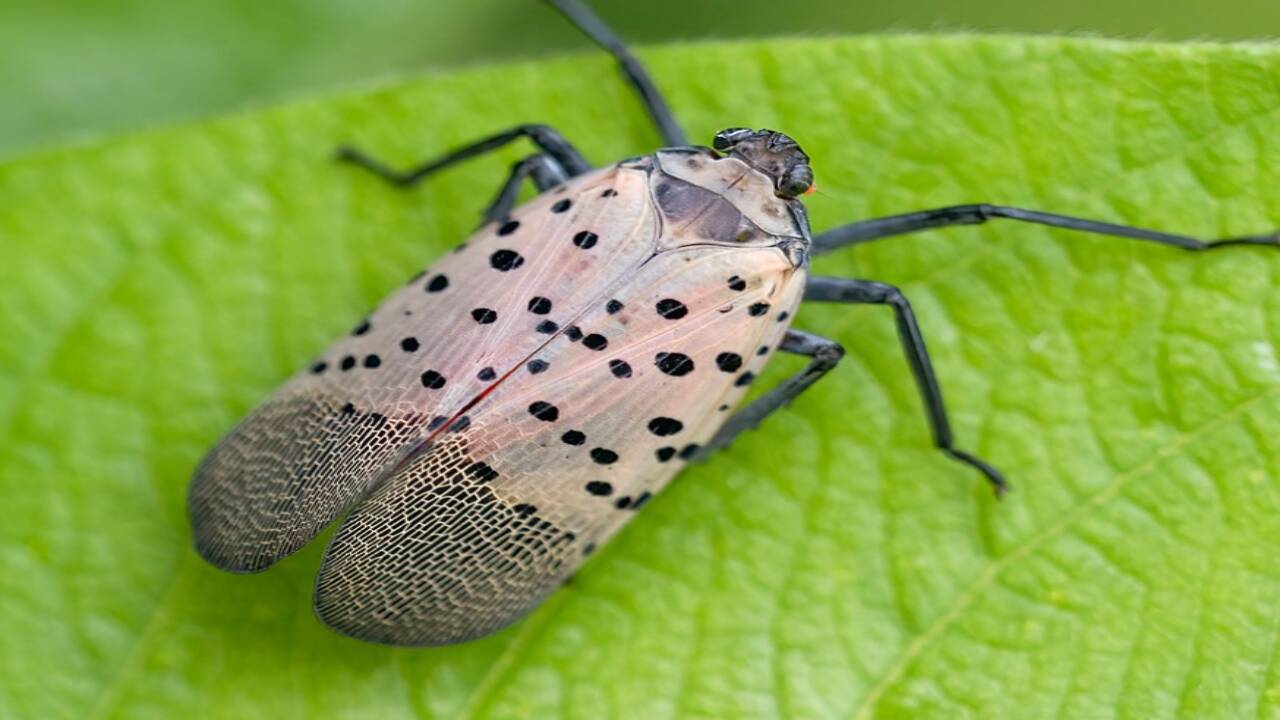
In 2014, inspectors in Berks County, Pennsylvania, found a striking, moth-like insect with black-spotted wings that had never before been recorded in the state. According to the US Department of Agriculture , the spotted lanternfly is a hitchhiking pest native to Asia that likely arrived in the United States on goods shipped from overseas, possibly as an egg mass on imported stone products. More than a decade later, the insect has become one of the most destructive agricultural pests in the eastern United States, and it has developed a particular appetite for grapevines.
Get breaking news anytime, anywhere. Download the TOI app now!
A pest that spreads by hiding in plain sight
The spotted lanternfly does not fly long distances on its own. Instead, it spreads the way it arrived, by hitching rides. According to the US Fish and Wildlife Service , the insect lays its eggs on flat, hard surfaces, including vehicles, firewood, outdoor furniture, and shipping materials, which lets a single infested load carry the pest hundreds of miles in a matter of hours. It uses piercing, sucking mouthparts to feed on plant sap, draining nutrients, weakening the plant, and leaving it more vulnerable to disease. Its preferred host is another invasive species, the tree of heaven, but it readily switches to more than 100 other plants, including maple, walnut, and cherry trees, once its favorite is unavailable nearby.
Vineyards have emerged as one of the insect's most economically damaging targets, since grapevines are especially attractive to the pest and untreated infestations can destroy a vineyard within three years. In Pennsylvania alone, researchers estimate the pest could eventually cost the state more than $300 million a year and thousands of jobs. In New York's Lake Erie and Finger Lakes wine regions, losses linked to the insect have climbed each year an infestation persists, running into the millions of dollars annually as vines lose sugar content and cold hardiness.
Why growers are now watching California nervously
For years, the spotted lanternfly's damage was concentrated in the Mid-Atlantic and Northeast, but its westward spread has worried wine producers. According to The Washington Post , nineteen states and Washington, D.C. are now grappling with infestations, and statistical modeling suggests the insect could establish itself in California's grape-growing counties by 2033 if it continues spreading unmanaged. California produces roughly 80 percent of the wine made in the United States, and industry groups have pegged the value of the state's wine sector at around $85 billion, making it a far larger prize for the pest than any region it has reached so far. Border inspectors in California have already intercepted vehicles carrying firewood contaminated with spotted lanternfly egg masses, suggesting the insect is reaching the state before any natural spread.
A decade of quarantines, and no clear end in sight
Efforts to slow the insect have relied heavily on quarantines, permits for businesses moving equipment through infested counties, and public awareness campaigns urging residents to check vehicles and belongings before traveling. Despite those measures, the spotted lanternfly's range has expanded almost every year since 2014, moving from a single Pennsylvania county to nearly 20 states in roughly a decade. Some vineyard operators have tried using the tree of heaven as a trap crop, injecting it with insecticide to lure and kill lanternflies before they reach the grapes, while others have removed the tree entirely from surrounding land, with mixed results.
What began as an unnoticed hitchhiker on imported goods has become a nationwide agricultural threat that regulators are still struggling to contain. Entomologists say the insect's ability to hide its eggs on ordinary objects makes it almost impossible to fully quarantine, meaning vineyards from Virginia to Ohio, and potentially California, will likely be managing this pest for years to come. Adult lanternflies typically appear in vineyards between July and October, overlapping with harvest season and leaving growers little time to treat infestations before the insects can inflict lasting damage on that year's crop.
Stay updated with the latest news on Times of India. Get all the trending City News, India News, Business News, and Sports News. For Entertainment News, TV News, and Lifestyle Tips, visit Etimes.