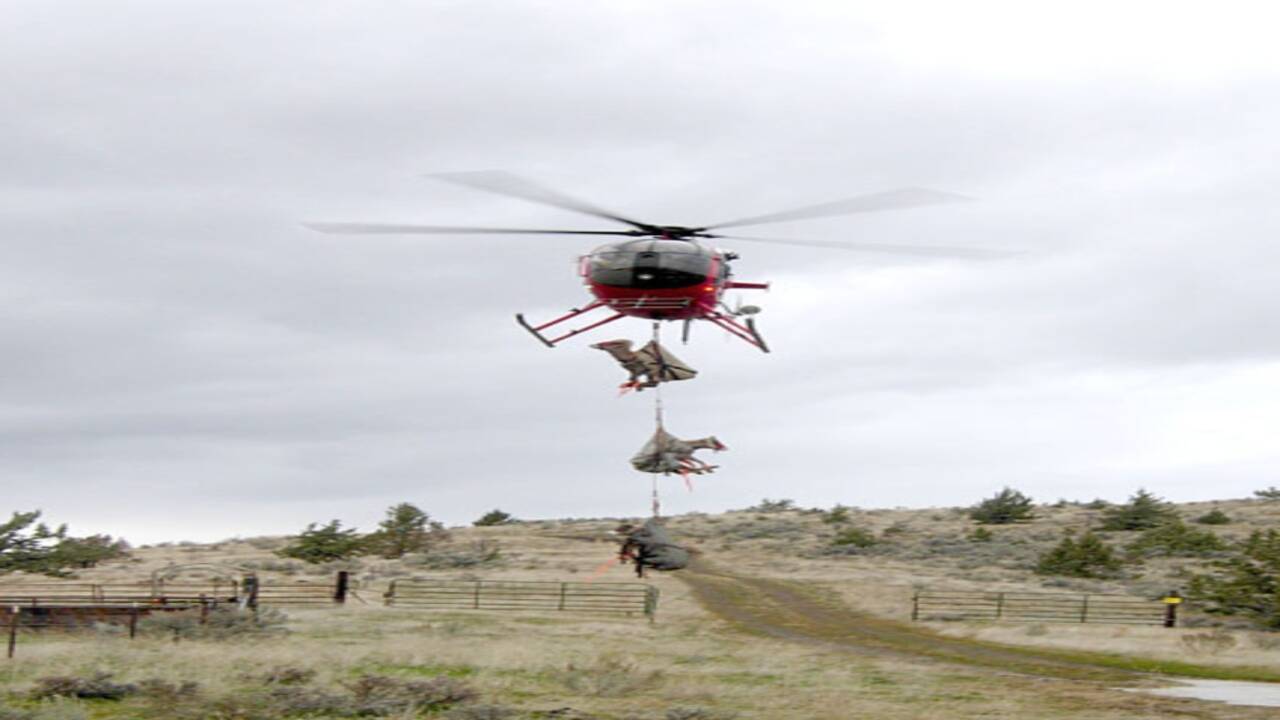
Wildlife biologists carried out one of Oregon's largest bighorn sheep restoration efforts in the basalt canyons and sagebrush plateaus of southern Oregon. Using helicopters fitted with specialised net guns, capture teams safely restrained wild California bighorn sheep on remote cliffs before transporting them to new habitats. The operation was part of a long-term conservation programme to return the species to the Klamath River Canyon, where it had disappeared more than 70 years earlier because of overhunting and disease.
Get breaking news anytime, anywhere. Download the TOI app now!
According to the U.S. Fish and Wildlife Service , California bighorn sheep once ranged across the rimrock canyons and volcanic plateaus of the Pacific Northwest. However, as unregulated hunting intensified throughout the late nineteenth and early twentieth centuries, local populations plummeted rapidly. The crisis was further compounded by the introduction of domestic sheep, which carried deadly bacterial pathogens into wild herds. Lacking natural immunity to these diseases, native bighorn populations declined sharply across the region. By the 1940s, native California bighorns had disappeared from Oregon, leaving habitats like the Klamath River Canyon without native wild ungulates.
To restore the species, state wildlife managers launched a reintroduction initiative in winter 2014. According to the Oregon Department of Fish and Wildlife , field teams captured sixty-one California bighorn sheep during a helicopter-assisted relocation effort. Twenty-six of those animals were selected for release on Bureau of Land Management land in the Klamath River Canyon, marking the species return to the area after more than seventy years.
How airborne capture and relocation restores native herds
A successful bighorn sheep relocation requires precision, speed and specialised veterinary care. Capturing wild ungulates in sheer canyon terrain is inherently dangerous, as traditional ground traps are nearly impossible to deploy across steep cliff faces. Using skilled helicopter pilots and experienced net gunners, capture teams can target individual animals on open ridges without causing exhaustion. After capture, crews secure the sheep, cover its eyes to reduce stress, assess its condition, collect health samples and fit identification tags or tracking collars before transport.
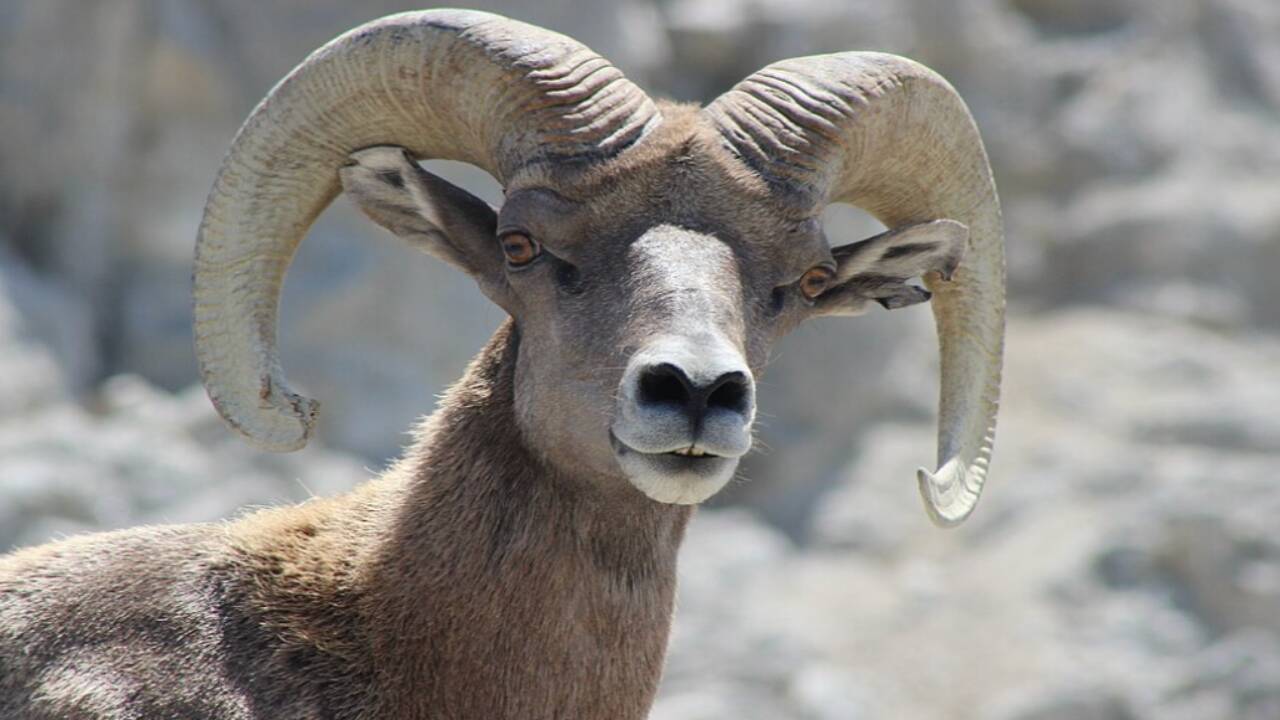
The choice of release site is also important for long-term herd survival. Biologists selected the Klamath River Canyon specifically because its vertical basalt cliffs, open grasslands, and reliable water sources provide ideal habitat for California bighorn sheep. Bighorn sheep rely on open terrain where they can detect predators early and quickly escape onto steep slopes. These natural features make the Klamath River Canyon one of the species' most suitable historic habitats. By releasing the 26 founder sheep into rimrock habitat with reliable freshwater access, researchers gave the new herd a strong chance to adapt, reproduce and expand into neighbouring canyon corridors.
Why bighorn restoration matters for ecosystem resilience
The return of California bighorn sheep to the Klamath River Canyon may benefit broader ecosystem health. As herbivores, bighorns help shape native vegetation patterns by grazing on canyon grasses and dispersing seeds across high-elevation plateaus. Their presence can help restore food-web dynamics by supporting predators and returning nutrients to the soil. According to a study published in Restoration Ecology and archived by the U.S. Geological Survey , establishing multiple founder herds across a species' historical range can reduce the risk that a single disease outbreak will affect the entire population.
Modern bighorn management depends on cooperation between government agencies, private landowners and conservation organisations. To protect newly translocated herds, wildlife managers maintain separation between wild bighorns and domestic livestock grazing allotments to reduce the risk of disease transmission. They also use aerial surveys and radio telemetry to assess survival, reproduction, habitat use and population growth over time. The project demonstrates how coordinated habitat management, disease prevention and carefully planned translocations can help restore native wildlife to parts of their historic range.