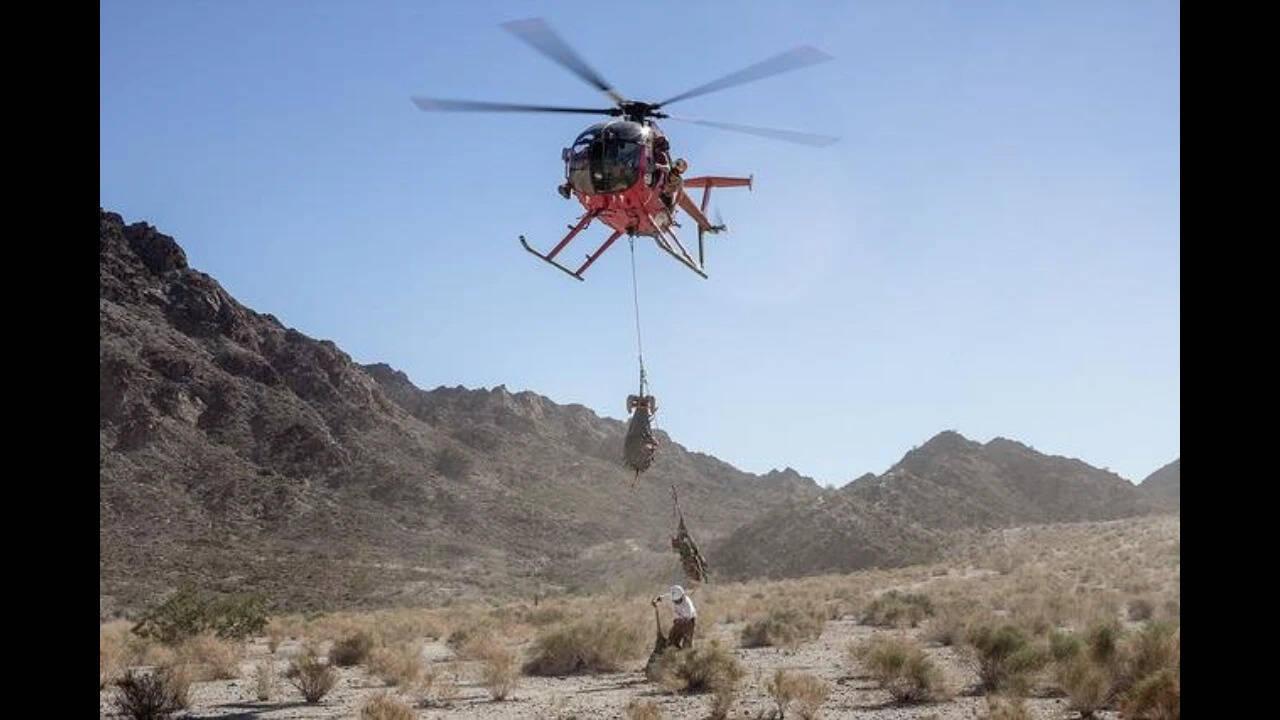
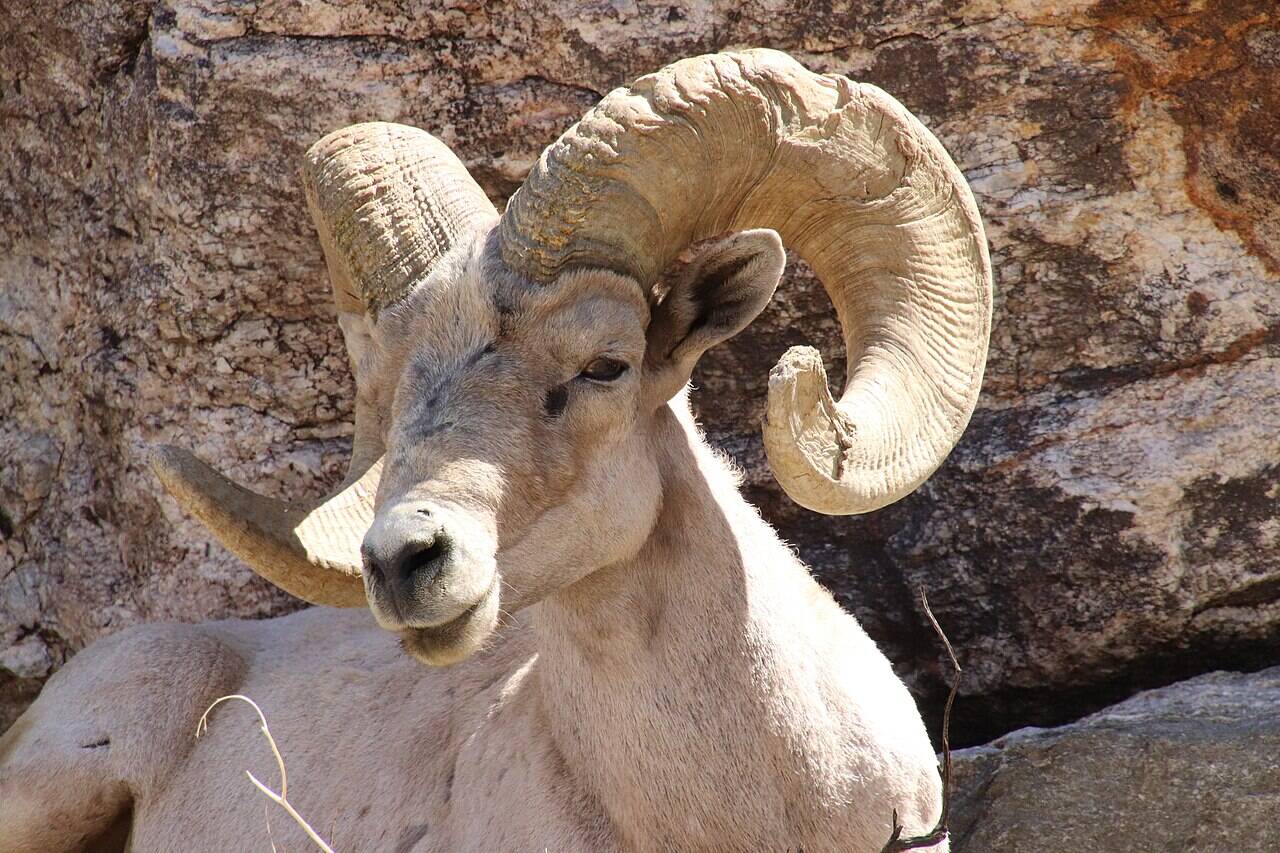
Thriving amidst the mountainous and arid environment of the Mojave Desert in California, desert bighorn sheep have become used to the high temperatures, tough terrain, and water scarcity. Because they are so well adapted to desert life, they have become an important species for wildlife researchers.
Get breaking news anytime, anywhere. Download the TOI app now!
However, in 2013, researchers began tracking a different kind of challenge. A respiratory disease outbreak among desert bighorn sheep in and around the Mojave National Preserve raised concerns after sick animals were found in more than one location. What began as a local health issue soon became a wider investigation into how diseases move through wildlife populations separated by vast desert landscapes.
The research paper , Updates on respiratory disease affecting desert bighorn sheep in and near Mojave National Preserve, reported on the disease and the monitoring used to track its spread. The researchers observed respiratory disease in bighorn sheep at Old Dad Peak in Mojave National Preserve in 2013, and later found evidence of the disease in another population more than 30 km away in the Marble Mountains.
Spread of the disease in the Mojave landscape
The findings highlighted the challenge of tracking and managing disease across separated bighorn sheep populations. Desert bighorn sheep can be isolated from each other due to the rough landscape, highways, and expanses of deserts; however, such features cannot isolate them completely.
According to the study, the outbreak was associated with Mycoplasma ovipneumoniae , a bacterium linked to respiratory disease in bighorn sheep. The pathogen has been studied because of its connection with pneumonia outbreaks, particularly when infections become established within wild sheep populations. The researchers also noted that respiratory disease in bighorn sheep can involve interactions between different infectious agents, meaning the severity of illness may depend on several factors.
After the first cases were documented, researchers widened their surveillance to nearby mountain ranges. The study reports that about two months later, sick bighorn sheep were identified in another population, suggesting that the outbreak had extended beyond the area where it was first detected. This prompted scientists to investigate how the disease was moving across the landscape.
The researchers used field monitoring, animal sampling and genetic testing to investigate the outbreak. By examining biological samples collected from sheep, scientists were able to identify evidence of the pathogen and compare samples from different locations. This helped them understand whether infections found in separate populations were connected.
The study also highlighted the importance of tracking animal movements. Desert bighorn sheep often travel between mountain ranges in search of food, water and mates. During these movements, individuals from different groups may come into contact with each other, creating opportunities for diseases to spread. Water availability was another important factor in wildlife monitoring. In deserts, sources of water become important congregation areas for the animals. The risk of contact rises when many animals use the same places, which can increase disease transmission.
Why the outbreak mattered for conservation
Beyond the sick and dead sheep that were found, researchers also had to consider the long-term impact of respiratory disease on population dynamics. In the case of animals living in separate small groups, such issues become especially relevant. The study observed concerns around lamb survival in affected areas. Young animals can be particularly vulnerable during disease outbreaks, and lower survival rates among lambs may affect whether populations can maintain their numbers over time. The researchers continued monitoring to better understand the relationship between disease exposure and population trends.
Studying illness in wild animals is challenging because symptoms are not always easy to detect. Unlike domestic animals, wildlife cannot be observed continuously, and sick individuals may move across large areas before signs become visible. Field teams therefore rely on a combination of direct observations, sample collection and long-term population monitoring.
The Mojave outbreak also showed why wildlife health has become an important part of conservation planning. Protecting animals requires more than maintaining suitable habitats. Scientists must also understand emerging diseases, animal movements and the conditions that allow infections to spread. Rather than showing that the outbreak completely changed the species’ future, the research highlighted potential risks and the need for continued monitoring. By tracking affected animals and how the pathogen moved between locations, the scientists learned more about the challenges these mountain-dwelling sheep face. The study shows how wildlife disease research can inform conservation efforts.