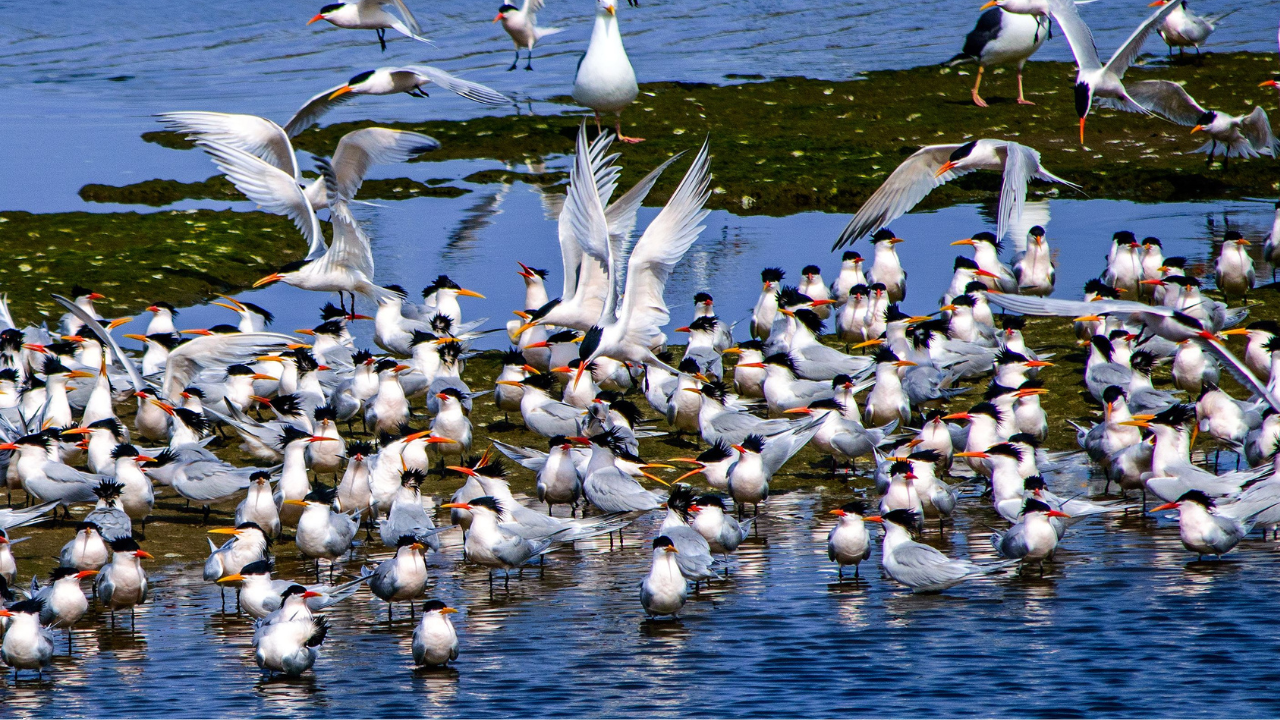
Imagine a bare, windswept island just off the eastern coast of China: no vegetation, no shelter, nothing, not even a bird in sight. In 2013, a small team of scientists quietly covered it with plastic decoys and hidden speakers, then waited. According to a study published in the journal Biological Conservation , that improvised set-up was meant to help one of the rarest seabirds in existence: the Chinese crested tern. The results of the experiment were rather unexpected, even for researchers who planned it.
Get breaking news anytime, anywhere. Download the TOI app now!
A bird that had already vanished once
For decades, the Chinese crested tern was thought to be extinct. In 2013, Oregon State University reported that the species disappeared from view from the 1930s until 2000, when a few birds were spotted on the Matsu Islands in China. But the return was not going well. Its main breeding colony was abandoned in 2007 following persistent egg poaching by fishermen, the Biological Conservation study notes. When the restoration project began in 2013, researchers from Oregon State University estimated the total global population at no more than 50 birds.
Building a fake colony from scratch
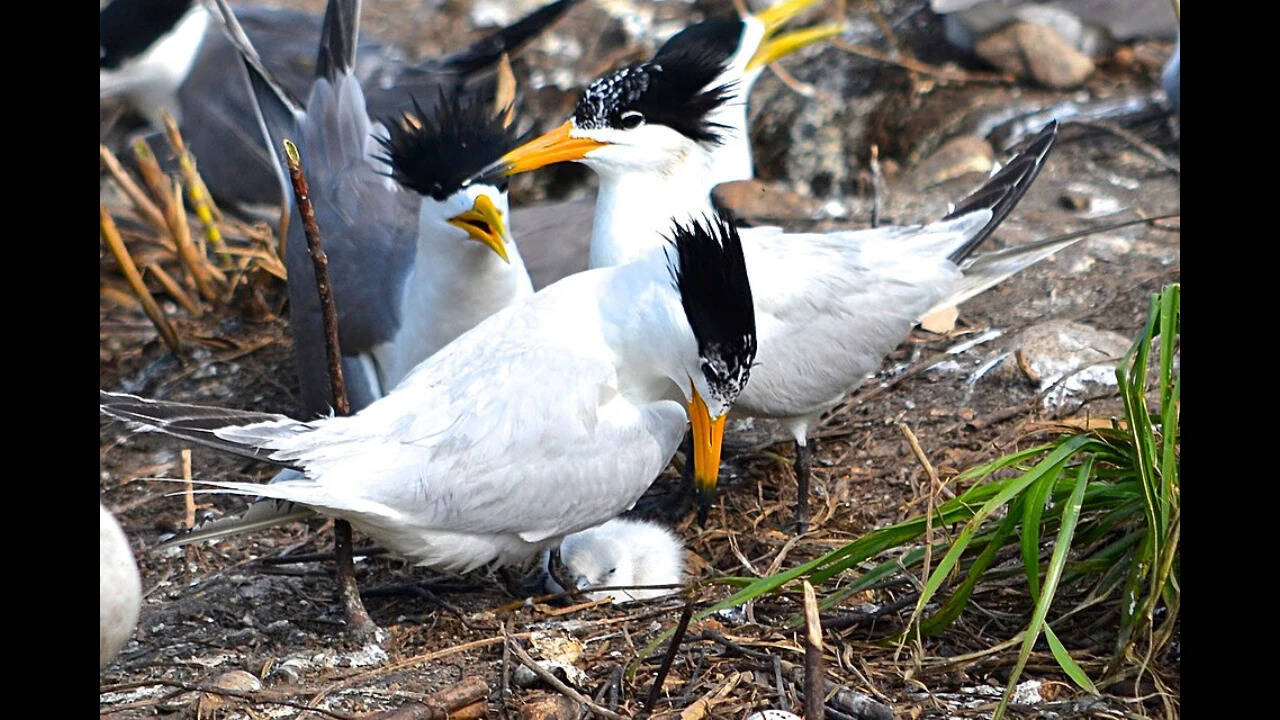
Scientists from the Zhejiang Museum of Natural History, Oregon State University, and BirdLife International selected Tiedun Dao, an uninhabited island in the Jiushan Islands, close to where the terns’ colony once was. The team first used rodenticide to rid the island of rats, then cut back the vegetation across a plot roughly 60 metres by 200 metres, the Biological Conservation study explains. Researchers placed 350 decoys in the shape of the more common greater crested tern and 50 of the rare Chinese crested tern on the cleared ground. They also placed three solar-powered sound systems that played recorded tern calls. This technique, called social attraction, hinges on a simple instinct: wild birds seem to trust a place where other birds appear to be nesting.
The moment no one expected
Even the scientists were wary. Dan Roby, the Oregon State University wildlife ecologist who worked on the project, said in the university's own account that the team expected it would be years before a real colony formed. It did not. In July 2013, a few greater crested terns were observed flying over the decoys. Within a few weeks, the same account reports 2,600 greater crested terns had gathered on the island, hundreds of pairs incubating eggs. Then came the real surprise: 19 adult Chinese crested terns showed up too, with at least two pairs nesting, the largest single gathering of the species recorded anywhere since its rediscovery in 2000. That year, despite typhoons and a late start to the season, more than 600 greater crested tern chicks and at least one Chinese crested tern chick survived to fledge. It was a milestone for modern-day conservation in the region, said Simba Chan, BirdLife’s senior Asia conservation officer.
A decade of proof it worked
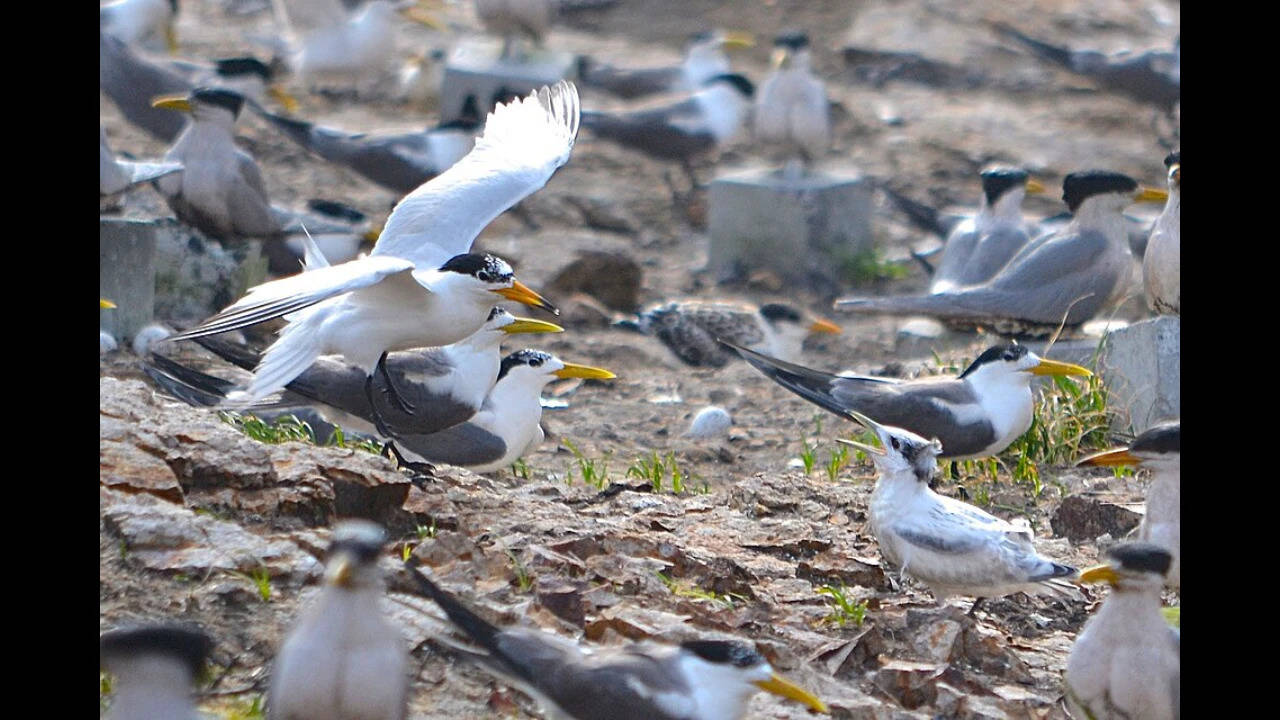
But the project was not finished. A 2026 study, ‘ Decadal banding efforts pay off: Assessing Chinese Crested Tern conservation through resighting data ,’ published in the journal Avian Research, looked at ten years of banding data collected from 2015 to 2024 and found that tern chicks on these islands had a 63.9 per cent survival rate through their first two years, rising to more than 78 per cent after that point. The same research states that no egg poaching has been reported at the site since the restoration project began, and the population has been slowly increasing since then. None of this means the Chinese crested tern is out of danger. It is still critically endangered, and researchers say this project is just one step in a longer recovery, not a finished success story.
Why it matters for a generation worried about extinction
For many young readers, conservation news often comes across as a string of losses: melting glaciers, bleached reefs, vanishing habitats. This story is the other way around. It didn't take a big budget or a dramatic breakthrough, just a careful reading of what these birds actually do, a few hundred plastic decoys, a couple of solar-powered speakers, and researchers willing to sit on a barren island and wait. In one season, a place that had no bird became home to thousands of them.
It’s a strange little reminder that recovery is still possible, even for a species once thought to be lost. Sometimes saving a species starts with something as simple as persuading it that it already has company.