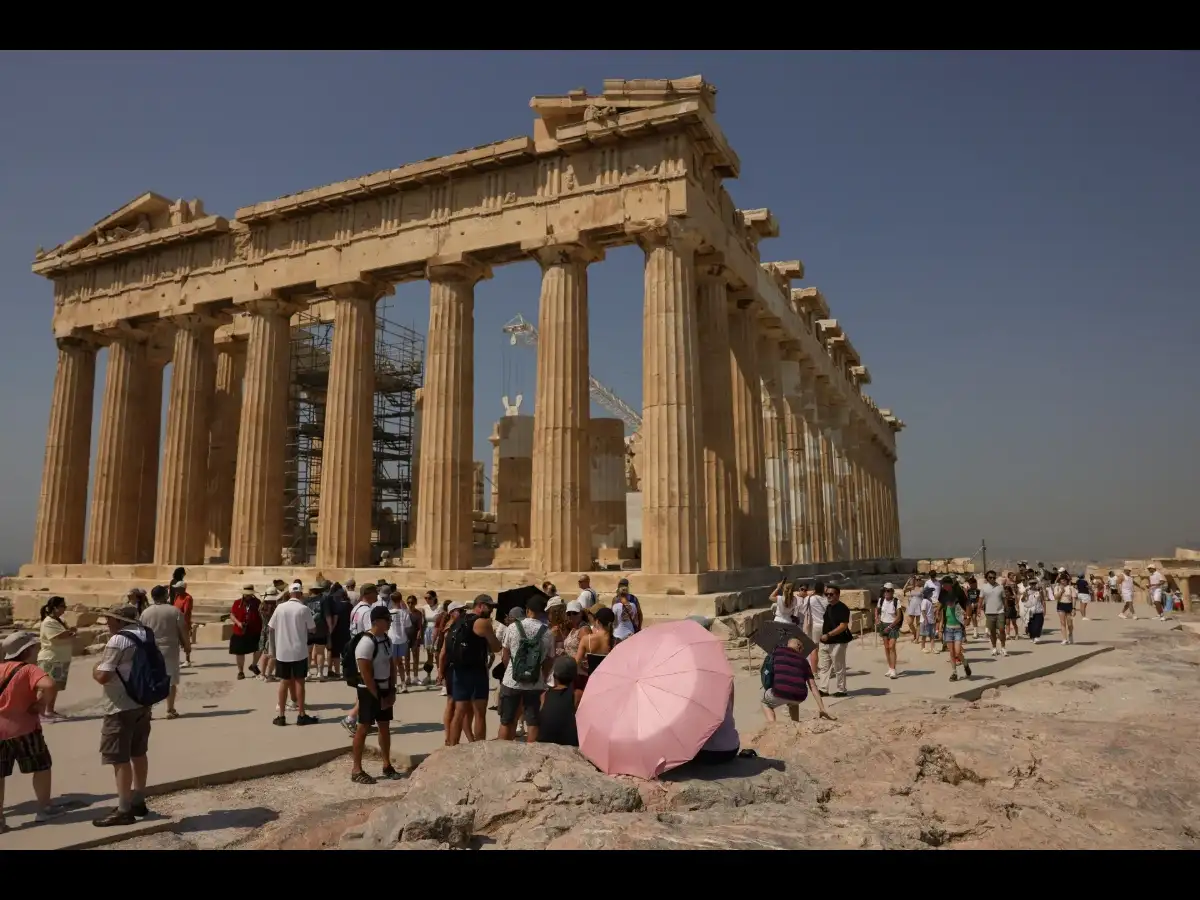
For centuries, archaeologists have debated why the Ancient Greeks built their temples in particular locations. Research published in 2009 offered fresh clues, suggesting that everything from the rising sun to earthquake fault lines and even the soil beneath the ground may have shaped those choices. Together, the findings paint a richer picture of how religion, nature and landscape were deeply connected in the ancient Greek world.
Ancient Greeks chose temple sites based on the ground beneath them
For generations, historians have tried to understand why the Ancient Greeks selected certain places for their temples. While religion undoubtedly played the central role, research published in 2009 suggested that astronomy, geology and even the soil beneath people's feet may all have influenced these remarkable structures, as per reports by Science Daily, History News Network and Atlas Obscura.
According to research from the University of Leicester, many Greek temples in Sicily appear to have been deliberately aligned with the rising sun. The study, published in PLoS ONE, was led by Dr. Alun Salt from the University's Centre for Interdisciplinary Science.