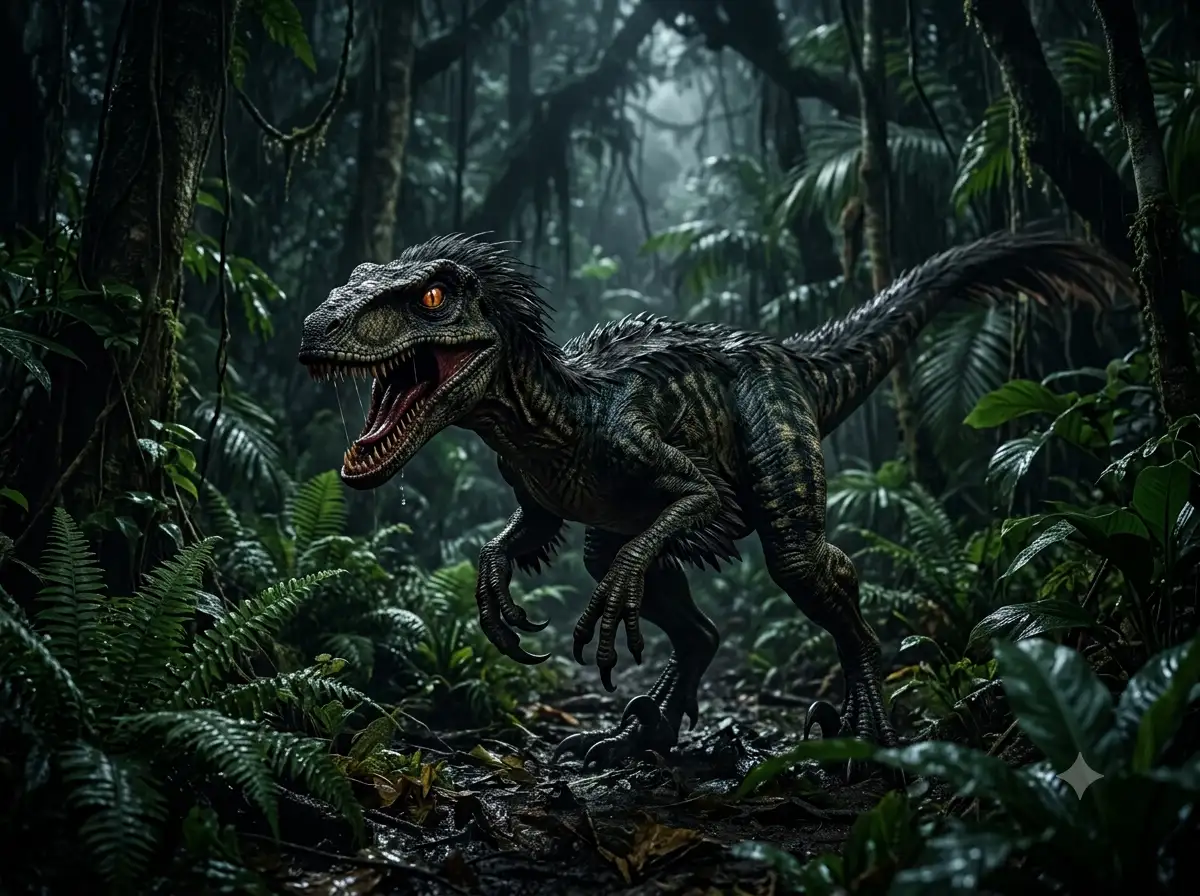
In 1996, a hidden dinosaur in Patagonia became the Southern Hemisphere's first known raptor that roamed 90 million years ago , changing what scientists knew about the history of raptor dinosaurs. Fossils discovered in Patagonia, located in southern Argentina, belonged to Neuquenraptor argentinus, a meat-eating dinosaur that lived during the Late Cretaceous period. The fossil remains became the first confirmed evidence of a raptor from the Southern Hemisphere. Researchers studied the fossils for years before confirming their importance. The discovery also helped scientists understand how ancient continents were connected and how dinosaur ancestors spread across Earth before the continents separated.
In 1996, a hidden dinosaur in Patagonia became the Southern Hemisphere's first known raptor that roamed 90 million years ago
A fossil discovery made in Patagonia in Argentina gave scientists new information about the history of raptor dinosaurs. The remains belonged to Neuquenraptor argentinus, making it the first confirmed raptor dinosaur discovered in the Southern Hemisphere.
Before this discovery, every confirmed raptor species had been found only in regions that were once part of the Northern Hemisphere. The Patagonia fossil changed that understanding. Scientists said the discovery also provided evidence about how raptors spread across Earth long before the continents reached their present positions.
Fossils were discovered in Patagonia in 1996
Researchers discovered the fossils in 1996 in Patagonia, located at the southern end of South America.
The fossil remains included several important parts of the dinosaur's skeleton, such as:
- Fragments of vertebrae
- Parts of the ribs
- Sections of the legs
- A left rear foot
- The well-known curved raptor claw
The claw helped researchers identify the dinosaur as a member of the raptor family. Raptors are known for their curved claws that were used while hunting prey. Scientists continued examining the fossils for several years before reaching their conclusions.
The dinosaur lived about 90 million years ago
Researchers determined that Neuquenraptor argentinus lived around 90 million years ago during the Late Cretaceous Period.
The dinosaur measured about:
- Around six feet from head to tail
- Equipped with a sharp curved claw
- A meat-eating dinosaur that hunted prey
The curved claw remains one of the defining features of raptor dinosaurs.
Discovery changes the history of raptors
Before the Patagonia fossil was confirmed, scientists believed all verified raptor species lived only on land that belonged to the northern supercontinent called Laurasia.
The discovery showed that at least one confirmed raptor also lived on Gondwana, the southern supercontinent. This finding changed the known geographic range of raptors during the Cretaceous period.
An ancient connection
During the Late Cretaceous period, Earth looked very different from today. Scientists explained that two giant supercontinents existed at that time.
Laurasia later separated into:
- North America
- Europe
- Asia
Gondwana later became:
- South America
- Africa
- Australia
- Antarctica
Since Neuquenraptor was discovered in Patagonia, researchers concluded that it lived on Gondwana. That was important because every other verified raptor species had previously been discovered on land that once formed Laurasia.
Researchers explain why the fossil surprised them
Diego Pol, a postdoctoral researcher at Ohio State University, said the geographic location made the discovery unexpected. According to Pol, scientists did not expect to find a confirmed raptor in Patagonia because all previously known raptors came from the Northern Hemisphere. He explained that researchers recognized the importance of the discovery from the beginning because of where the fossil was found.
The discovery supports the Pangea theory
Scientists believe the discovery also supports the history of Earth's ancient supercontinents. Around 90 million years ago, Gondwana and Laurasia were already separated by oceans. Because raptors appeared on both land masses, researchers suggested that their common ancestor must have lived before the continents separated.
They believe those ancestors likely lived on Pangea, the ancient supercontinent that existed before Gondwana and Laurasia formed. Researchers estimate that this shared ancestry dates back to about 150 million years ago during the Late Jurassic period.
What scientists knew before this discovery?
Before Neuquenraptor argentinus was confirmed, researchers had reached two conclusions:
- All known verified raptor species came from the Northern Hemisphere.
- Those fossils dated to periods after Gondwana and Laurasia had already separated.
The Patagonia fossil challenged both ideas by showing that raptors also existed in the Southern Hemisphere.
Museum and journal played key roles
The fossil research involved the Argentine Museum of Natural History. The scientific findings were published in the journal Nature, allowing researchers around the world to review the evidence and study the conclusions.
Understanding the breakup of Pangea
Scientists explain that Pangea began breaking apart about 225 to 200 million years ago.
As the landmass separated, it formed:
- Laurasia in the north
- Gondwana in the south
Millions of years later, these supercontinents separated further to create today's continents. The discovery of Neuquenraptor argentinus supports the idea that dinosaur ancestors spread across Pangea before this breakup occurred.
Why this discovery remains important?
The Patagonia fossil continues to be an important discovery in dinosaur research because it expanded the known range of raptors beyond the Northern Hemisphere. It also provided evidence supporting the idea that ancient dinosaur ancestors existed before Earth's continents separated into the landmasses seen today. The discovery linked fossil evidence with the history of continental movement, helping scientists better understand both dinosaur evolution and Earth's geological history.