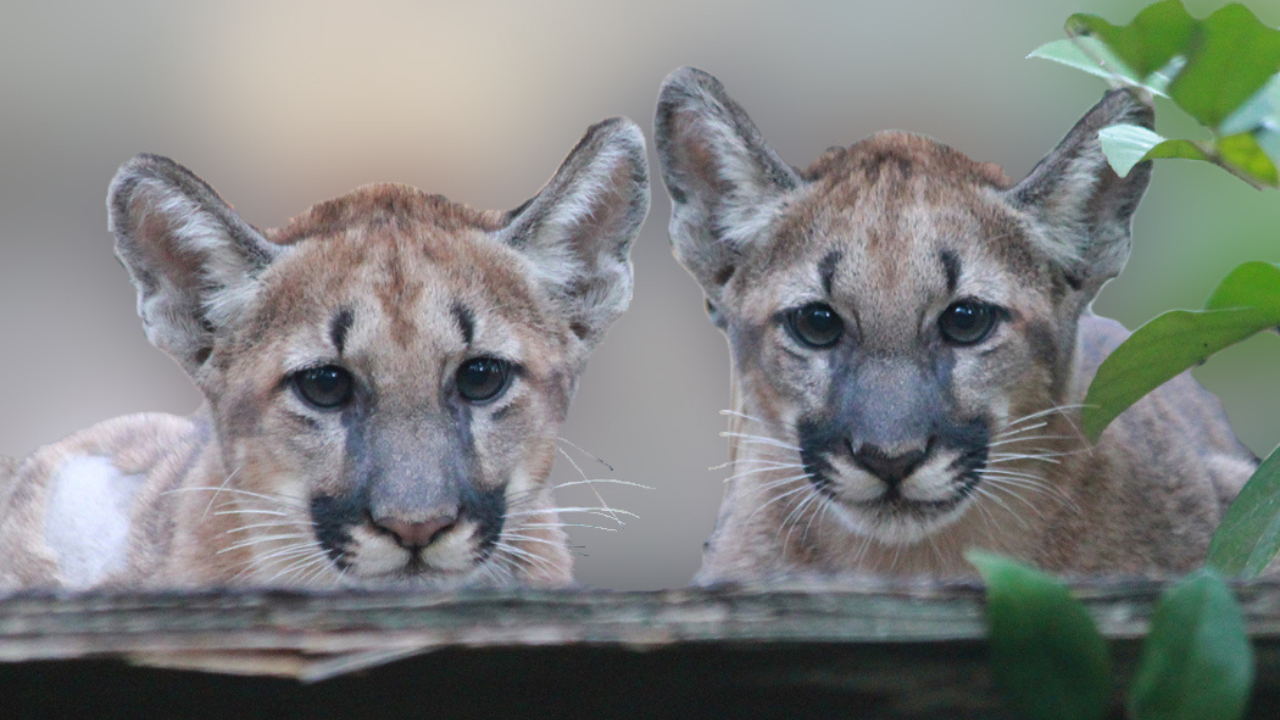
By the early 1990s, the Florida panther stood on the brink of extinction. Fewer than 30 animals remained in the wild, isolated from other cougar populations for decades as development, highways, and hunting shrank their range. The consequences extended beyond dwindling numbers. Many panthers suffered from severe inbreeding, displaying kinked tails, heart defects, undescended testicles, and poor reproductive success that threatened the future of the subspecies. Faced with the possibility of losing Florida’s official state animal forever, wildlife managers approved an unusual conservation experiment. In 1995, they released eight female pumas from Texas into southern Florida, hoping that fresh genetic diversity would rescue the struggling population. Three decades later, new genomic research is revealing exactly why that bold decision worked.
Get breaking news anytime, anywhere. Download the TOI app now!
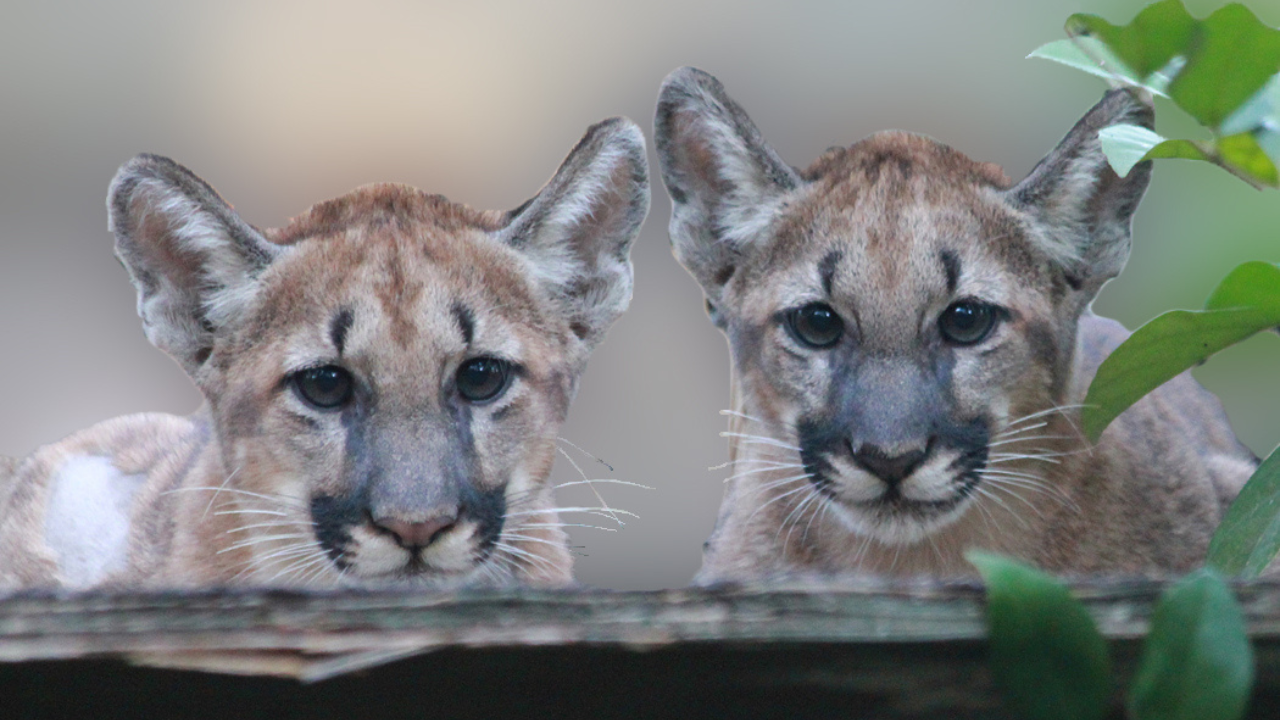
Fresh genes revived the population without replacing its identity
At the time, the plan sparked debate among conservationists, some of whom feared introducing Texas cougars would dilute the Florida panther’s unique genetic identity. Instead, the opposite appears to have happened. According to a new genomic study , the Texas animals mixed with the remaining panthers without overwhelming their DNA. Researchers found no evidence that original Florida genetic material had been systematically replaced, ruling out the feared “genetic swamping” scenario.
Instead, the study suggests the rescue succeeded because breeding between unrelated animals reduced harmful inbreeding. As genetic diversity increased, panthers became less likely to inherit identical copies of damaging recessive genes, improving overall health even though the total number of harmful genetic variants changed little. Computer simulations also showed that while some fitness benefits naturally decline over generations, the increase in genetic diversity persists much longer than if no rescue had occurred.
From fewer than 30 panthers to a recovering population
The genetic rescue was accompanied by habitat protection, intensive monitoring and careful wildlife management, but conservation agencies widely regard the Texas translocation as the turning point in the species’ recovery. Today, the Florida Fish and Wildlife Conservation Commission estimates that between 120 and 230 adult panthers now roam south Florida, a dramatic increase from the population’s historic low in the early 1990s. Many of the inherited physical abnormalities once associated with severe inbreeding have also become far less common.
The recovery has not eliminated the species’ challenges, since vehicle collisions remain the leading cause of known panther deaths, while habitat fragmentation continues to restrict opportunities for the population to expand naturally. Scientists say maintaining genetic diversity will remain essential as development continues across the state.
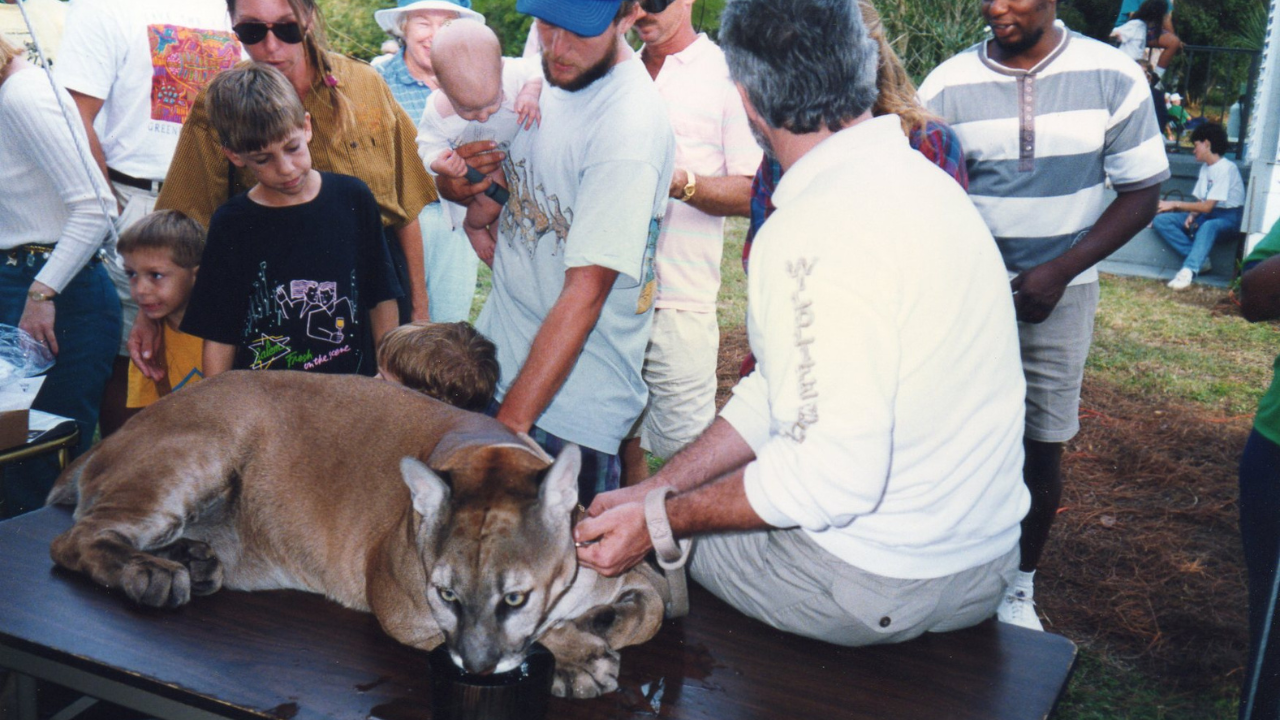
The Florida panther has become a model for conservation worldwide
The success of the Florida panther has turned the project into one of the world’s most frequently cited examples of genetic rescue. Conservation biologists increasingly view carefully managed translocations as a practical tool for helping isolated wildlife populations facing similar problems, from wolves and lynx to endangered birds and reptiles.
Researchers behind the latest study say their findings strengthen the case for using genetic rescue where appropriate because they demonstrate that introducing new genetic material can improve population health without erasing local ancestry. Rather than replacing one population with another, the process helped restore enough genetic diversity for natural selection to continue acting on a healthier population. Nearly 30 years after eight Texas cougars crossed into Florida, their descendants are helping reshape conservation science. What began as a controversial last-ditch effort to save fewer than 30 surviving panthers has become one of the clearest demonstrations that, in some cases, carefully adding new genes can give an endangered species another chance at survival.