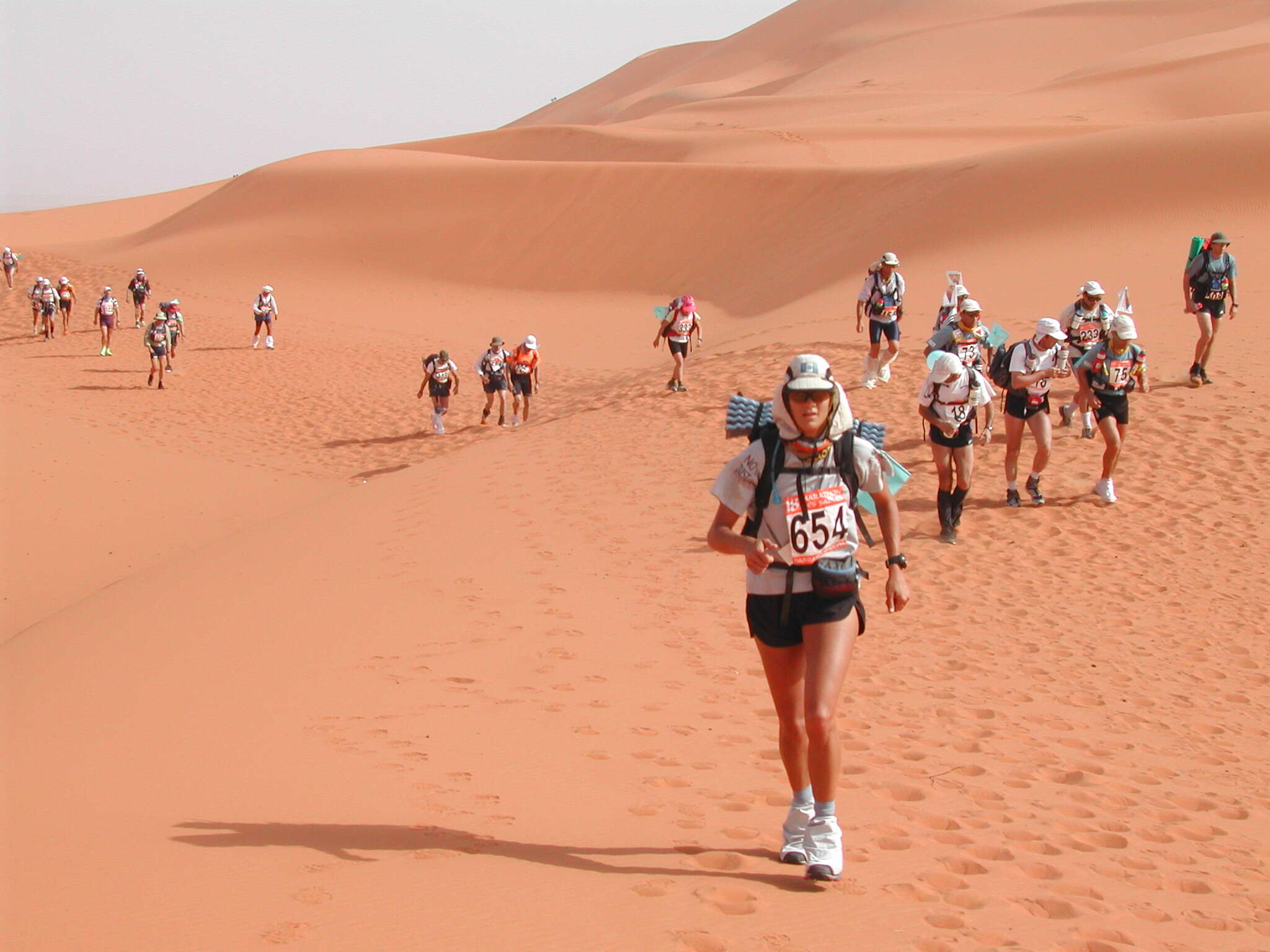
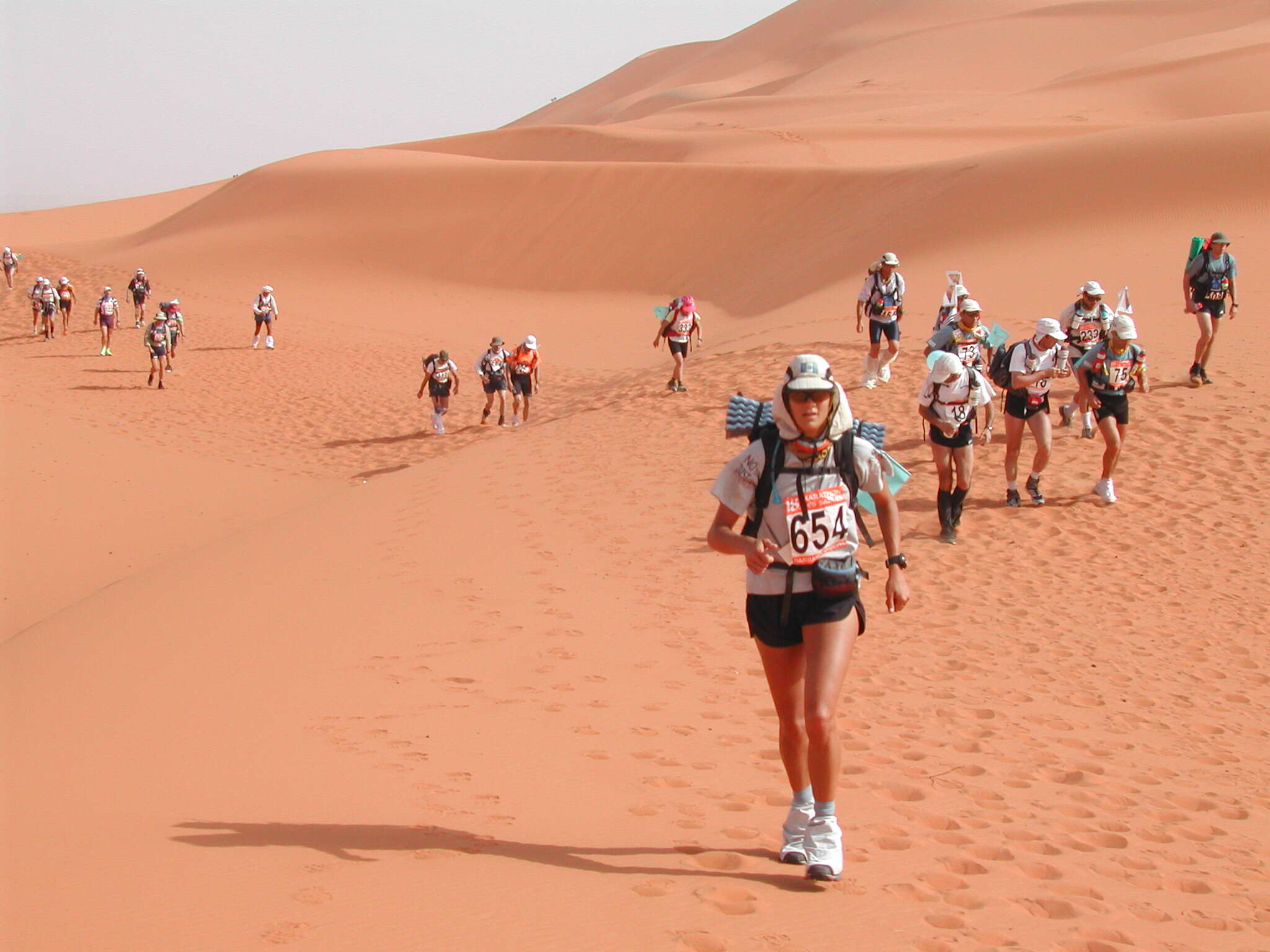
Human endurance can be tested in extreme ways, turning a sporting event into a battle against the elements. The Marathon des Sables is a multiday ultramarathon in which competitors carry their own gear across the Moroccan desert. In 1994, the race became the setting for a survival story that drew international attention. A sudden shift in the weather altered everything for one elite competitor, stranding him in an environment where even a single mistake can be fatal.
Get breaking news anytime, anywhere. Download the TOI app now!
In 1994, Italian ultramarathon runner Mauro Prosperi disappeared during the 155-mile Marathon des Sables after a massive Sahara sandstorm blew him off course; he survived nine days alone by eating bats and drinking his own urine before stumbling into Algeria. This terrifying ordeal and his subsequent fight for life were captured in a feature published by the BBC News Magazine . The account reveals the intense psychological and physical shifts a human must undergo when completely cut off from the modern world.
The BBC feature adds that the Marathon des Sables covers roughly 250km across the Sahara, and that Prosperi’s sandstorm lasted about seven hours before every landmark was erased. It also notes that he spent the first night sleeping in a marabout after spotting bats, then later used the organiser-issued flare and his Italian flag in a frantic bid to attract rescue.
Seeking shelter in a changing landscape
According to Prosperi’s recollection in the BBC feature, the disaster began on the fourth day of the multiday race. A violent sandstorm struck the runners, obliterating the trail and reducing visibility to zero. Rather than attempting to run blindly through the tempest, the athlete made the choice to find temporary shelter, but the swirling sand quickly transformed the surrounding dunes and erased every known geographic reference point. When the storm finally settled after eight long hours, he found himself utterly isolated in a radically altered wilderness.
Realising that his water rations were depleted, the runner had to rely on desperate measures to prevent fatal dehydration. He remembered a wartime survival story his grandfather had told him, which led him to save his urine in a spare container. His survival journey took a dramatic turn when he stumbled upon a marabout, a small shrine used by passing nomads. While climbing to the roof of the small structure to raise a signalling flag, he discovered a colony of bats clinging to the ceiling.
Squeezing moisture from the shadows
His extreme methodology for staying alive inside the tomb was further explored in a retrospective report published by The Guardian . The narrative details how the runner overcame any sense of natural revulsion to secure immediate sustenance. He captured the bats directly from the walls, removing their heads and cutting up their internal organs with a pocket knife to eat them raw. This strategy gave him both nutrients and moisture, helping him survive when search planes repeatedly failed to spot his signals.
The Guardian says Prosperi was lost for nine and a half days, during which he drifted between fear and what he described as a “deep, consuming serenity.” It also details that he climbed into an empty marabout on his second day, buried the bat remains afterwards, and later returned to the site with a TV crew to recover the tiny skeletons.
The Guardian article notes that after a crisis inside the shrine, the runner picked up his compass and resumed walking across the desert during the cooler hours of morning and evening. He sustained himself over the next few days by eating small beetles, raw lizards, and wild snakes found along dried riverbeds, while occasionally extracting moisture from desert plants. On the eighth day of his disappearance, he found a small puddle at an oasis, allowing him to rest and ease the swelling in his throat before continuing.
He eventually followed fresh animal droppings to a young girl minding a herd of goats. The local nomadic family took him in, wrapped him in blankets, and alerted the local authorities. Upon arriving at a clinic, medical professionals informed the runner that he had crossed an international border into Algeria, having drifted more than one hundred and eighty miles off his original course. His recovery took nearly two years, and the episode became a notable example of human resilience.