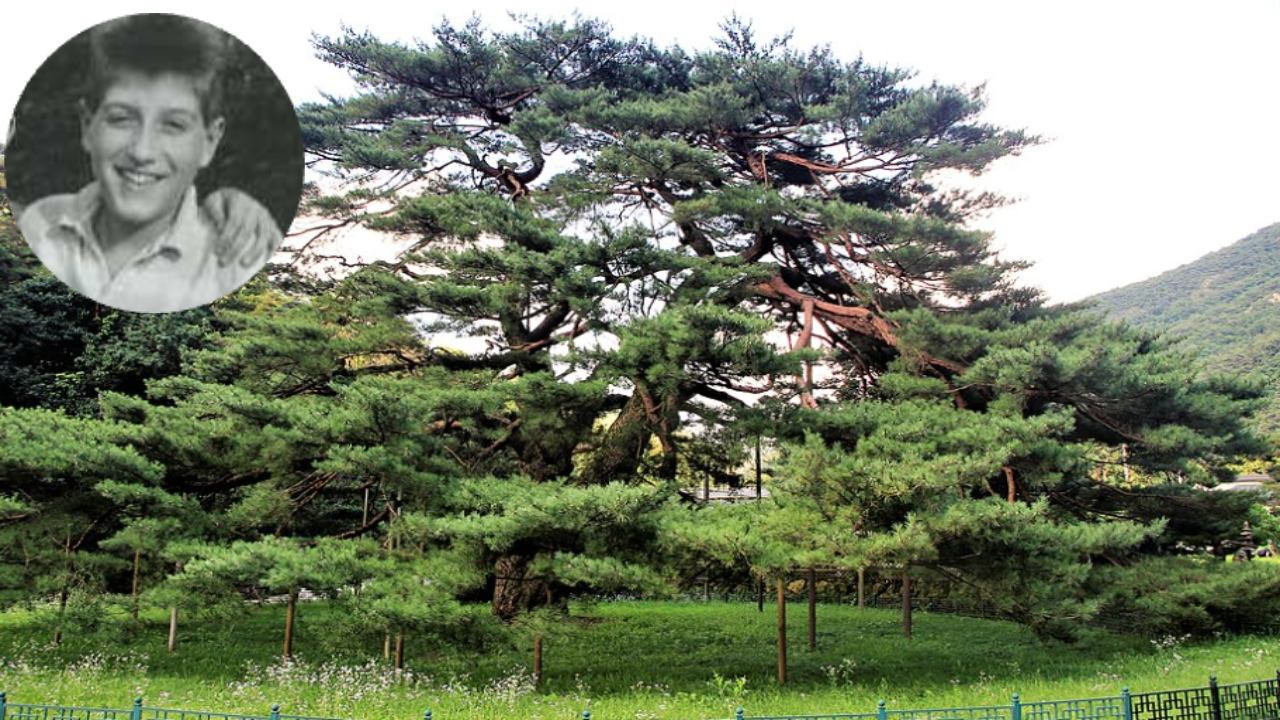
In May 1993, Jeanne White travelled to Israel to plant a single pine tree in her son Ryan White's memory, becoming part of a larger memorial forest for people who had died from AIDS. Ryan had haemophilia and contracted HIV through contaminated blood-clotting treatment. He died from AIDS-related complications in April 1990 at the age of 18. Three years later, his mother planted the first tree in an AIDS memorial forest in Israel's northern Negev. According to the Jewish Telegraphic Agency's report on the ceremony , Jeanne hoped the forest would give families and friends of people who had died from AIDS a place to express their grief while creating something living in their memory.
Get breaking news anytime, anywhere. Download the TOI app now!
Jeanne, friends, Israeli delegates, and American AIDS campaigners attended the event, which was held close to Lahav. She talked about trees as symbols of life and planted a one-year-old pine. Following the event, a healing circle was formed in which attendees read the names of those who had passed away from AIDS while holding hands. The forest was broader than a memorial to Ryan alone, giving families and friends a place to remember people who had died from AIDS during a period marked by fear, stigma and misinformation.
Ryan White's legacy and the memorial forest
Long before his mother planted the tree, Ryan White had become a public figure. He was banned from attending courses at his school in Kokomo, Indiana, in 1985, originally due to concerns by parents and officials about HIV transmission. Ryan and his family appealed the judgment and eventually earned the right to return to school. The disagreement became a national story and demonstrated how little many people knew about HIV and AIDS at that time. Ryan became an AIDS education advocate, speaking out about the disease and fighting the notion that persons living with HIV should be scared or ostracised. The Indiana Historical Bureau chronicles how Ryan White’s experiences made him a national advocate. The White family eventually left Kokomo after facing hostility and moved to Indianapolis, where Ryan was welcomed at a new school. He continued appearing in public and speaking about AIDS even as his health deteriorated. He died on April 8, 1990, only weeks before his high school graduation.
By the time Jeanne travelled to Israel, Ryan's story had come to represent more than one family's experience. His struggle had highlighted both the medical dangers of AIDS and the discrimination created by fear and misinformation. The memorial forest linked his story to thousands of others affected by the epidemic. The Jewish National Fund planned to plant and maintain the trees, turning a single memorial tree into a much larger living landscape. The project was also partly inspired by the AIDS Memorial Grove in San Francisco's Golden Gate Park. Thousands of kilometres separated the two memorials, but they served a similar purpose: giving families and communities a place to remember people who had died from AIDS. Instead of concentrating remembrance in one monument, the forests used living trees to represent individual lives and create a space that could continue growing.
A living memorial for families who had lost loved ones
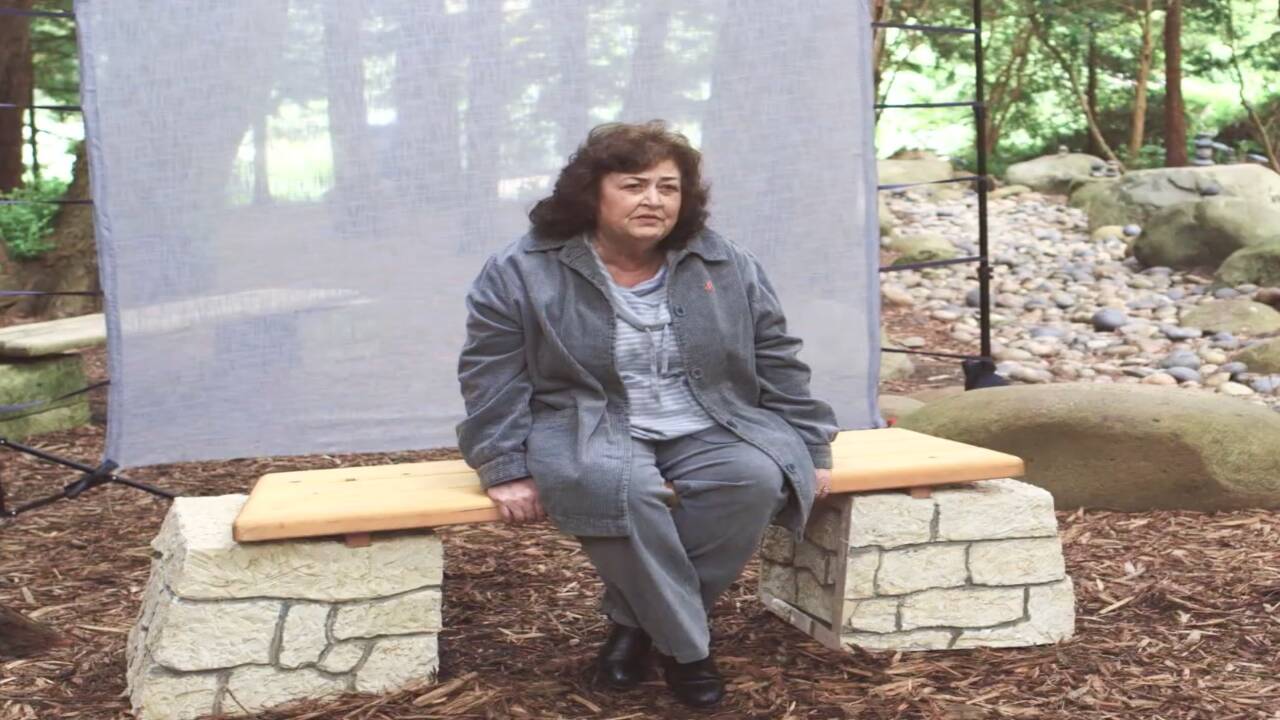
For Jeanne, the ceremony carried a deeply personal meaning. She had spent years caring for Ryan and confronting the prejudice surrounding his illness, and she was now standing in the Holy Land planting a tree in his name. The ceremony took place around Mother's Day, making the moment even more emotional. She spoke about missing her son while also hoping that other families would use the forest to express their own grief. It could grow, change with the seasons and become part of the landscape.Each tree could stand for one person, while the entire forest could represent the wider community affected by AIDS.
Ryan's legacy later extended into public policy. Congress passed the Ryan White CARE Act after his death, creating federal support for people living with HIV and AIDS. But his memory also continued through smaller, more personal acts of remembrance. The National AIDS Memorial's account of Jeanne White-Ginder describes how Jeanne and Ryan became important voices during an era when fear, stigma and discrimination shaped public attitudes toward HIV. Ryan’s life showed how one teenager could confront stigma and influence public opinion, and his mother’s tree planting carried that legacy forward. Near Lahav, a single sapling became the beginning of a much larger memorial, showing how a family's loss could be transformed into something living, lasting and shared with others.