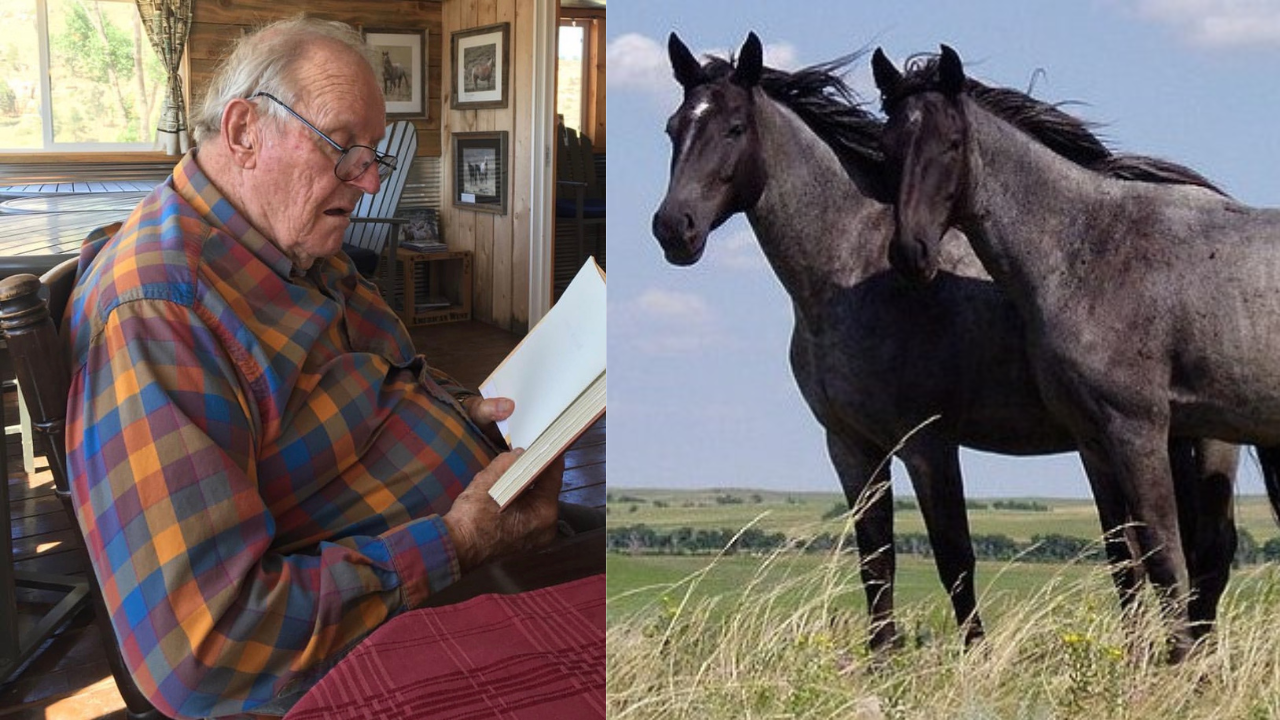
Rancher and author Dayton O. Hyde saw hundreds of wild horses in a Bureau of Land Management feedlot in Nevada in 1986. The animals had been removed from public rangelands and were among horses the federal adoption program had not placed in private homes. Hyde's response was to imagine a large tract of land where unwanted mustangs could live in herds rather than remain in holding facilities. Two years later, that idea became the Black Hills Wild Horse Sanctuary in southwestern South Dakota, and covered 11,000 acres.
Get breaking news anytime, anywhere. Download the TOI app now!
The account of Hyde's 1986 visit appears in a report by South Dakota Public Broadcasting , which says the sight of the horses in the Nevada feedlot gave him the idea for a sanctuary. The report also states that Hyde founded the Institute of Range and the American Mustang in 1988 and secured land along the Cheyenne River, between Hot Springs and Edgemont, with help from then-Gov. George Mickelson.
Hyde's plan emerged from a broader problem involving the management of wild horses in the American West. Congress had passed the Wild Free-Roaming Horses and Burros Act in 1971, placing responsibility for managing and protecting these animals on federal agencies. The Bureau of Land Management says it must also remove excess animals from public lands when herd numbers threaten the ecological balance of the range. Horses removed from the range can enter adoption and other placement programs, while animals that are not placed may remain in off-range care.
The idea took shape in South Dakota
The Black Hills Wild Horse Sanctuary's account says Hyde traveled to Washington after seeing the horses and petitioned Congress about his proposal. South Dakota Gov. George Mickelson later invited him to inspect a tract of land known as Chilson Canyon in the southern Black Hills. A partnership eventually involved Hyde, the state, the Bureau of Land Management and the South Dakota Community Foundation.
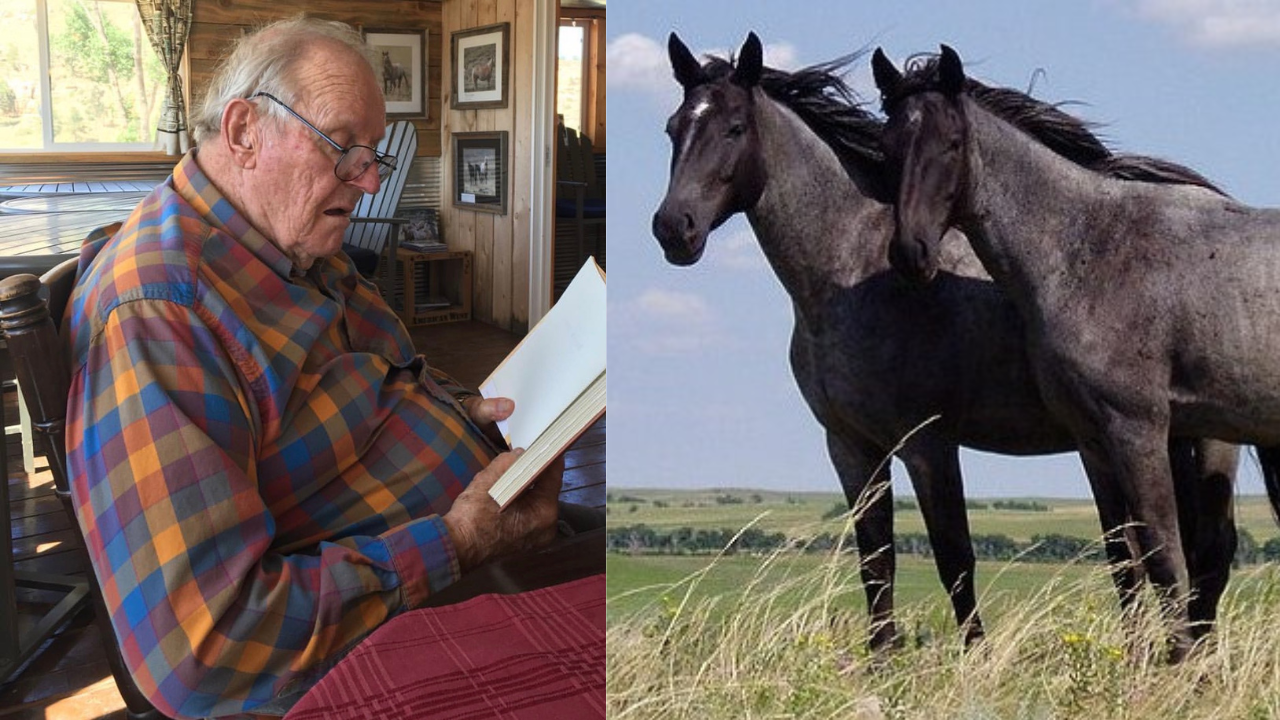
The sanctuary's records describe the project as requiring extensive preparation before the horses could arrive. Fences had to be built across the property, which consisted of rough range country rather than a ready-made horse facility. In the early fall of 1988, the first truckload of mustangs reached the sanctuary. One of the horses in that first group was a two-year-old blue roan filly named Prairie Lark, according to the organization's history .
A refuge for horses that were not adopted
The sanctuary was not established as another federal holding facility; it was designed as a private nonprofit refuge where groups of horses could live within the boundaries of the property. SDPB reported that the Institute of Range and the American Mustang owned the 11,000-acre sanctuary and that it housed mustangs the BLM adoption program had not placed, including older or injured animals.
The BLM's modern Wild Horse and Burro Program uses adoption, sales, transfers and off-range facilities as part of its management system. The agency says its responsibility includes managing herd populations and removing excess animals when necessary to protect the health of public rangelands. Since 1971, it has placed hundreds of thousands of wild horses and burros into private care through adoption and other programs. Hyde's project addressed one part of that larger challenge. Instead of focusing on training a horse for an individual adopter, the sanctuary provided land where groups of mustangs could remain together. The site also protected a large section of private range in the Black Hills from other forms of development.
The sanctuary continued after Hyde's death
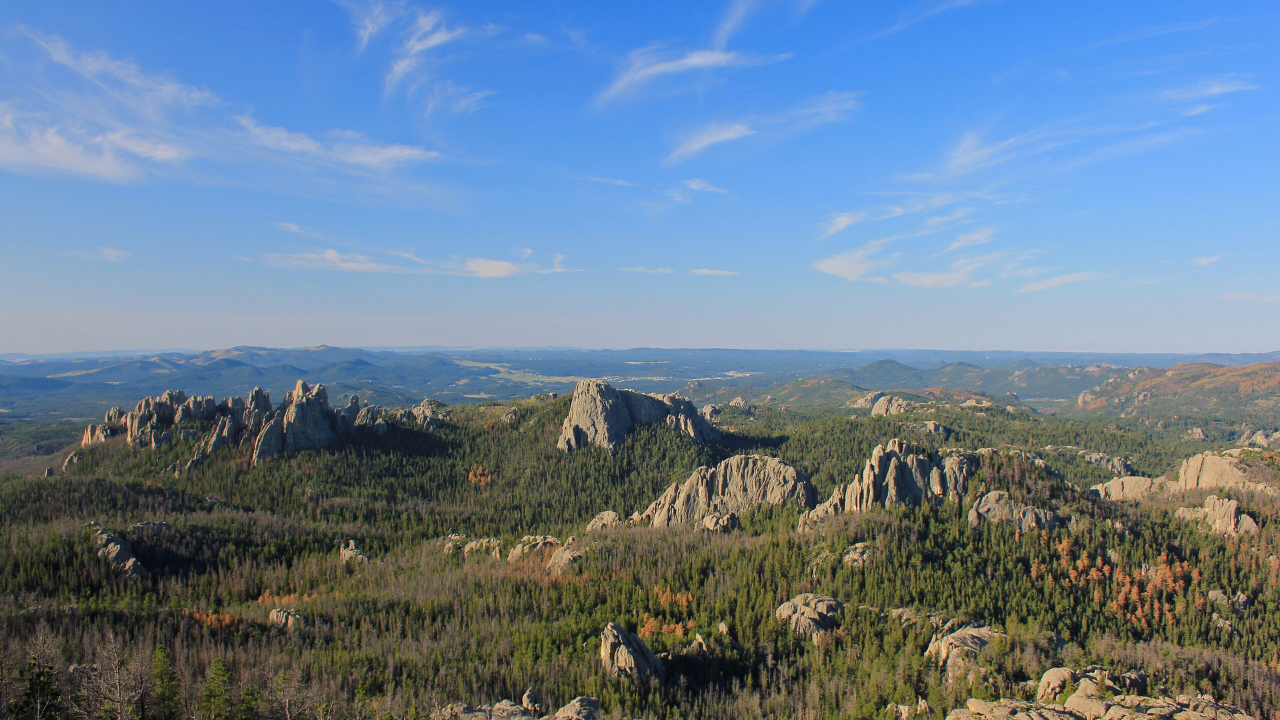
Hyde had worked as a rancher and written numerous books before founding the sanctuary, and remained closely associated with the project for the rest of his life. He died in December 2018, and the sanctuary has continued under the nonprofit organization created around his original project. Its current mission still centers on maintaining the land as habitat while providing a home for unwanted wild horses. The property is located near Hot Springs in southwestern South Dakota, where mustang herds continue to roam within the sanctuary's boundaries.
The strongest verified fact in Hyde's story remains the sequence that began with the Nevada feedlot. He saw a large number of wild horses that had nowhere to go through the adoption system, developed the idea of a refuge, and by 1988 had established an 11,000-acre sanctuary in South Dakota. More than three decades later, the land remains dedicated to wild horses and the surrounding habitat.
.png?w=600)