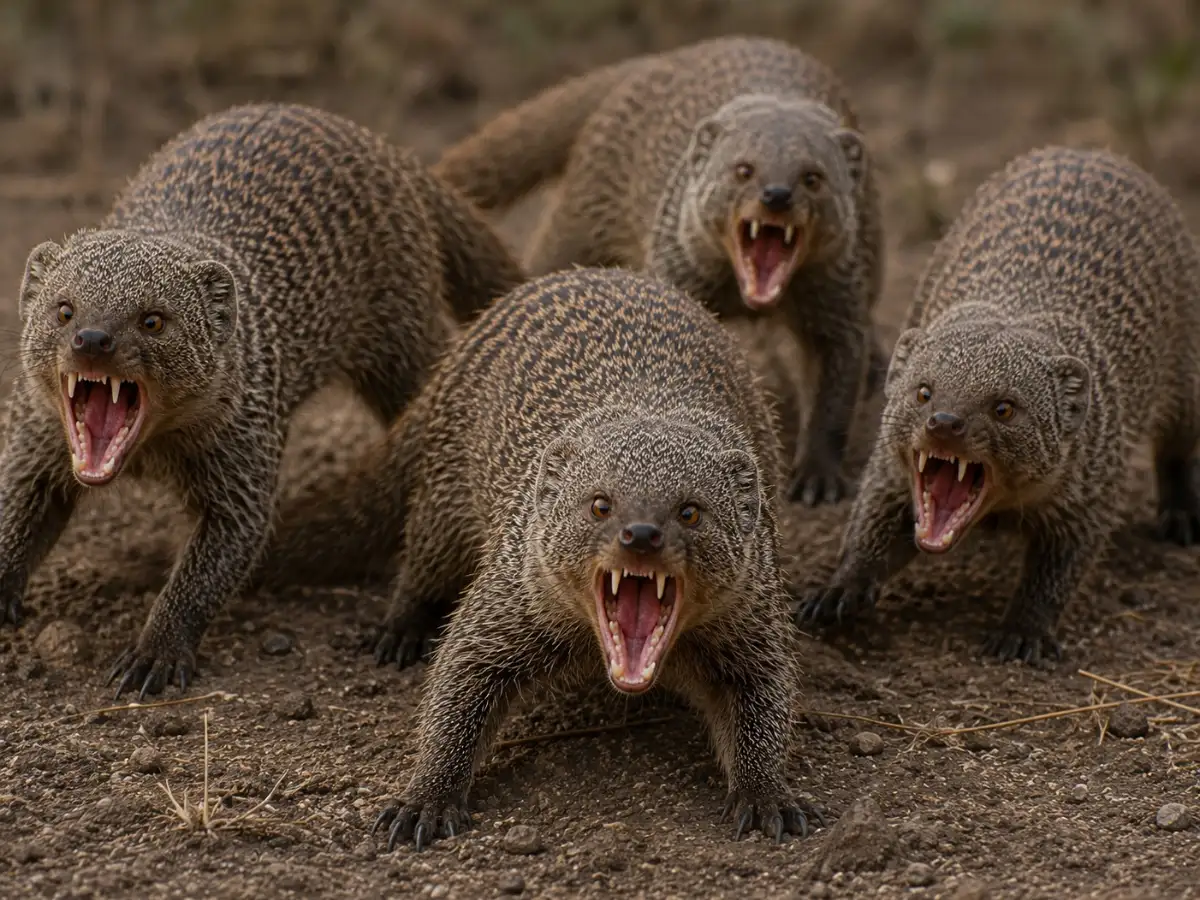
There is a particular kind of chaos that comes from a good idea going really wrong. In 1979, Japan imported 30 small Indian mongooses to Amami Ōshima, a lush subtropical island in Kagoshima Prefecture, to control the island’s venomous habu snakes. It felt like a nice, natural fix. It was far from that.
Japan is still trying to clean up the mess nearly 50 years later, and the tale has become one of the most studied conservation failures in modern ecological history.
The plan that looked perfect on paper
The habu (Protobothrops flavoviridis) is a pit viper native to the Ryukyu Islands and a real threat to people living and working outdoors. When Japan saw an opportunity to control the population with a natural predator, the obvious choice was the mongoose. Mongooses are known for their aggressive snake-hunting, fast, fearless and effective.