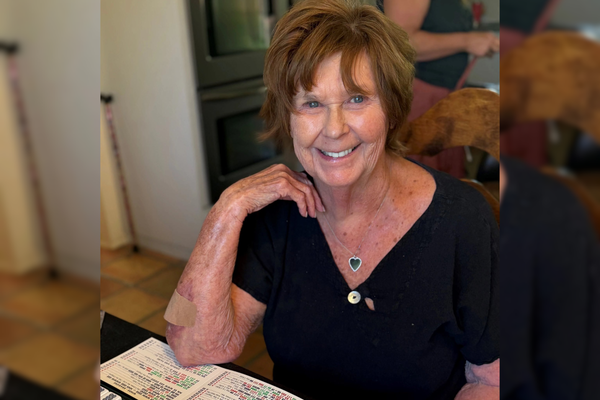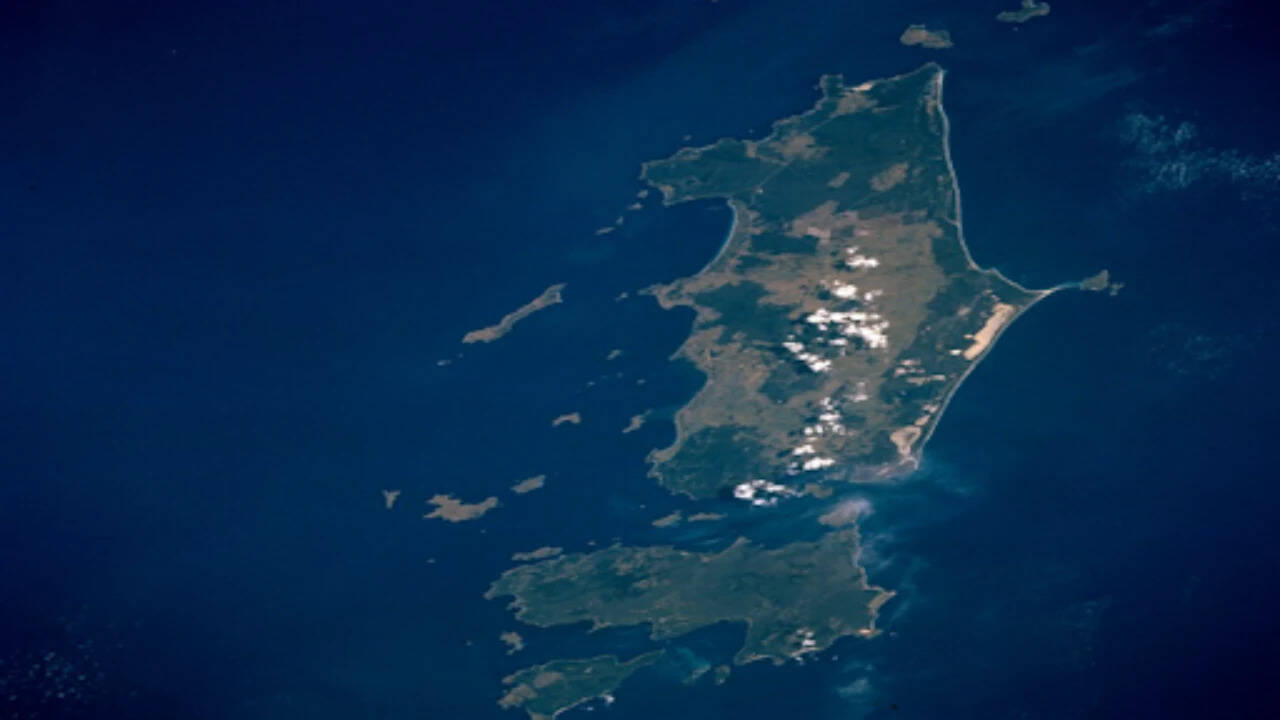
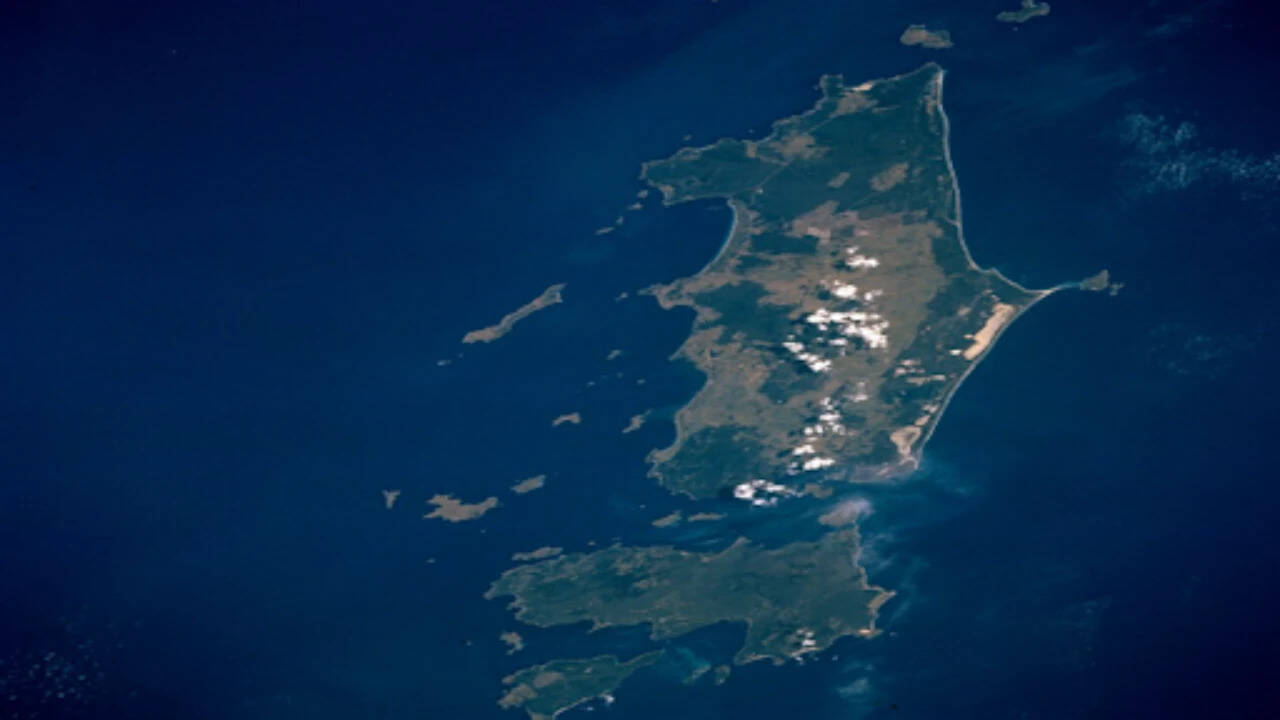
Most people who buy property look at square footage; the Woolfords look at a coastline. The Woolfords acquired Flinders Island, nearly 4,000 hectares, or roughly 9,900 acres, of scrub, granite and beach about 30 kilometres west of the Eyre Peninsula town of Elliston, in the late 1970s. It is the state's fourth-largest island. In 1979, they moved there to run it as a merino sheep station, bringing along their son Jonas, then one year old, and his brother Tobin, six weeks old. At the time, there was no town on the island and no other permanent residents.
Get breaking news anytime, anywhere. Download the TOI app now!
According to Flinders Island Eco Escape, Jonas Woolford was just over a year old when his parents moved to the island, where it became his playground and classroom. Jonas said that school was limited to an hour of School of the Air broadcast daily from the mainland.
Sheep station becomes something different
The Woolfords began shifting away from sheep farming in the mid-2000s, when they turned to tourism. The final destocking, part of the conservation project, was carried out in 2025. Besides operating the sheep station, Peter Woolford began diving for abalone in 1984 after noticing boats working around the island, and Eyrewoolf was established in 1987 to export abalone. His sons Jonas and Tobin later became involved in the business. Visitors can stay in the island's off-grid accommodation with exclusive access to the property. Growing up on the island gave Jonas firsthand experience of the damage the introduced pests caused.
Developing a partnership between governments
That concern shaped the Flinders Island Safe Haven project, a partnership between the Woolfords, the Eyre Peninsula Landscape Board, and state and federal governments. The Flinders Island Safe Haven agreement supports the eradication of feral cats, black rats and house mice from a 3,470-hectare safe haven. As per the South Australian Department for Environment and Water, the new conservation agreement complements a 1995 Heritage Agreement covering about 250 hectares of the island. The Flinders Island Safe Haven project received $4.8 million in funding from the Australian and South Australian governments. The wider 2025 operation paired feral pest removal with a complete removal of the island's cattle and sheep through agricultural destocking.
Year without visitors
According to Landscape South Australia, Flinders Island was closed to visitors from May through December 2025 while the pest-eradication operation was carried out. Helicopters were used to distribute rodent bait as part of aerial eradication efforts in South Australia. The remaining feral cats were tracked with thermal imaging, motion-detecting cameras, and other surveillance tools before being removed from the island. Officials described it as an unusually large joint eradication effort in South Australia.
When Matthew Flinders visited the island in 1802, he recorded tammar wallabies, which he described as "small kangaroos." Subfossil evidence also indicates that southern brown bandicoots once lived on Flinders Island. Both species later disappeared from the island, although the timing and causes of their decline are not fully established. Black rats were documented on the island following a shipwreck in 1942, while feral cats were also present.
Evidence the island is already responding
Official convervation timelines show that formal certification as a pest-free zone is anticipated around 2027, when the monitoring phase concludes and field teams can confirm that no target animals remain. Even before formal certification, some signs of recovery are already visible. Native orchids have started flowering again on parts of Flinders Island, while sheoak plants have begun sprouting in areas once grazed by livestock. Recent reports say little penguins have returned to two sites on the island.
Coming home
Once the island is officially declared pest-free, the next phase will be reintroducing threatened mammals after further monitoring and evaluation. Project documents list banded hare-wallabies and Nuyts southern brown bandicoots among the species being considered for release, along with the greater stick-nest rat and Shark Bay mouse.
Flinders Island reopened to tourists in January 2026, operating under new biosecurity measures that require visitors to inspect, clean, and seal their luggage before departing from the mainland. The Woolfords have long argued that conservation and tourism can coexist on Flinders Island, a view they have held since arriving in 1979 with plans for sheep grazing.
.png?w=600)