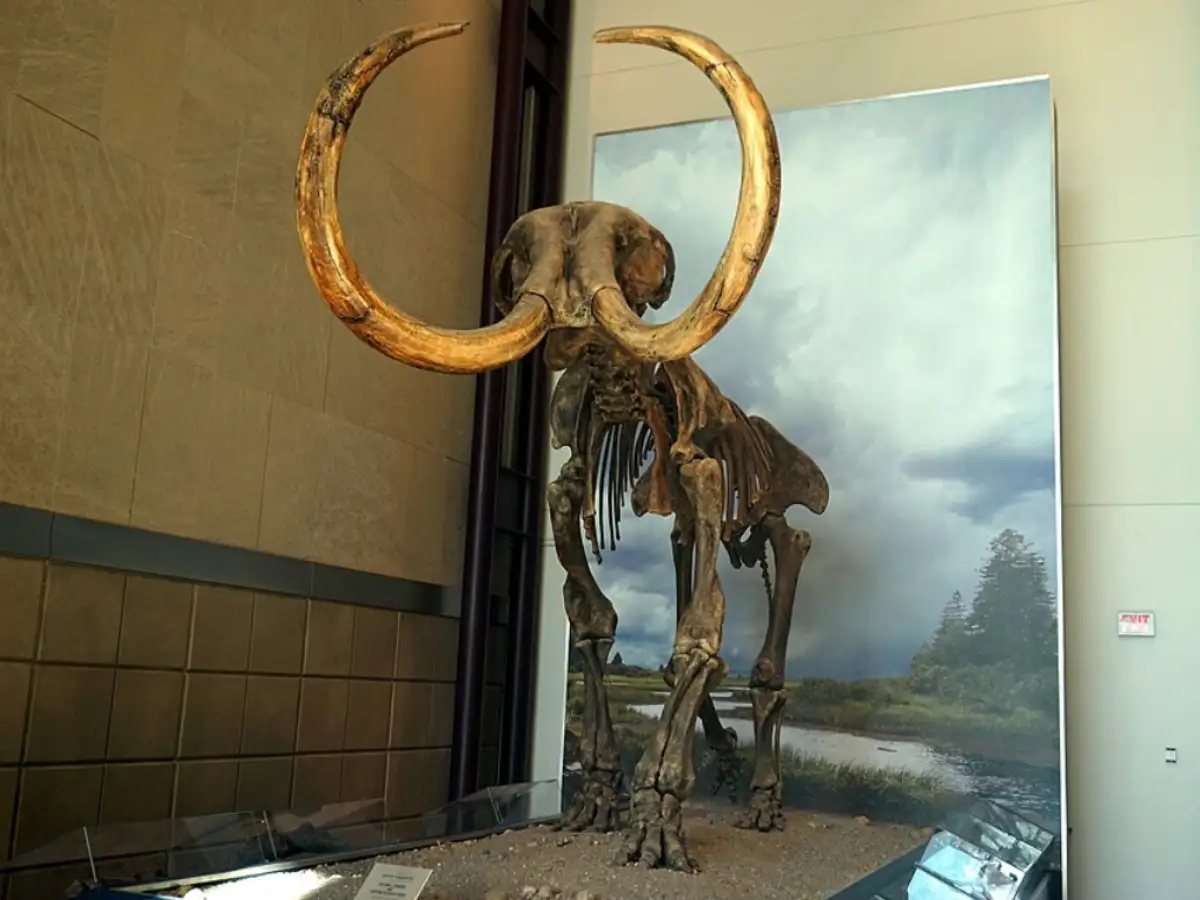
John Hebior, a farmer in Wisconsin, discovered a very large bone on his farmland in Kenosha County in 1979 and decided to keep the find rather than throw it away. At the time of the discovery, there seemed to be no particular significance to the find, but years later, archaeologists identified the find as the bones of a mammoth, which turned a curious discovery into an invaluable clue that later led researchers to what is now known as one of the most important Ice Age archeological sites in Wisconsin.
The importance of the Hebior Mammoth site is not limited to finding traces of mammoths; it was also involved in one of the most heated debates concerning the date of human arrival on the American continent.