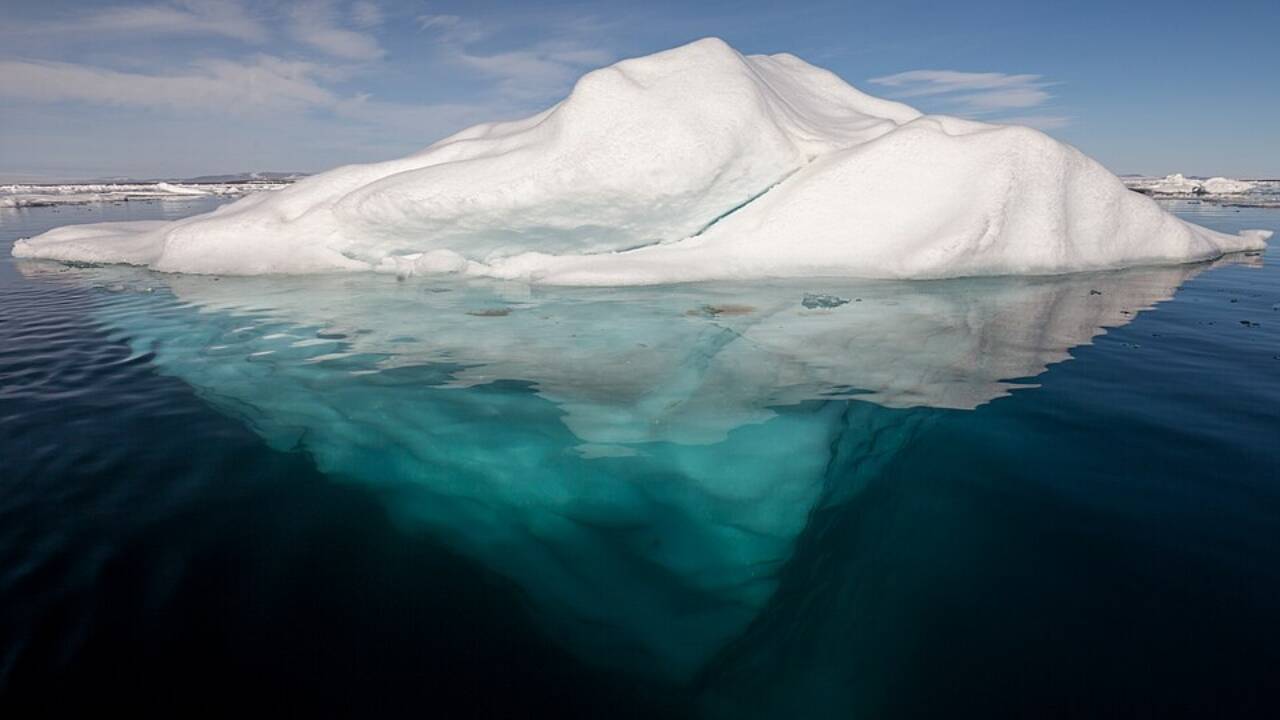
On the morning of 1 April, 1978, Sydneysiders gathered along the foreshore in disbelief as they watched what appeared to be a giant iceberg drift through Sydney Heads toward the Opera House. The floating berg seemed to confirm months of publicity surrounding entrepreneur and adventurer Dick Smith’s proposal to tow an iceberg from Antarctica to Australia as a potential freshwater reservoir. According to the Sydney Morning Herald , the spectacle triggered a media frenzy, jammed radio station switchboards and even prompted the Royal Australian Navy to offer the iceberg a place to moor. However, as rain began falling, the ruse dissolved, exposing white plastic beneath layers of firefighting foam and shaving cream that was covering an ordinary barge. What began as an elaborate April Fool’s Day prank soon became one of Australia’s most enduring public hoaxes.
Get breaking news anytime, anywhere. Download the TOI app now!
When fiction was built on scientific fact
The April Fool’s Day joke worked because it was rooted in a genuine scientific idea rather than pure fiction. During the 1970s, researchers in Australia, the United States and Saudi Arabia analysed whether giant Antarctic icebergs could be towed to arid regions to provide drinking water. Research published in the International Review of Environmental History noted that Australian scientists investigated the feasibility of transporting icebergs from the Amery Ice Shelf to southern Australia. Furthermore, studies discussed at the 1977 United Nations Water Conference and scientific meetings explored iceberg utilisation as one possible response to growing concerns about the increasing global freshwater crisis. Notably, entrepreneur Dick Smith was fascinated with the ambitious idea and had publicly discussed conducting experiments to determine whether Antarctic icebergs could help supply freshwater to drought-prone cities like Adelaide.
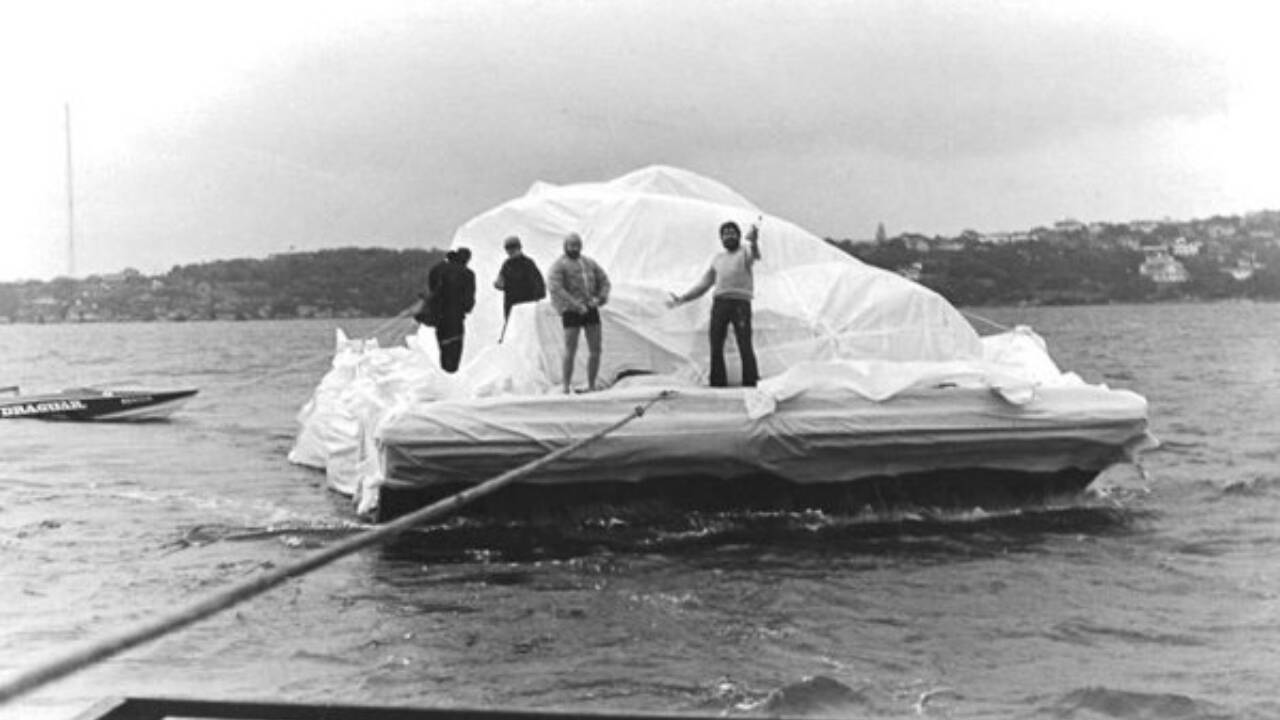
The Sydney Morning Herald article documented that the idea for an April Fool’s Day stunt emerged when one of Smith’s colleagues suggested pretending the iceberg had finally arrived. For around $1,200, the entrepreneur hired a barge, covered it with plastic sheeting, blanketed it in firefighting foam and finished the disguise with dozens of cans of donated shaving cream. Before dawn, collaborator Hans Tholstrup helped tow the makeshift ice mass through the Sydney Heads while around 300 Dick Smith Electronics employees telephoned newspapers and radio stations asking whether they had spotted a giant ice mass entering the harbour. It is worth noting that under an overcast morning sky, the ruse seemed more believable, with curious boat owners even approaching the mass, hoping to collect pieces of Antarctic ice.
Rain washed away the joke but secured the legend
The illusion survived only until the weather changed, as heavy rain washed away the firefighting foam and shaving cream, thus revealing the white plastic beneath and exposing the “iceberg” as an ordinary barge. Australian Geographic ’s accounts noted that the prank’s collapse with the spectacular reveal only added to its charm, turning what might have been a fleeting publicity stunt into a defining moment in Australian popular culture. American hoax historian Alex Boese later ranked the Sydney Harbour iceberg incident among history’s greatest pranks in his book Museum of Hoaxes , while historians have said that its credibility stemmed from genuine scientific interest in icebergs' utilisation instead of an entirely fictional premise.
Nearly five decades later, the fake Antarctic iceberg remains one of Australia’s well-known publicity stunts because it blended imagination with a real ongoing scientific debate. This prank highlighted how emerging ideas about engineering, water security and Antarctic exploration had entered the public consciousness during the 1970s, thus making an extraordinary claim seem believable for a few hours. According to Australian Geographic, Smith never abandoned his curiosity in ambitious engineering projects, and the harbour hoax continues to be remembered for the questions it raised about media credibility and the public’s willingness to believe stories grounded in genuine scientific proposals.