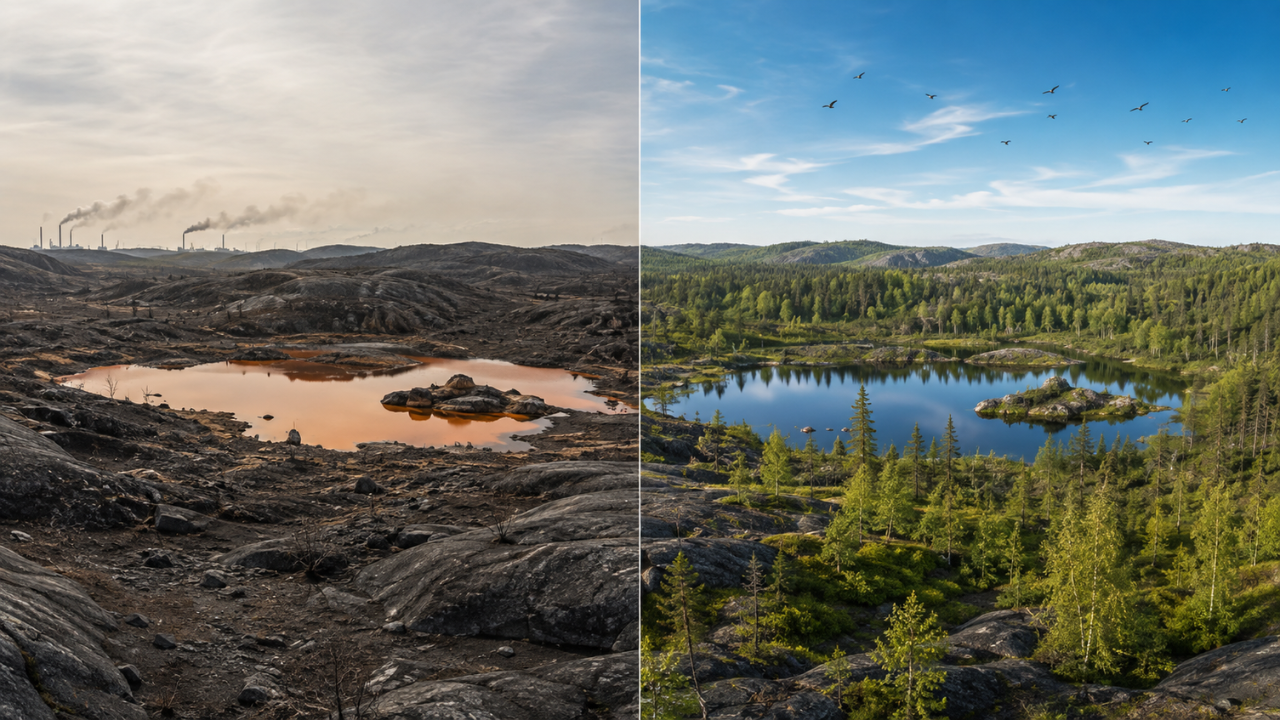
There is a small city in Northern Ontario that once looked so barren, NASA sent Apollo astronauts there in the early 1970s to train on its rocky, crater-scarred ground. A 2025 OECD report on mining regions in Northern Ontario calls Sudbury's recovery from that damage "a globally recognised example of large-scale environmental restoration." It is a notable environmental recovery story, and it started with something as ordinary as crushed limestone.
Get breaking news anytime, anywhere. Download the TOI app now!
A pollution problem the size of a city
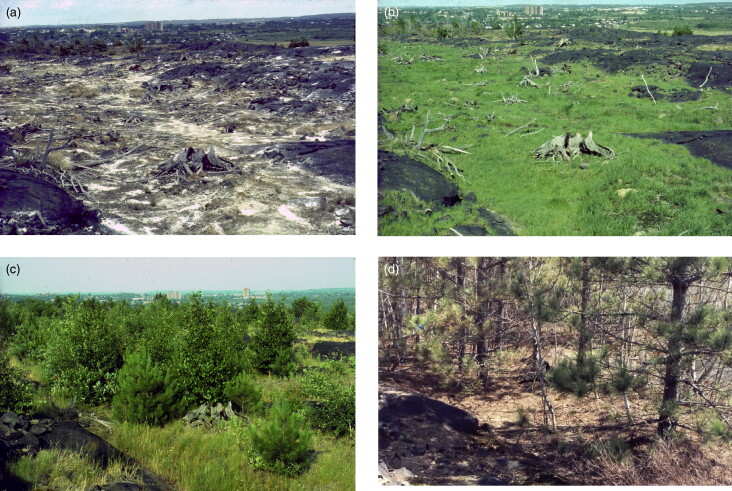
Sudbury sits on one of the richest nickel and copper deposits on Earth, and mining has gone on there since the 1880s. For decades, smelters released huge amounts of sulphur dioxide and metal dust into the air. By the early 1960s, Sudbury's smelters were responsible for roughly 4% of the entire world's sulphur dioxide emissions, according to research summarised by Open Access Government. The fallout was severe. Acid rain damaged lakes across the region. Soil turned toxic. Trees and grass stopped growing over thousands of hectares, leaving behind blackened, cratered rock, which is why the area became known as a "moonscape."
The limestone fix that made regrowth possible
You cannot grow plants in soil that is acidic and loaded with metal, even if seeds are blowing in constantly from nearby forests. That is the core problem described in a landmark study in the journal Environmental Reviews, titled ‘ Environmental degradation and rehabilitation of the landscape around Sudbury .’ This study notes that spreading ground limestone on damaged soil neutralises the acidity and binds the toxic metals, making the land liveable for plant roots again. Local scientists, grouped under the Vegetation Enhancement Technical Advisory Committee, or VETAC, formed in 1973, tested this approach on a small scale first. It worked. In 1978, the City of Greater Sudbury scaled it up into an official, city-wide programme: crushed limestone, fertiliser and grass seed spread across the barren rock, followed by tree planting once the grass had taken hold.
Nearly ten million trees, decades of work
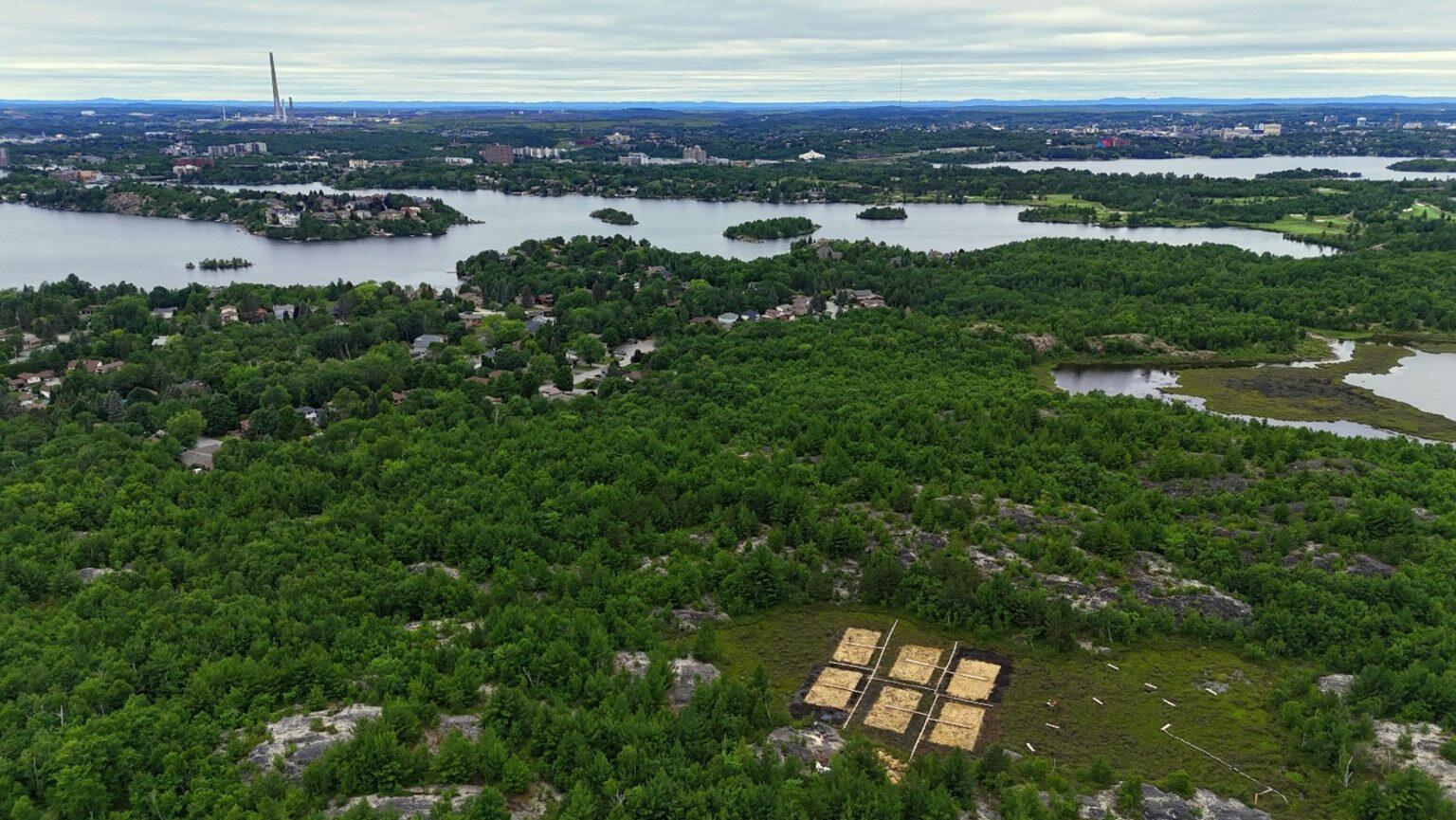
The scale of the effort is what makes the story remarkable. By 2015, according to the City of Greater Sudbury's own Regreening Program Annual Report, more than 3,400 hectares (about 8,400 acres) of land had been limed and grassed, and 9.5 million tree seedlings had been planted since the programme began. The OECD report puts the total investment at more than CAD 30 million. It says the work was funded by federal and provincial governments, mining companies and private donors, and that it created seasonal jobs for local residents. Thousands of volunteers, students and temporary workers did the actual planting, year after year. By 2022, the programme had crossed the 10 million tree mark, with plantings still continuing today.
A partnership that grew more inclusive over time
The OECD report also points out something often missing from older tellings of this story: the role of First Nations. Initial regreening efforts were mostly driven by scientists, industry and government, with little consultation of local Indigenous communities. That is not the case anymore. The Atikameksheng Anishnawbek and Wahnapitae First Nations, both signatories to the 1850 Robinson-Huron Treaty, are now recognised partners in the programme, with representation on VETAC and direct involvement in land reclamation projects near Sudbury.
Why this matters far beyond Sudbury
Similar scars can be found in industrial regions around the world, from Pennsylvania’s coal country and America’s Rust Belt to Germany’s Ruhr Valley, Wales’s former coal-mining valleys and Russia’s Norilsk, another metal-smelting city long notorious for its battered surroundings. But Sudbury’s experience shows that such damage need not be permanent, and repairing it does not always require some dramatic new technology. Sometimes it takes a cheap, well-understood material like limestone, plus years of patient, coordinated effort by government, industry, scientists and residents.
What also stands out is how long-term this commitment was. For nearly five decades, Sudbury’s regreening programme has continued through several mayors, mine owners and generations of volunteers who never received individual credit. There was no big cleanup day, no moment of cutting a ribbon to announce that the job was done. It was thousands of small acts, repeated year after year, that finally added up to a visibly different landscape.
A blueprint, not a finish line
Sudbury is not "done." There are still tens of thousands of hectares around the city that need treatment, and some lakes are still healing. But the transformation so far is hard to ignore. The city that stood in for the lunar surface has since grown over with forest, returned wildlife and, according to local reports, some of the cleanest air in Ontario. For anyone who assumes environmental damage from heavy industry is permanent, Sudbury is a useful reminder that it does not have to be.