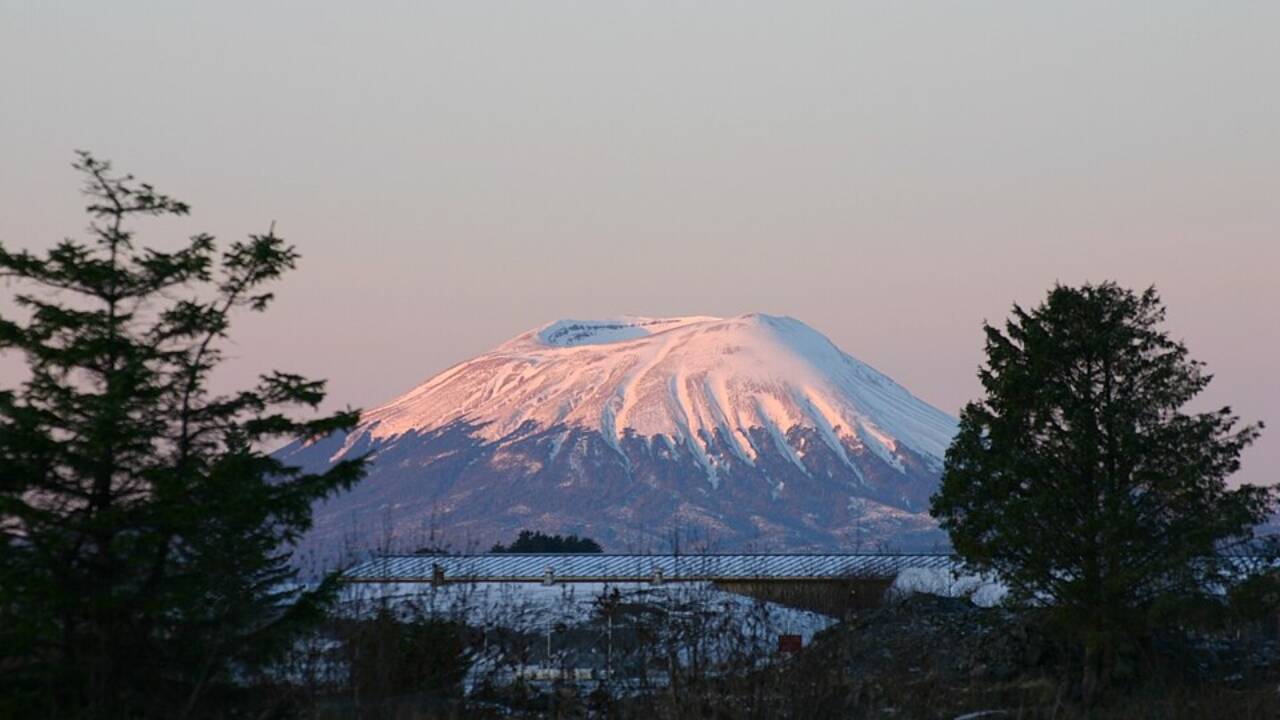
On the morning of 1 April 1974, residents of Sitka, Alaska, looked across the water toward the snow-covered summit of Mount Edgecumbe and saw something they had never seen in thousands of years: a thick column of black smoke rising from the volcano’s crater. Naturally, panic spread quickly as people rushed to the streets, convinced that the long-dormant volcano was erupting. According to the Alaska Volcano Observatory (AVO) , Mount Edgecumbe’s last confirmed eruption occurred nearly 4,000 years ago, making any sign of activity deeply concerning. The dramatic plume from the summit, however, had nothing to do with magma, as it was the work of local logger and prankster Oliver “Porky” Bickar. He orchestrated an elaborate April Fool’s Day joke by burning 70 old tyres inside the crater of the dormant volcano. The hoax remains a legendary example of how careful planning, perfect timing, and a believable setting briefly fooled an entire community.
Get breaking news anytime, anywhere. Download the TOI app now!
The joke took years to make
As reported by Alaska News Source , Oliver “Porky” Bickar had conceived the idea in 1971 and spent three years collecting discarded tyres while waiting for the ideal weather conditions to execute his plan. It is worth noting that Mount Edgecumbe, a 975m stratovolcano on Kruzof Island about 24km west of Sitka, is visible from the town on clear days, making it the ideal stage for the ruse. On 1 April 1974, Bickar hired a helicopter to ferry the tyres, fuel and supplies to the crater. After making the arrangements, he soaked the stacked tyres with fuel, ignited them and spray-painted the words “APRIL FOOL” in giant letters across the nearby snow, which could be read only from the air to ensure that any pilots flying over the crater instantly understood the prank rather than reporting an emergency.
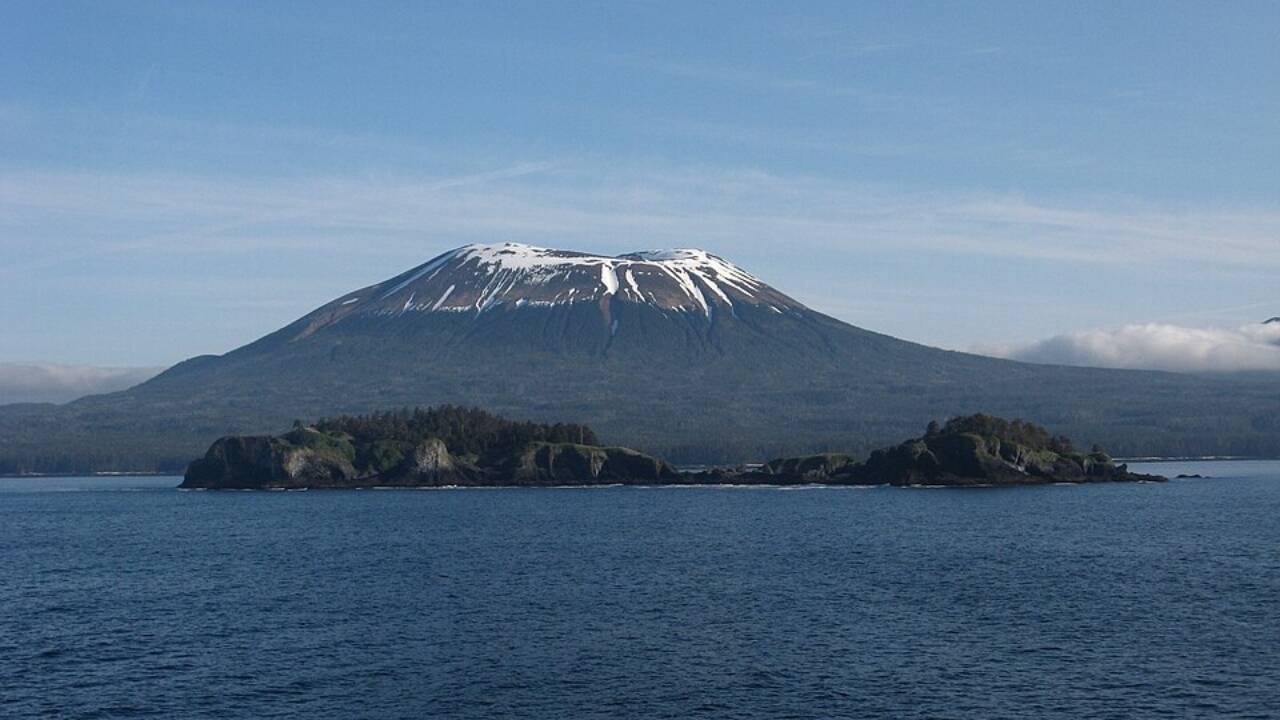
As thick black smoke billowed into the sky, residents of Sitka feared that the dormant volcano had awakened. The Sitka historical accounts noted that Bickar had informed the Federal Aviation Administration and local authorities about his plan to avoid unnecessary confusion, but he forgot to notify the U.S. Coast Guard. Following the notification of a possible eruption, a Coast Guard helicopter was dispatched to inspect the apparent eruption, only to find burning tyres in the crater and the enormous “APRIL FOOL” message, thus bringing the mystery to an end. Additionally, the prank was made more convincing because volcanic ash clouds often appear as dark plumes during the early stages of explosive eruptions, and Mount Edgecumbe’s snow-covered crater provided an ideal backdrop for this illusion.
A prank that became a part of Alaska’s folklore
Instead of fading into local memory, Bickar’s stunt became one of Alaska’s best-known practical jokes. Historian David Reamer and the Museum of Hoaxes have both highlighted the effort behind it and the realism of the ruse. According to local legend, after the 1980 eruption of Mount St. Helens, someone jokingly wrote to Bickar telling him that this time he had gone too far. While the story is likely apocryphal, it reflects how deeply the prank became woven into Alaskan folklore. Today, Mount Edgecumbe is closely monitored by the AVO using seismic instruments, satellite observations and geodetic measurements after scientists detected magma-related ground deformation in 2022. Researchers have, however, said an eruption is not considered imminent.
Decades later, the Mount Edgecumbe tyre fire is still a fascinating story because it blended meticulous planning with a believable natural phenomenon. Unlike many practical jokes, it relied on genuine spectacle visible for kilometres across Sitka Sound instead of solely relying on trick photography or fabricated reports. Additionally, Mount Edgecumbe’s past volcanic history made the apparent eruption plausible enough to fool the residents, while Bickar’s attention to detail transformed a pile of junk and burning tyres into an unforgettable memory of community history.