Arthur and Margaret Thorsborne came to North Queensland in 1964 for a camping trip on Hinchinbrook Island. They were captivated by the region and returned repeatedly, eventually settling in the area and becoming closely involved in its conservation. Hinchinbrook is a large, mountainous island off the Queensland coast, with rugged terrain, forests and diverse wildlife. Their first visit marked the beginning of a long association with the region and its natural environment.
Get breaking news anytime, anywhere. Download the TOI app now!
Coral sand cays are dynamic landforms that can change as waves, sediment movement, climate and human activity reshape their shorelines. In his research study , geologist Peter G. Flood examined the changing shape and orientation of Heron Island. His study considered the roles of erosion, accretion, wave action and human modifications in the cay’s physical development. Heron Island is a coral sand cay and is therefore geologically different from the mountainous Hinchinbrook Island where the Thorsbornes first camped.
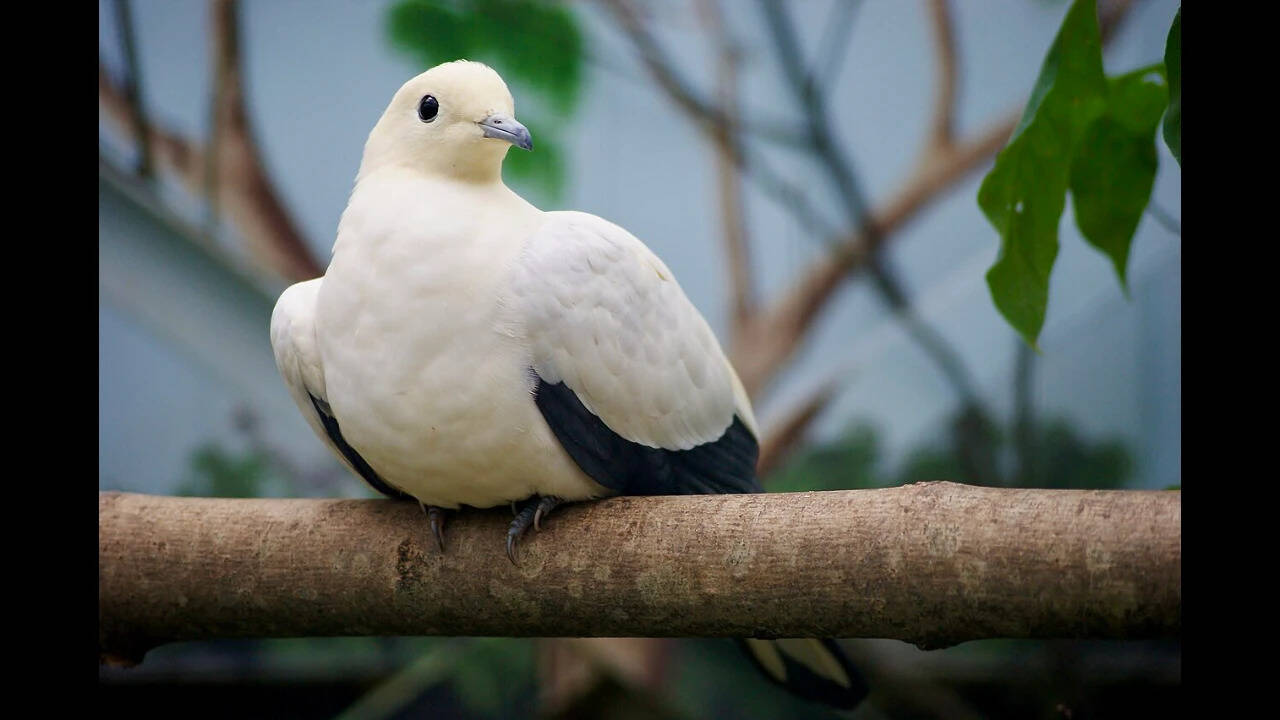
The pied imperial-pigeon population was declining when the Thorsbornes became involved with the species. In 1965, they began annual counts of the breeding colony on North Brook Island, creating a long-running record of population changes. The counts continued for decades and eventually provided one of the longest records of a pied imperial-pigeon colony in the region.
Creating a sanctuary from a remote retreat
The annual counts became more than a record of individual sightings. Repeating the surveys over many years allowed changes in the colony to be compared across different periods, revealing both its decline and subsequent recovery. The resulting dataset gave researchers a valuable historical baseline for examining how the population responded to changing conditions.
The long monitoring period also captured major disruptions. After Cyclone Yasi struck the region in 2011, the following season’s count fell sharply before the population began to recover. Such fluctuations showed why continued monitoring was important, providing a clearer picture of both the colony’s resilience and its vulnerability to major disturbances.
A legacy of a transformed approach to island conservation
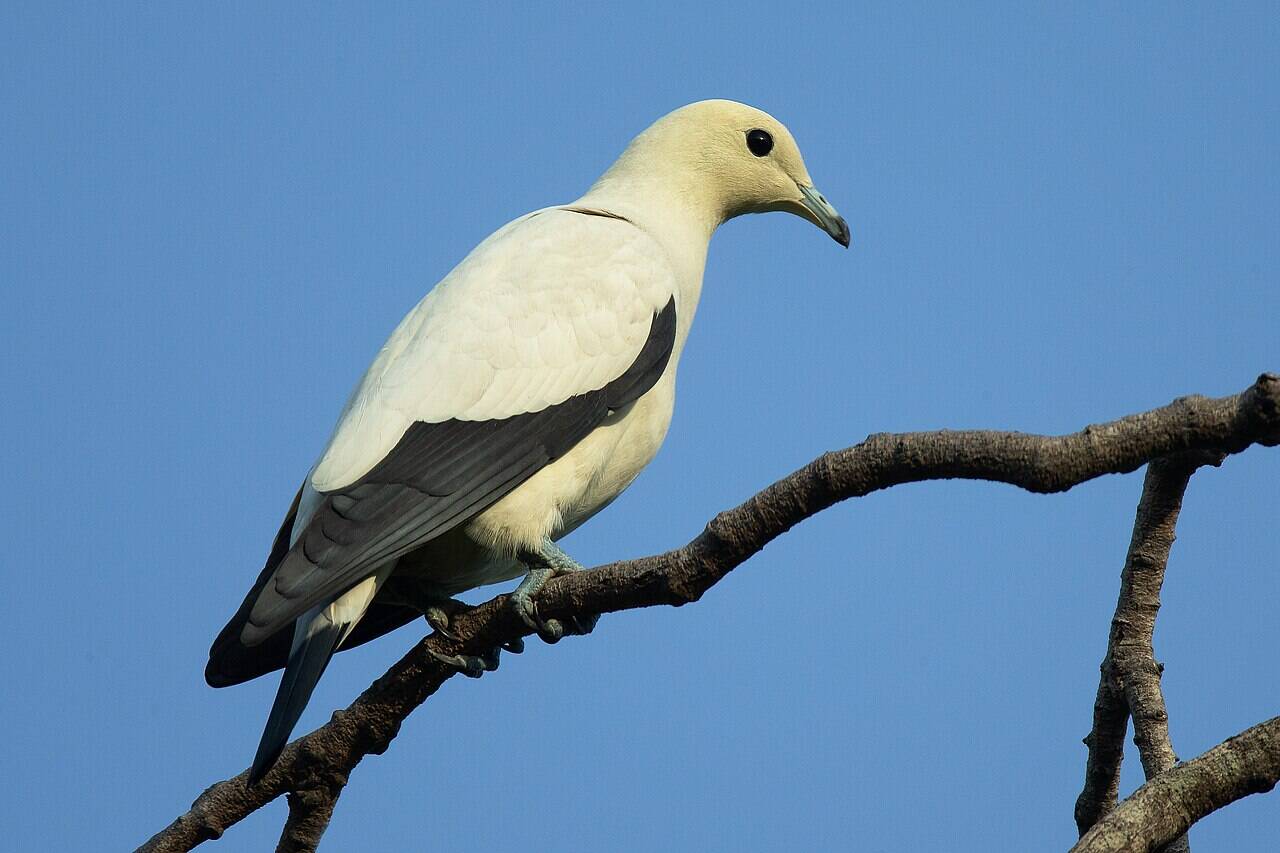
During the following decades, regular counts revealed a considerable increase in the population of pied imperial pigeons, reaching more than 40,000 birds by the end of the period of observation. Decades-long observations provided an extensive record of changes in the bird population on the island.
The five-decade-long study provided a good record of pied imperial pigeons and their subsequent recovery. Although the growth cannot solely be credited to the efforts of the Thorsbornes, the contribution of their long-term observations proved useful in highlighting a significant transformation in the bird population on the island. The tale of the Thorsbornes highlights how local participation is critical in wildlife conservation.