Along the southern shore of Lake Michigan, environmental conservation came to a head in the mid-20th century. According to a historical profile published on the National Park Service website , a World War II veteran and struggling artist named John Samuel Hawkinson Jr. purchased a modest two-acre plot of land in the Central Dunes of northern Indiana in 1950 for just $400. The property lay off Barking Dog Road, inside a 5,000-acre wilderness of rolling sand dunes, wetlands and ancient oak savanna. Hawkinson and his wife, Lucy Ozone Hawkinson, built a cabin on the two-acre parcel and used the property as a retreat. Their decision to hold on to the land became increasingly significant as industrial development closed in around it.
Get breaking news anytime, anywhere. Download the TOI app now!
According to the profile, industrial expansion accelerated in 1952 when Bethlehem Steel announced plans to acquire the Central Dunes around the Hawkinson property for industrial facilities and a commercial harbour. By 1962, corporate representatives offered the Hawkinsons $25,000 for their two-acre holding, a much larger sum than their original $400 purchase price.
As the historical account explains, John and Lucy Hawkinson, active members of the Save the Dunes Council, steadfastly turned down the cash offer to protect their haven. While surrounding landowners sold out to industrial interests, the Hawkinson family refused to surrender their plot, choosing instead to hold on to the very last privately owned piece of natural dunes property in the area that was slated to become the Port of Indiana.
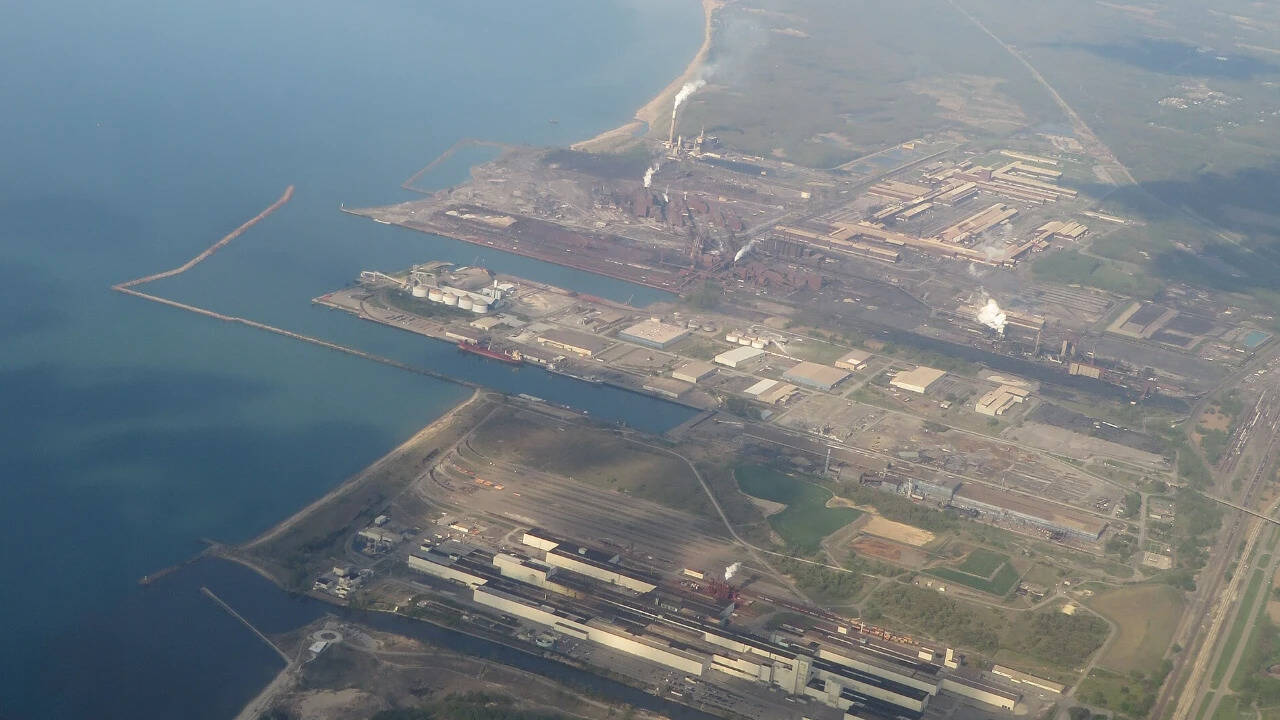
As documented in the National Park Service report The Last of the Central Dunes: Hawk's Island 1966 , heavy construction and land-clearing equipment altered the surrounding landscape during the 1960s to make way for Bethlehem Steel's four-hundred-million-dollar Burns Ditch complex and the Port of Indiana. Refusing to sell, Hawkinson compelled industrial developers through court litigation to maintain an access right-of-way so his family could reach their land. The legal victory left their two-acre plot as a green sanctuary encircled by factories, known as Hawk's Island.
Saving the classroom from industrialisation
According to the records in the National Park Service, the difference between the Hawkinson preserve and its immediate environment became more and more pronounced in the coming years. From the hill behind the peaceful cabin, one gazed down upon the pavement and desolate land leading to giant steel manufacturing plants. New construction altered the regional watershed so that the tiny pond where water lilies and wood ducks formerly lived was drained dry. Within the borders of Hawk’s Island, indigenous trees stood tall, and wildflowers bloomed each spring.
Throughout the late 1960s, even as heavy machinery hummed across the adjacent property, Hawkinson continued taking youth groups onto his small patch of remaining dunes to paint, observe wildlife and study plant life. The contrast between the natural landscape he was protecting and the industrial development surrounding it made Hawk's Island an increasingly visible symbol of the struggle over the Central Dunes.
The efforts of Hawkinson and other conservation activists were a sign of the regional environmental movement. By standing firm in the middle of the industrial area, Hawkinson drew attention to the destruction of Lake Michigan’s shoreline and helped spur federal action.
Inspiring the movement for Indiana Dunes National Lakeshore
The struggle over Hawk's Island unfolded alongside a broader campaign to protect the remaining Central Dunes from industrial development. Growing concern over the loss of the dunes helped build support for preserving parts of the region. In late 1966, Congress authorised the Indiana Dunes National Lakeshore, providing federal protection for portions of the landscape.
Their persistence showed how individual citizens could resist commercial pressure to protect natural habitats. Today, John Samuel Hawkinson Jr. is remembered in the history of Indiana Dunes National Park.