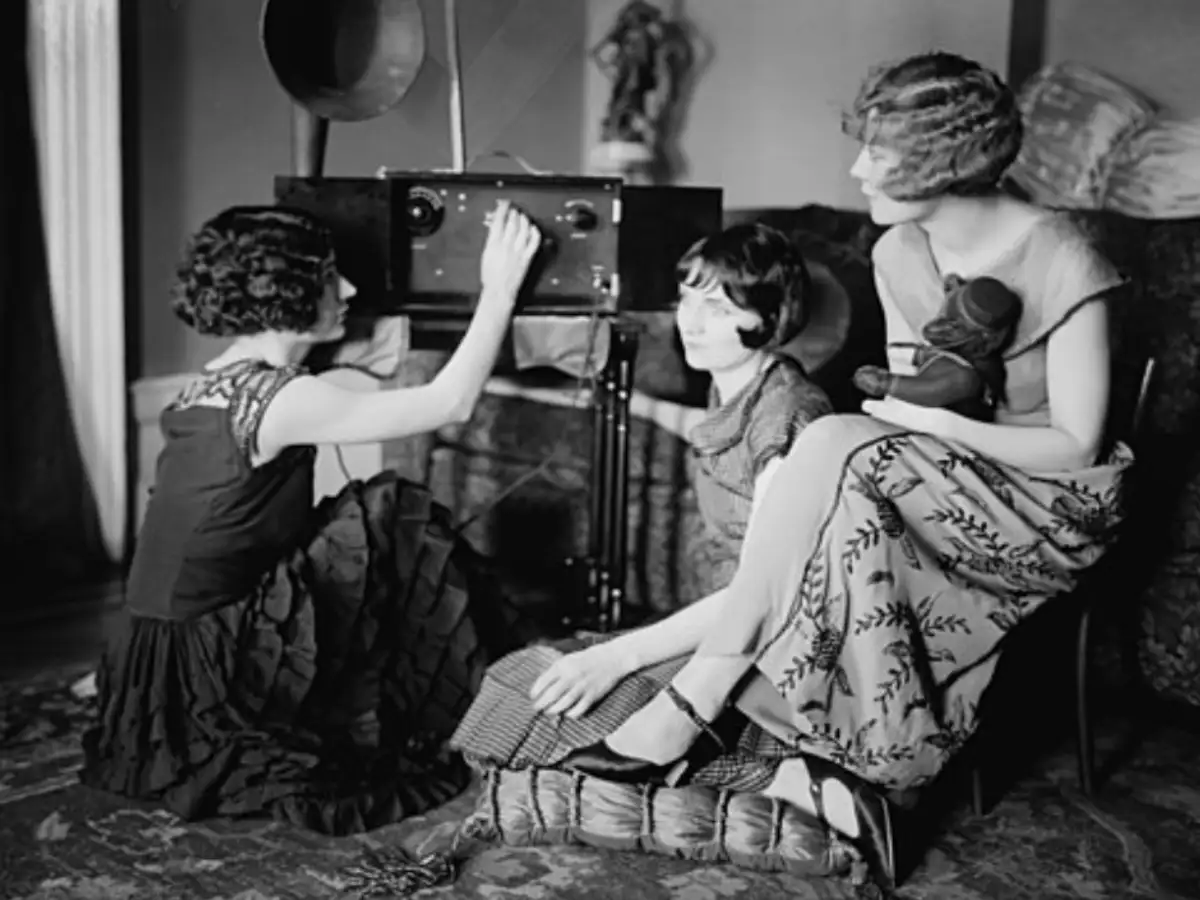
Radio was something people gathered around for much of the first half of the twentieth century, and families listened together in living rooms, kitchens, and parlors, often structuring parts of their day around scheduled broadcasts. The radio was an important source of entertainment and information, but it was also tied to a specific place.
That began to change during the 1950s as engineers developed portable transistor radios that were small enough to fit into a pocket, handbag, or jacket. What looked like a simple improvement in size ended up changing how people experienced music itself.
Research published in journals such as Frontiers in Psychology , Psychology of Music , and The SAGE Handbook of Popular Music suggests that portable listening devices fundamentally altered when, where, and how people engaged with audio. Once radio became portable, music no longer had to wait at home. It could travel alongside everyday life.