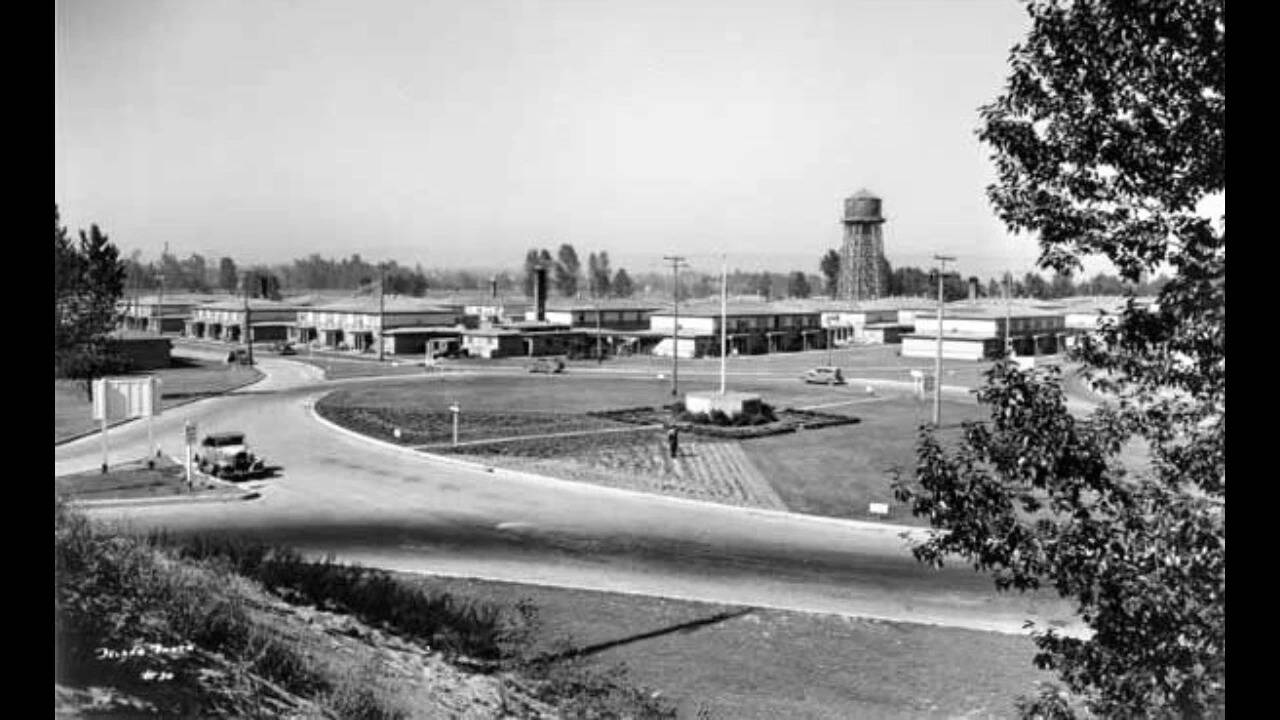
For a few remarkable years during the Second World War, an entirely new city stood on the outskirts of Portland. Then it vanished almost as quickly as it had appeared. According to the Oregon Historical Society's Vanport exhibit , Vanport was built in 1942 to house thousands of people arriving to work in Portland's wartime shipyards. At its peak, it was home to around 40,000 residents, making it Oregon's second largest city.
Get breaking news anytime, anywhere. Download the TOI app now!
Apartment blocks, schools, shops and community facilities were completed within months, turning what was intended as temporary housing into a lively community where thousands of families built their daily lives. Families came from many parts of the United States in search of work and settled there.
A wartime city unlike any other
When the United States entered the Second World War, shipbuilding became a national priority. Portland's shipyards expanded rapidly, attracting workers from across the country. The sudden influx of labour created an urgent demand for housing, leading to the construction of Vanport between Portland and Vancouver, Washington.
Historical records from the museum show that the city was built on low-lying land protected by dikes along the Columbia River. The location offered enough space for thousands of homes and easy access to nearby shipyards, but it also depended on flood-control structures for protection.
Construction moved quickly. Streets, utilities, schools, bus services and neighbourhood shops were established within months. Although the project was designed to meet wartime needs, many residents stayed after the war because housing elsewhere in the Portland area remained scarce.
Vanport also became one of Oregon's most diverse communities during the war years. Workers arrived from rural towns, industrial cities and southern states, while many African American families relocated to Oregon for defence jobs. Despite widespread racial discrimination at the time, the city included people from different backgrounds who shared schools, neighbourhoods and community spaces. Residents organised sporting events, attended local gatherings and raised families there, giving Vanport the feel of an established town rather than a short-term housing project.
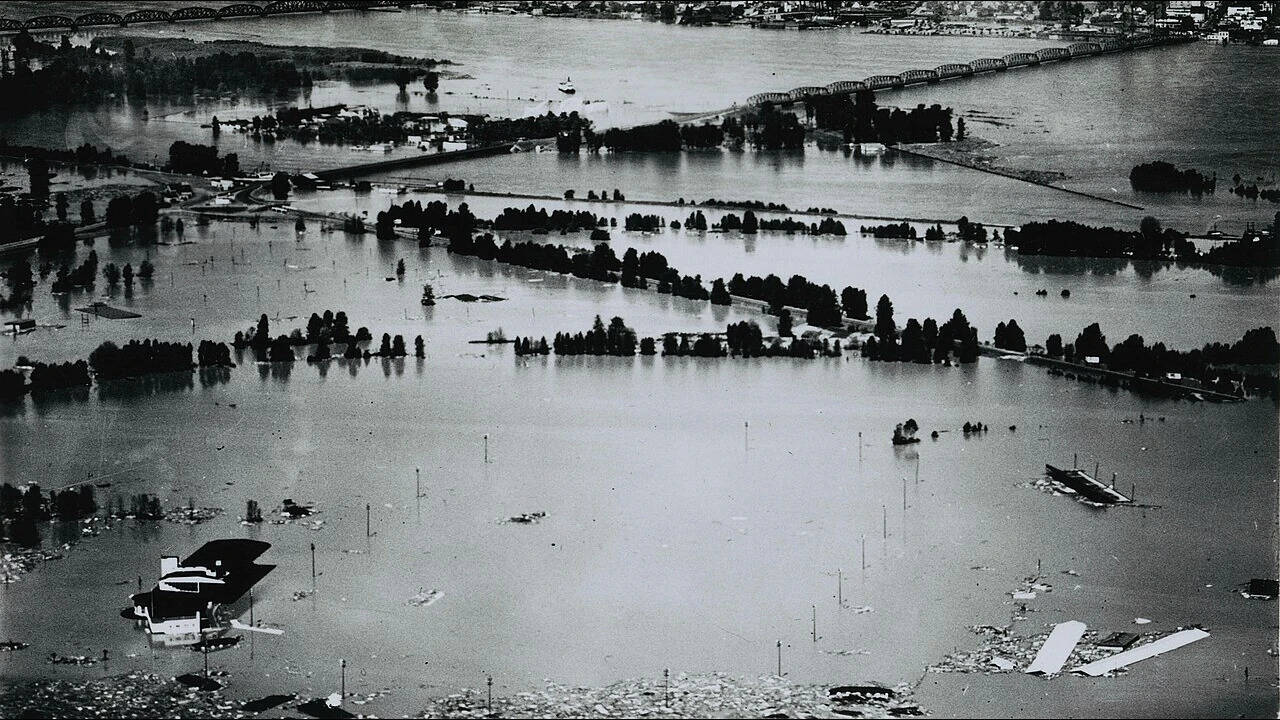
A flood that ended the city in hours
Vanport's future depended on the dikes surrounding it. During the spring of 1948, conditions across the Columbia River Basin put those defences under increasing pressure.
The United States Geological Survey documented the disaster in its 1949 Water-Supply Paper 1080, Floods of May-June 1948 in Columbia River Basin , which examined the hydrological conditions behind the flood. The investigation found that an unusually deep mountain snowpack, followed by warm weather and seasonal rainfall, caused rapid snowmelt and exceptionally high river flows across the basin. Rising water levels increased pressure on levees and flood-control systems throughout the region.
On 30 May 1948, one of the dikes protecting Vanport failed. Water surged into the city, overwhelming streets, homes and public buildings within minutes. Many residents had been reassured earlier that the flood defences would hold, making the speed of the disaster even more shocking.
Families escaped with only the belongings they could carry as emergency crews worked to rescue those trapped by the rising water. Within hours, the city had been left uninhabitable. Museum records note that Vanport was never rebuilt. Instead, survivors dispersed across Portland and neighbouring communities, where many struggled to find permanent housing in an already crowded market.
The Vanport exhibit also notes that many African American families who had established new lives in the city during the war were forced to relocate again after losing their homes in the flood. The US Geological Survey's report on the 1948 Columbia River floods documented the widespread flooding across the basin and the hydrological conditions that contributed to the event.
Today, the former Vanport site includes Delta Park, Portland International Raceway and other developments, with few visible reminders of the city that once stood there. The Oregon Historical Society's records on Vanport and the United States Geological Survey's study of the 1948 floods provide accounts of the city's construction during the war years and the flood that ended its existence.