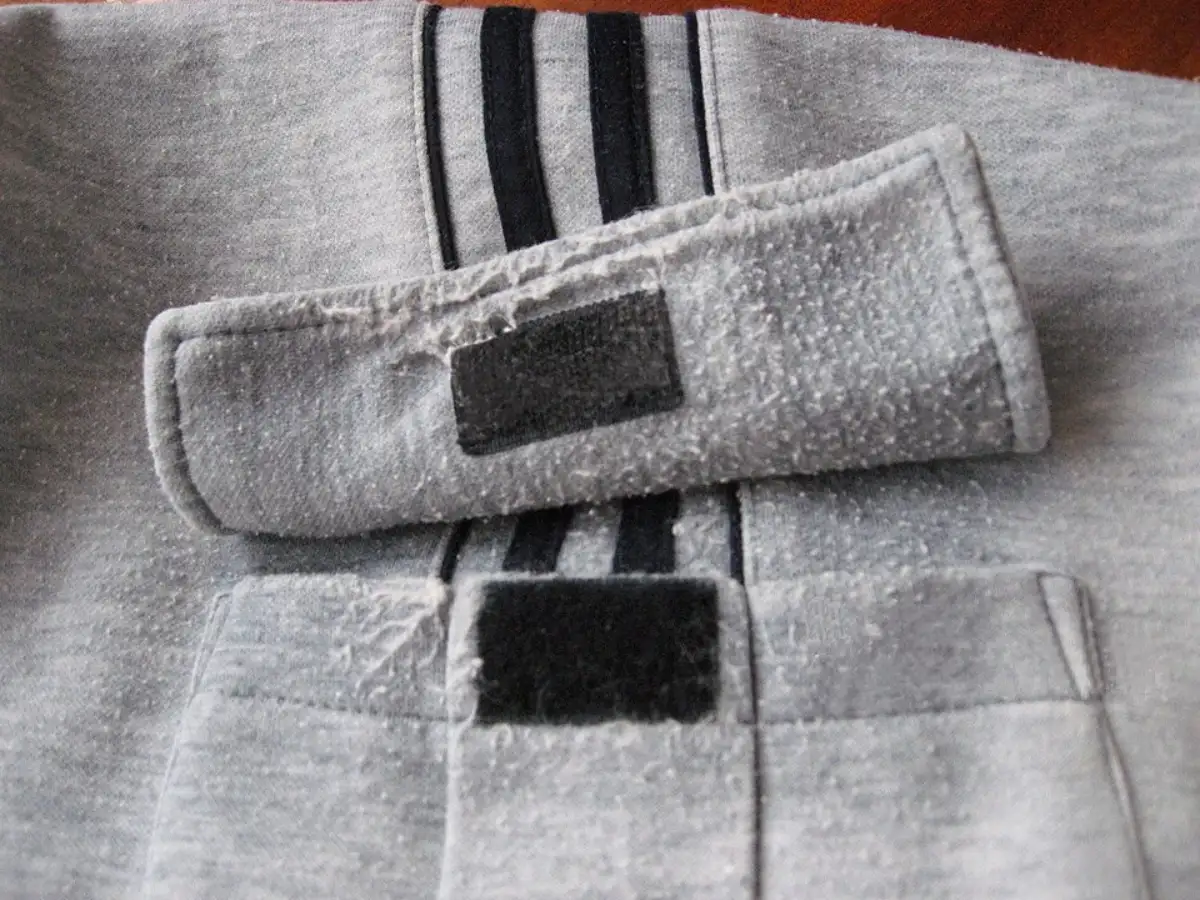
Georges de Mestral came back from a country walk with his dog and saw burrs sticking tenaciously to his dog's fur and his clothes in 1941. For most individuals, such an experience may be trivial enough to dismiss; however, what made de Mestral different was his keenness to study this natural phenomenon and understand why it happened.
He found that when put under close scrutiny, each seed was equipped with hundreds of minute hooks which could grasp loops and threads again and again without the aid of glue, knots, or any kind of attachment. This discovery went on to form the basis of the well-known product called Velcro. As mentioned in an article on biomimetics in PubMed Central, what de Mestral learned about the structure of burdock seeds after his stroll marked the first instance in history of nature-based engineering design.
The burrs were capable of attaching themselves through tiny hooks that would latch onto rough surfaces, including hair and fabric. Most importantly, the adhesion was reversible and did not damage either surface, and this mechanism of reversible adhesion provided the critical insight for the engineer.
According to another review on biomimicry published in PubMed Central, hook-and-loop fasteners came to be regarded as among the earliest successful biomimetic surface technologies, devised by mimicking the structure of plant burrs. In essence, the significance of the burr had nothing to do with its beauty or uniqueness as a botanical phenomenon, but its practicality as a mechanical innovation.