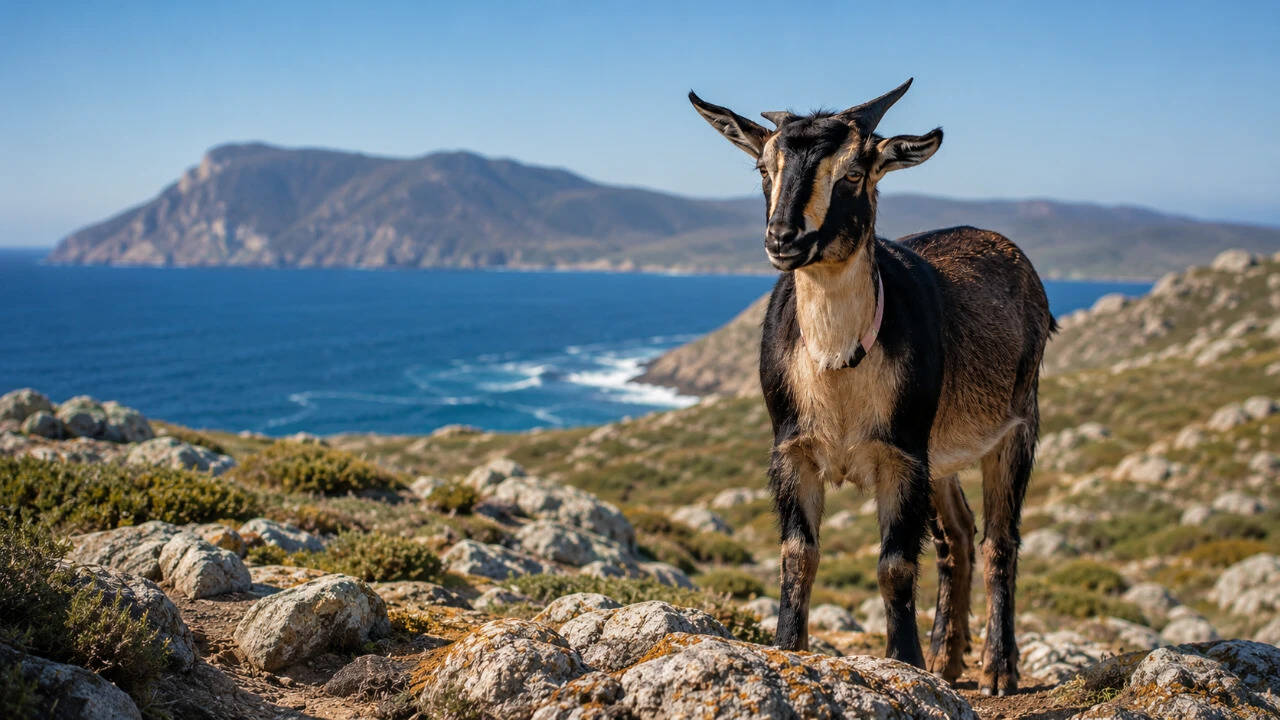
In 1934, San Clemente Island off the coast of California came under U.S. Navy control, inheriting a landscape that included thousands of feral goats descended from animals introduced by Spanish explorers and colonists centuries earlier. The goats had become a serious ecological threat, stripping native vegetation, accelerating soil erosion and contributing to the decline and extinction of several endemic plant species. Their removal was widely regarded as a conservation success. However, later genetic analyses revealed that the population possessed an unexpectedly distinctive genetic heritage, reshaping scientists' understanding of the goats and their place in conservation history.
Get breaking news anytime, anywhere. Download the TOI app now!
An island overrun by goats
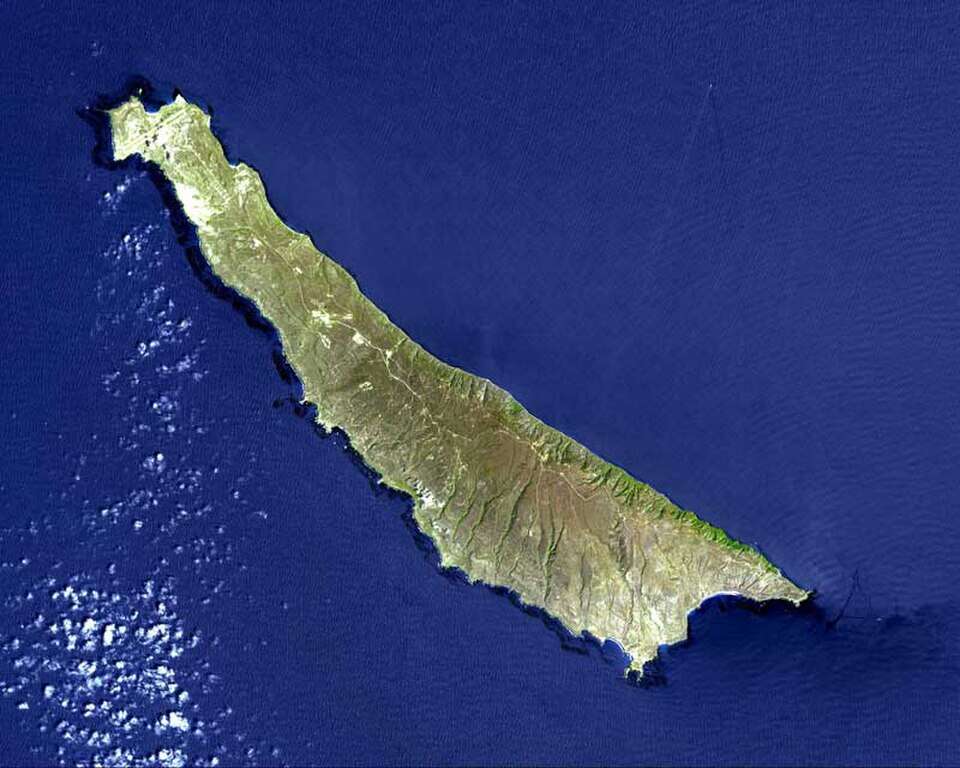
According to the Santa Barbara Botanic Garden , San Clemente Island, the southernmost of California's Channel Islands, lies about 110 kilometres off the coast of San Diego. Historians believe goats first reached the island during the Spanish colonial period, probably in the 16th or 17th century, although later introductions almost certainly occurred as well. With no large predators and a mild Mediterranean climate, the population grew rapidly over the following centuries.
By the early 1970s, surveys estimated that around 6,000 goats occupied the island. Heavy grazing transformed much of the landscape. Native shrubs and grasses disappeared from many areas, soils became increasingly exposed to erosion, and several endemic plants and animals declined sharply. Four plant species, two bird species and one reptile eventually received threatened or endangered status, with habitat destruction by goats recognised as a major factor. The Navy launched a systematic eradication programme in 1972 to restore the island's unique ecosystems.
Eradicating the goats proved far more difficult than expected. Hunting and trapping reduced the population substantially, but small groups survived in inaccessible canyons and cliffs. As goat numbers declined, reproduction improved because food became more abundant. Researchers found high survival rates and good physical condition among the remaining animals, showing how populations can rebound when competition eases. According to the Wildlife Society Bulletin , managers later adopted the “Judas goat” technique, fitting radio collars to sterilised goats that sought out surviving herds and helped locate the animals. Between 1989 and 1991 alone, more than 260 goats were eliminated before the island was finally declared free of feral goats. The eradication brought major ecological changes, but it also left behind an unexpected legacy: some goats had been captured and relocated rather than killed, allowing their lineage to survive away from San Clemente Island.
The genetic legacy
While the eradication programme was widely regarded as a conservation success, hundreds of captured goats had been relocated to farms and breeders across the United States. There, they continued to reproduce, allowing the lineage to survive away from San Clemente Island. Over time, these animals and their descendants became known as the San Clemente goat.
Decades later, genetic research showed that the goats were genetically distinct from modern livestock breeds, retaining characteristics associated with early Iberian goats brought to the Americas from Spain. Their long isolation on San Clemente Island had helped preserve genetic traits that became less common in other goat populations through crossbreeding. Today, the San Clemente goat is recognised as a distinctive heritage breed in the United States.
Conservation's difficult balancing act
According to the U.S. Geological Survey (USGS) , feral goats can be highly damaging to oceanic island ecosystems. Their grazing and trampling can alter vegetation, accelerate soil erosion and degrade habitats, with particularly serious consequences for native species that evolved without large grazing mammals. San Clemente Island became a clear example of this problem, as introduced goats contributed to habitat degradation and placed several endemic species under pressure.
Removing the goats was therefore an important step in protecting the island's native ecosystem. Following eradication, conservation efforts could focus on restoring damaged habitats and protecting species that had been affected by decades of grazing. The recovery also demonstrated that removing an invasive herbivore can allow native vegetation and wildlife to rebound.
However, the San Clemente goats also offer a reminder that conservation does not always have a simple ending. Once valued mainly for their role in damaging the island’s native habitats, the animals later gained importance as a rare heritage breed. Their survival on the mainland has allowed breeders to maintain characteristics that trace back to the goats brought to the Americas centuries ago. This contrast underscores how the conservation value of a species can change dramatically when it is considered outside the ecosystem where it became a problem.