
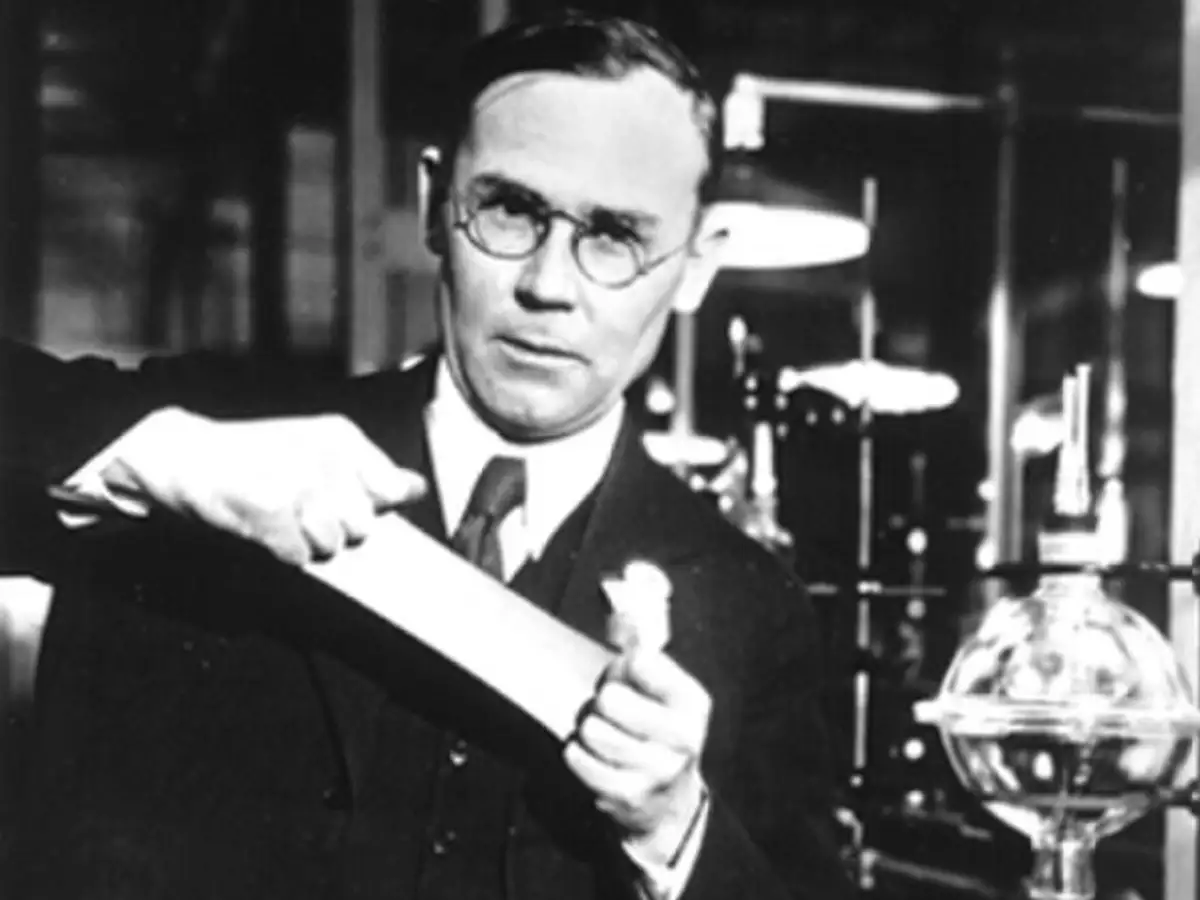
In the early 1930s, chemist Julian Hill came across something unexpected while working on synthetic polymers at DuPont. The material he was handling was gooey and sticky, sort of like warm taffy; it could be drawn out into threads. But here's where things got interesting: after it cooled, the thread became stretchier and tougher. At first glance, it seemed like just an odd find in the lab. Little did anyone know that this tiny detail ended up leading to the creation of nylon, a hugely influential synthetic material from the last century.
This breakthrough wasn't about having a eureka moment for a finished product right away, instead, Hill figured out how to make a lab-made polymer useful, turning it into fabric. That one insight transformed textiles, manufacturing, and everyday items we use all over the globe. So, what started as a minor observation turned into a big deal in the world of materials science and production.








.jpeg?w=600)




