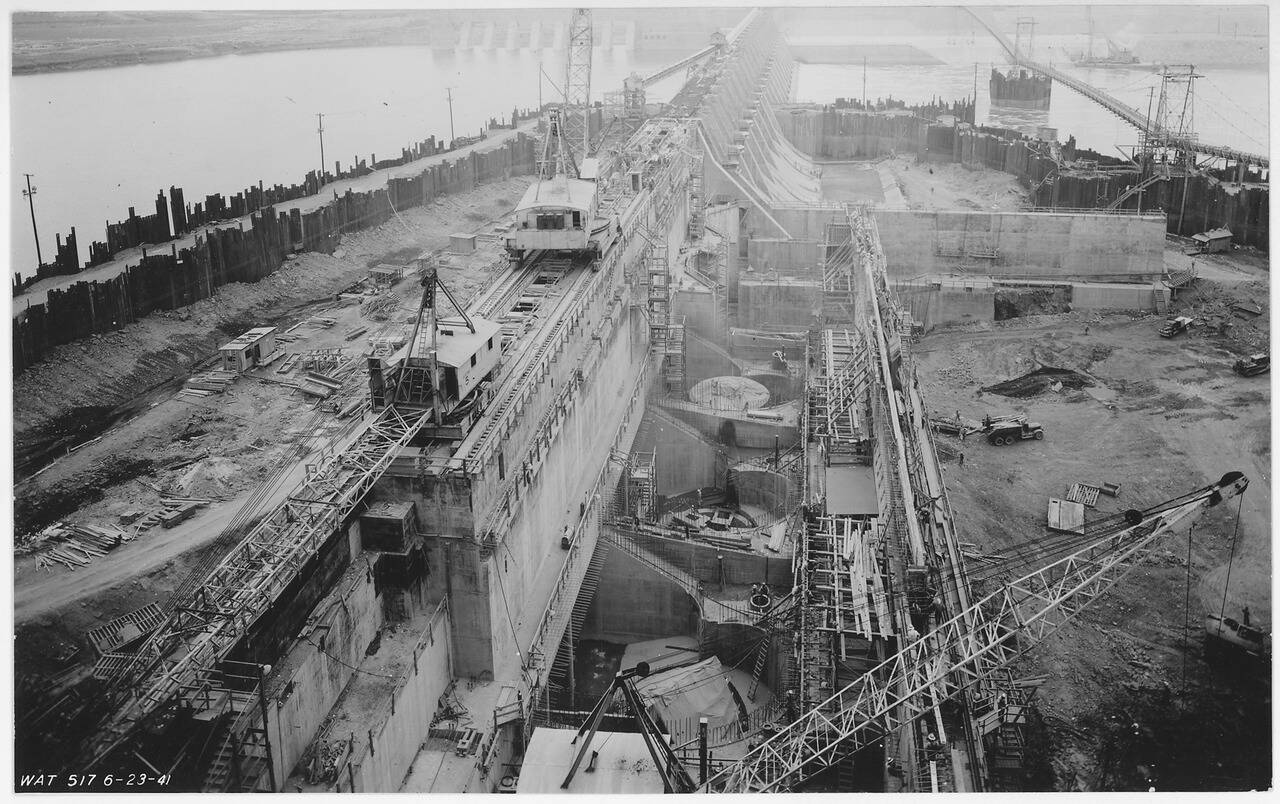
During the establishment of the TVA by the US government in 1933, the Tennessee Valley was one of the areas within the country that had faced great economic hardships. Many communities relied heavily on agriculture but struggled with recurring floods, weak infrastructure, limited industrial activity and poor access to electricity. The programme was launched to address these long-standing challenges through large-scale public investment.
Get breaking news anytime, anywhere. Download the TOI app now!
The TVA is widely studied as an example of how large public investments can shape a region’s economic path. In a National Bureau of Economic Research working paper, economists Patrick M. Kline and Enrico Moretti examined the effects of the programme over nearly a century. Their research found that some agricultural benefits from TVA support faded over time, but manufacturing growth continued because the infrastructure helped industries develop and stay connected.
The improvements introduced through the TVA made it easier for businesses to operate and encouraged industries to invest in the region. Better infrastructure and access to reliable electricity created conditions that supported long-term economic activity beyond farming.
The way the TVA paved the way for the growth of industry
With basic infrastructure in place, the region became more attractive to both households and businesses. Reliable electricity improved daily life for residents while also allowing factories and other industries to operate more efficiently.
The TVA was introduced during the Great Depression, when unemployment and economic uncertainty were high. The programme was a major government effort to use infrastructure projects to create jobs and encourage development. The research by Kline and Moretti highlighted that one of the most important long-term effects of the TVA came from its role in encouraging manufacturing growth rather than from the dams alone.
The improved infrastructure attracted industries that needed reliable electricity and stronger transport links. As factories grew, they created demand for suppliers, skilled workers and supporting businesses. Over time, this helped create industrial clusters, where companies benefited from being located near other businesses and resources.
The researchers compared areas affected by TVA projects with similar regions that did not receive the same level of intervention. Their findings showed that manufacturing employment increased in TVA areas and that these gains continued for decades. The study suggests that the combination of infrastructure and industrial development created economic advantages that lasted beyond the period of direct government investment. As well as having goals like flood prevention and production of electricity, it was part of the factors that contributed to the development of industries and growth of the local economy.
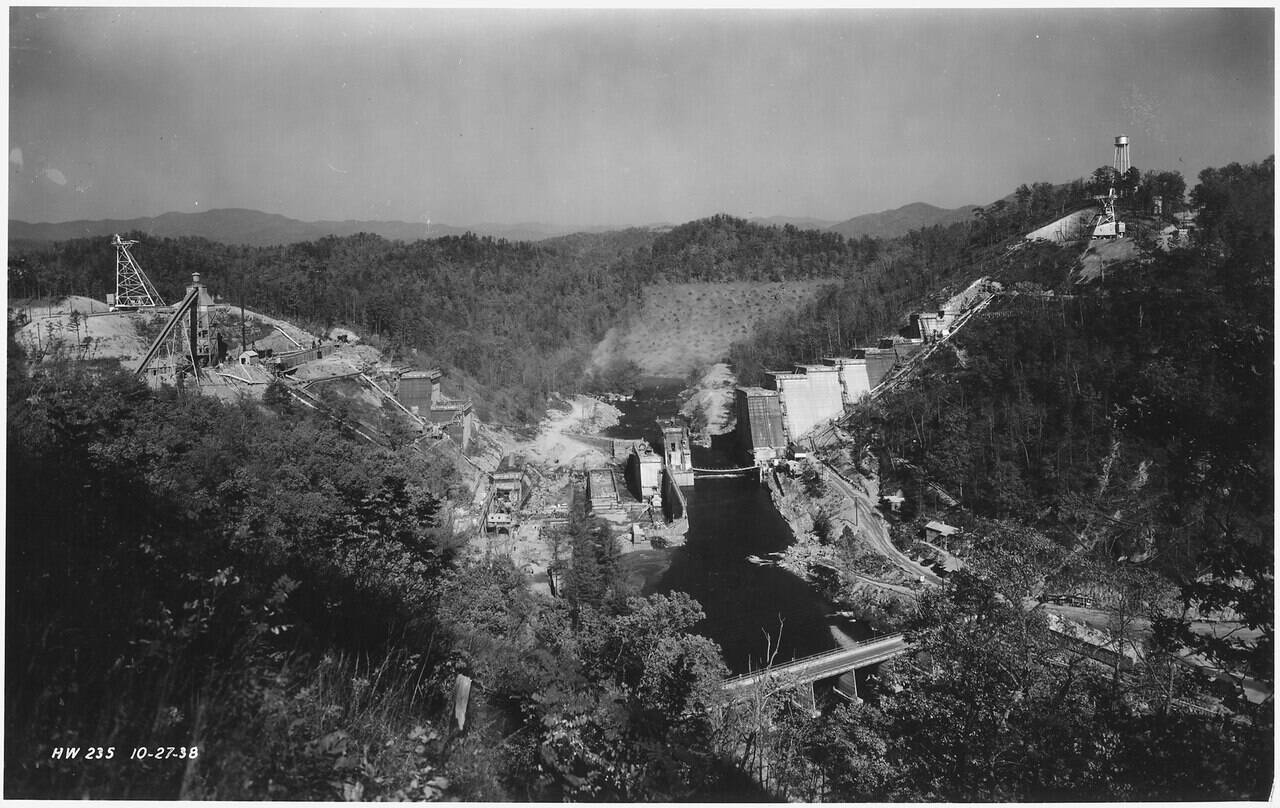
A final lesson in the transformation of the Tennessee Valley
The TVA did not solve all the economic problems that were present in communities of the region. The programme also did not have equal effects on all the places. But it contributed to the growth and development of the area through industrialisation.
One key finding from the NBER study was that government investment can have lasting effects when it lays the groundwork for private-sector growth. The TVA’s influence was tied not only to dam construction or New Deal spending. Its wider impact came from creating conditions that allowed businesses to establish and expand. Electricity networks, transport links and other public facilities often become the foundation on which industries and communities grow.
More than ninety years after the first TVA projects began, the study suggests that parts of the region continued to benefit from the industrial base that developed during that period. Areas that experienced stronger manufacturing growth retained economic advantages even after the original wave of government investment had ended.