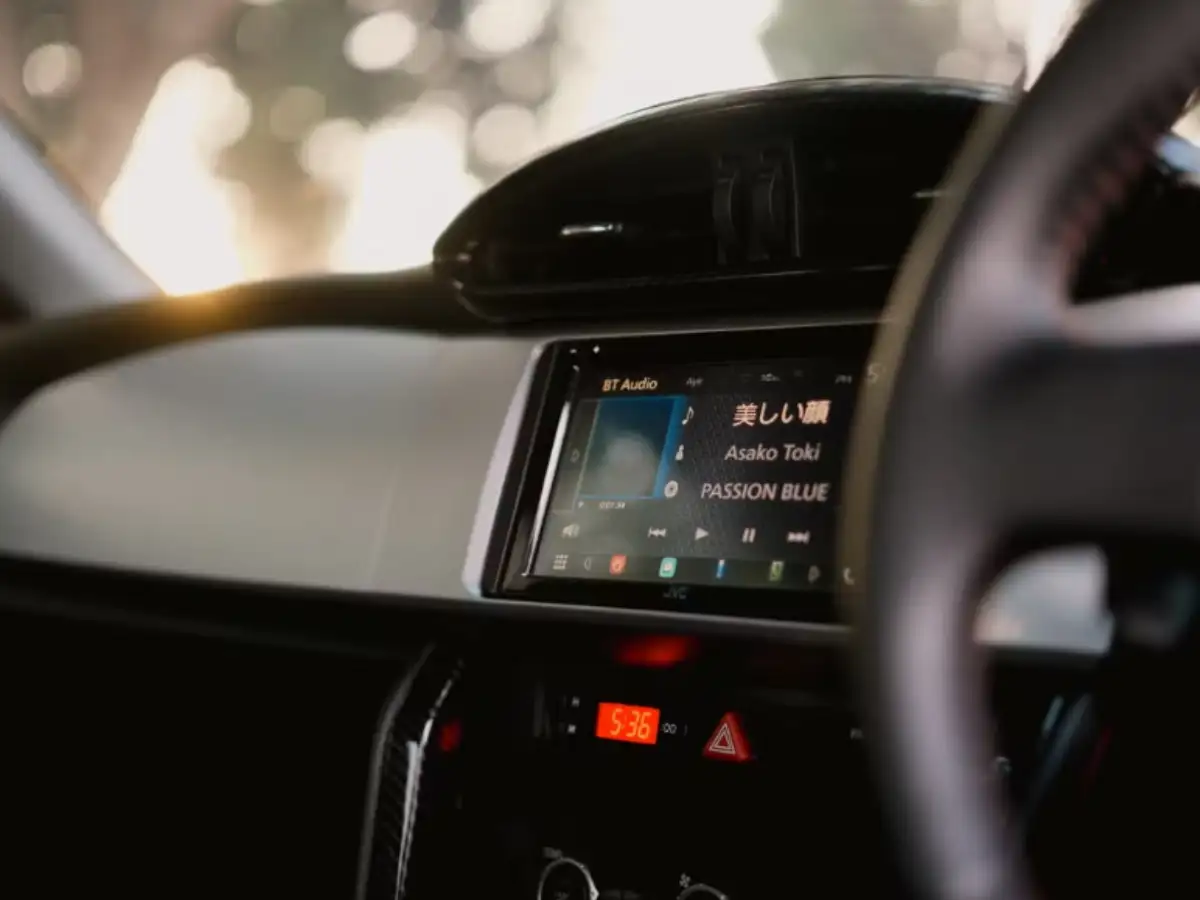
By the late 1920s, automobiles had already transformed American life, changing how people traveled, where they spent their leisure time, and how communities connected over greater distances. Yet driving itself remained a relatively quiet experience, shaped mostly by engine noise, traffic sounds, and conversation among passengers.
That changed in 1930 when brothers Paul and Joseph Galvin introduced one of the first commercially successful car radios, bringing broadcast sound directly into the automobile. The invention arrived at a moment when Americans were spending more time on the road than ever before, and it quickly altered the emotional experience of travel.
Historical research from the Library of Congress , along with studies of transportation culture published in journals such as Transfers , suggests that the car radio helped transform the automobile from a machine designed primarily for movement into a personal social space where entertainment, information, and travel could coexist.