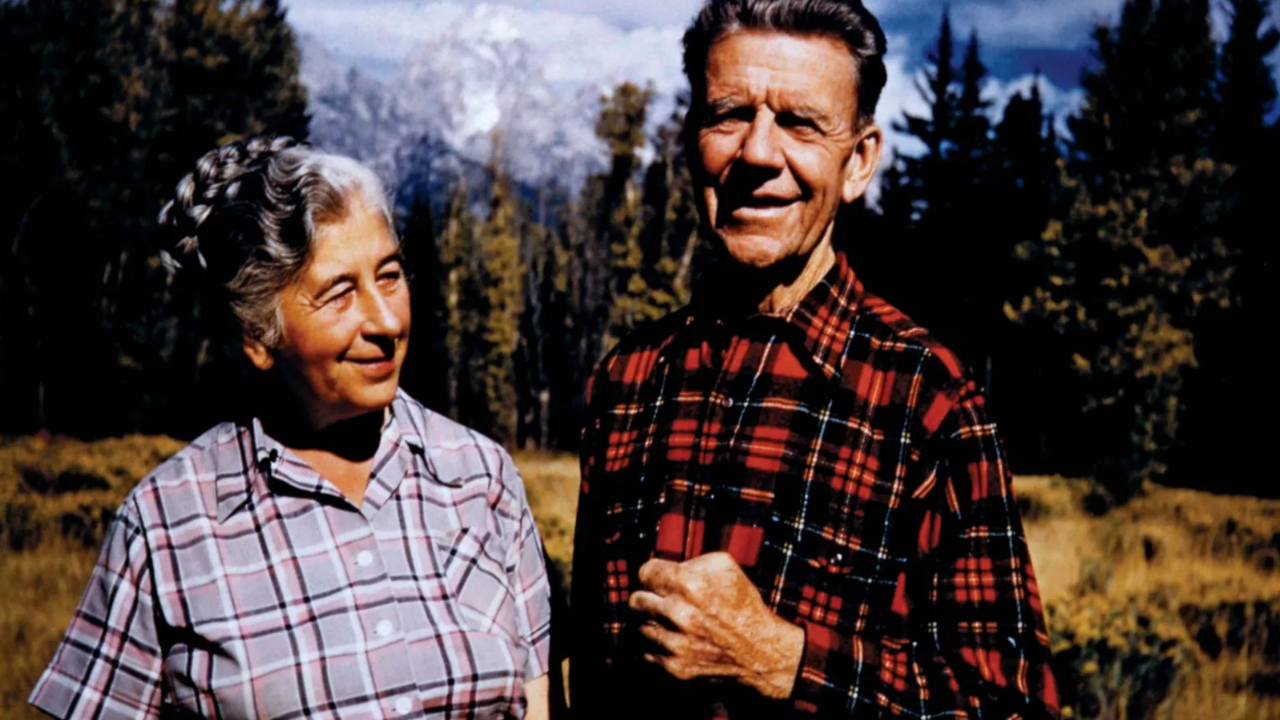
The morning after Margaret “Mardy” Murie married wildlife biologist Olaus Murie in August 1924, there was no train to catch or seaside retreat waiting. Instead, the newlyweds loaded provisions onto dog sleds and set off into Alaska’s remote Brooks Range on a months-long expedition to study migrating caribou. By the time the journey ended, they had travelled more than 500 miles by boat and dogsled through some of North America’s harshest landscapes, collecting wildlife observations while camping in extreme Arctic conditions. The trip marked the beginning of a partnership that would influence American conservation for decades. According to the U.S. Fish and Wildlife Service , Mardy served as an unofficial field naturalist during the expedition, cataloguing small mammals while assisting Olaus with his research on Arctic wildlife.
Get breaking news anytime, anywhere. Download the TOI app now!
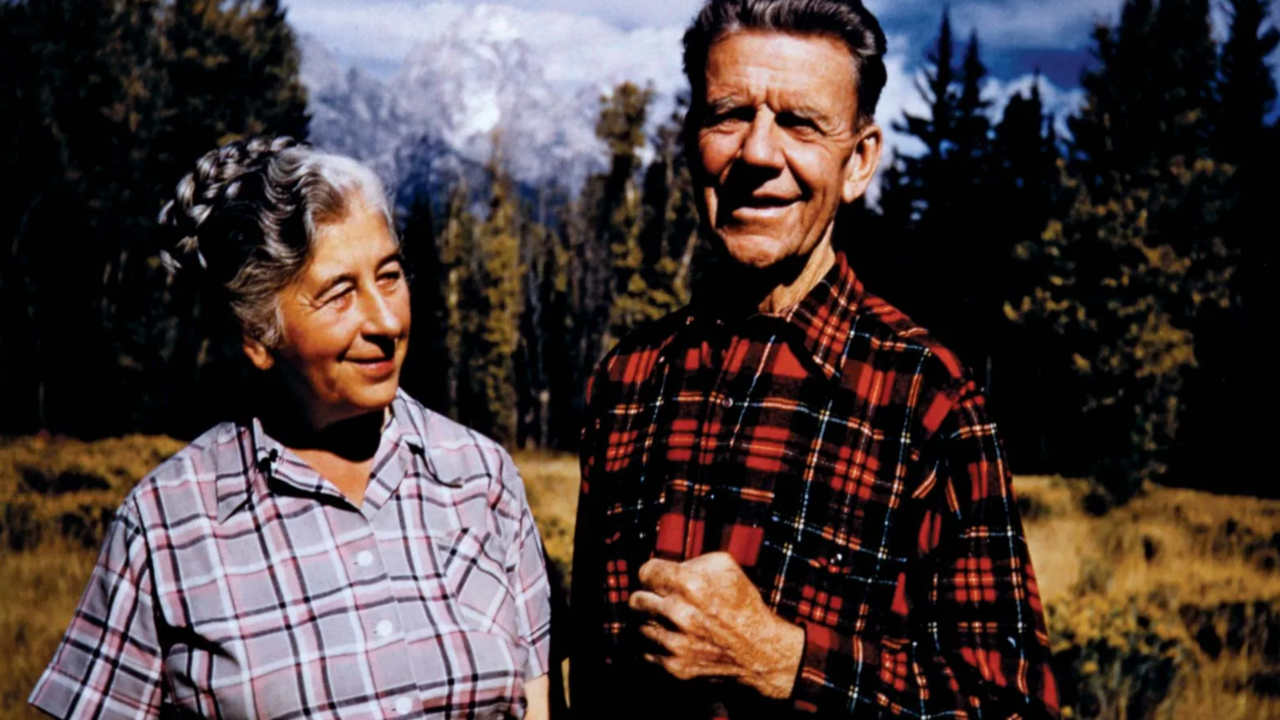
A honeymoon that became a conservation mission
Mardy’s connection to Alaska began long before that famous expedition. Since she was raised in Fairbanks after moving there as a child, she developed an early appreciation for the state’s vast landscapes and wildlife. In 1924, she became the first woman to graduate from what is now the University of Alaska Fairbanks. Just months later, she travelled nearly 800 miles down the Yukon River to marry Olaus in the village of Anvik, according to WYOHISTORY . Rather than celebrating with a traditional honeymoon, the couple embarked on an official Biological Survey field expedition across the Koyukuk River region and the Brooks Range, where Olaus was completing a long-term study of Alaska-Yukon caribou. Mardy carefully documented their experiences in journals that later formed the basis of her acclaimed memoir Two in the Far North . The demanding journey also convinced her that protecting entire ecosystems was just as important as studying the animals that lived within them.
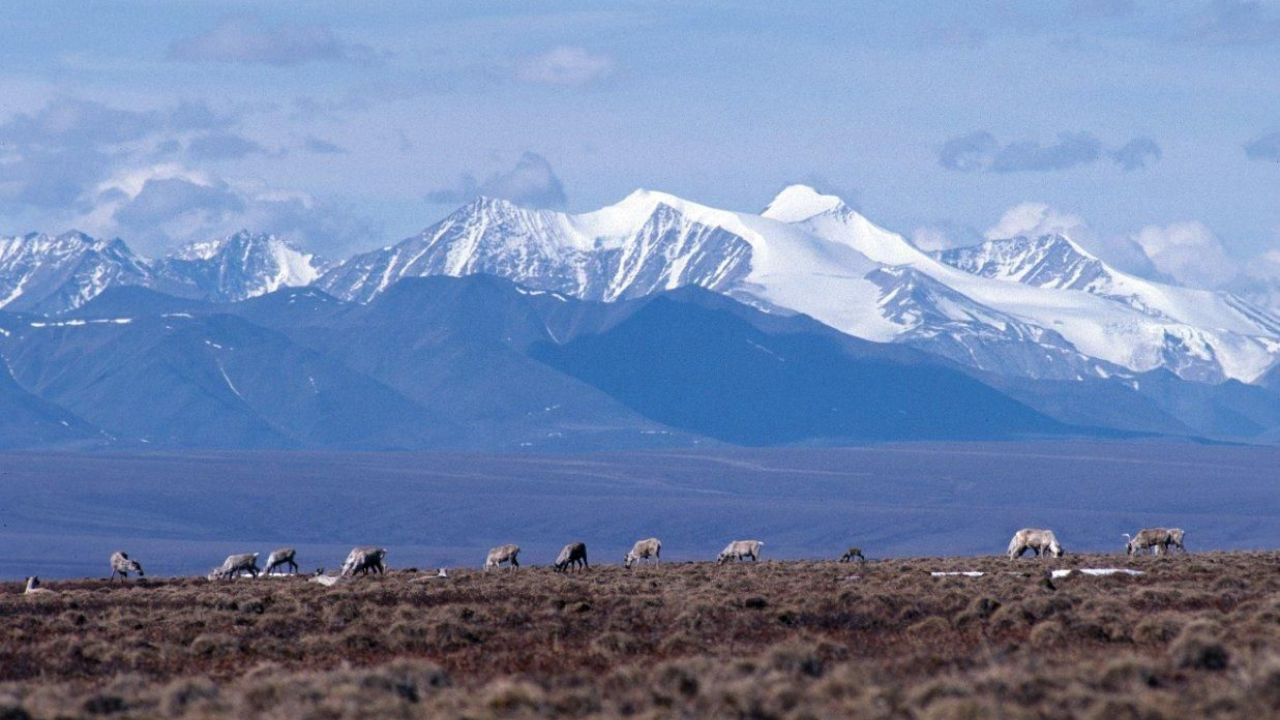
From studying wildlife to protecting wilderness
The Muries’ years in Alaska reshaped how scientists and policymakers viewed wildlife conservation. Rather than focusing on individual species alone, they argued that healthy animal populations depended on preserving the landscapes that sustained them. Olaus became one of the country’s leading wildlife biologists, while Mardy emerged as a powerful public advocate whose writing brought the Arctic’s beauty and ecological importance to a wider audience. After Olaus’s death in 1963, she expanded that role even further, campaigning for landmark conservation measures including the 1964 Wilderness Act and the Alaska National Interest Lands Conservation Act. She also worked alongside fellow conservationists to build public support for protecting Alaska’s northeastern wilderness from large-scale development.
In 1960, the U.S. government established the 8.9-million-acre Arctic National Wildlife Range, the protected area that later became today’s Arctic National Wildlife Refuge. The refuge preserved one of the largest intact Arctic ecosystems in North America, safeguarding habitat for the Porcupine caribou herd, musk oxen, wolves, polar bears, and hundreds of migratory bird species. According to the U.S. Fish and Wildlife Service , both Olaus and Mardy Murie were among the most influential advocates behind the refuge’s creation, helping lay the scientific and public foundation for protecting the region decades before it became an international symbol of wilderness conservation.
More than a century after that remarkable honeymoon began, Mardy Murie remains one of the most respected figures in American conservation history because of her willingness to endure months of travel by dogsled and boat in pursuit of scientific knowledge that eventually evolved into a lifelong campaign to preserve wild places. The Arctic landscapes she crossed as a young naturalist continue to benefit from the protections she spent decades helping secure, ensuring that future generations can experience one of the world’s last great wildernesses.