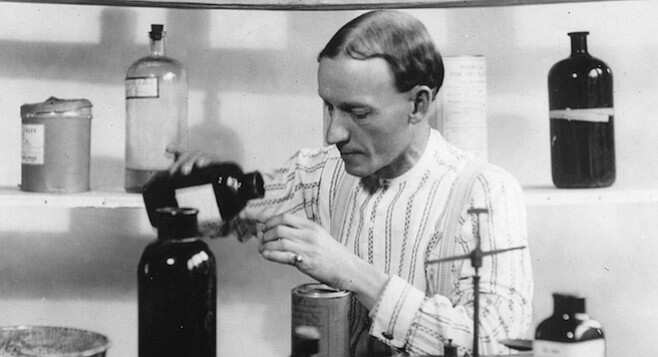
At the start of the 20th century, San Diego was struggling with drought and needed an innovative solution. The rainmaker Charles Hatfield offered an unorthodox solution to their dilemma.
Get breaking news anytime, anywhere. Download the TOI app now!
The JSTOR Daily article When San Diego Hired a Rainmaker a Century Ago, It Poured tells the story of Charles Hatfield. The article explains how Hatfield persuaded San Diego officials of his rainmaking claims, set up his apparatus near Morena Reservoir, and was soon followed by heavy rain in the region.
The rainmaker claimed he could solve the water problem
At the beginning of the twentieth century, San Diego needed additional water sources because of its rapid growth. The city was dependent on rainfall and reservoirs, and dry conditions led to concerns about future supply. In this era, Charles Hatfield claimed that he had found a way to induce rain.
Hatfield claimed that he could attract rainfall using a secret chemical mixture placed in a tower. His method was not based on established weather science, but he drew attention by promising to raise water levels at Morena Reservoir.
According to JSTOR Daily, San Diego officials agreed to pay Hatfield if rainfall reached a level that helped fill the reservoir. Hatfield set up his apparatus near the reservoir in late 1915. Soon afterwards, rainfall increased across the region. As storms continued, the amount of rain exceeded what many people expected. To some observers, the timing seemed to support Hatfield’s claims. No scientific evidence could be found to prove that Hatfield’s actions had led to rainfall.
When rainfall created a disaster
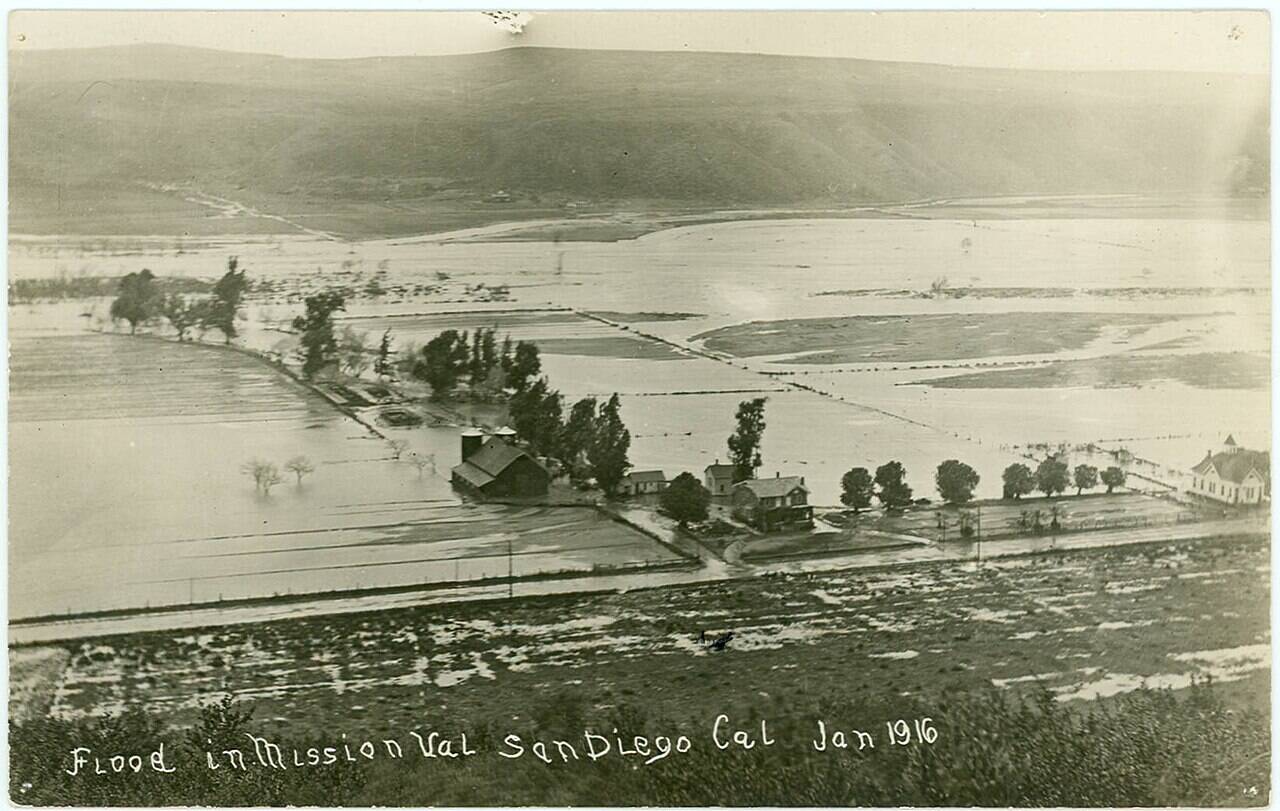
Rainfall that resulted from Hatfield’s actions did not help in solving San Diego’s water problem but brought flooding rains. One of the worst events came in January 1916, when the Lower Otay Dam failed. The collapse released floodwaters that caused widespread destruction nearby. The disaster became closely linked to Hatfield’s story because of its timing, although the dam failure also reflected extreme weather and the limits of the infrastructure.
Before the floods, Hatfield had attracted supporters who believed his method had brought the rain. After the storms caused damage, public opinion became more divided. Some residents questioned whether Hatfield should receive the city's promised payment.
According to the JSTOR Daily account, San Diego officials ultimately refused to pay Hatfield, arguing that no formal contract had been signed and that paying him could expose the city to liability for the flood damage. Hatfield said he had done what he promised and could not be held responsible for the storms' intensity.
The conflict went on as each side had its own interpretation of the events. The proponents viewed the rain as evidence of Hatfield’s skill, whereas the sceptics considered it a random occurrence that was brought about by natural weather conditions.
A hundred-year-old tale of hope and uncertain weather
During drought periods, people often look for unusual solutions. A person’s arrival before a major storm does not prove that they caused it. In Hatfield’s case, the timing of the rainfall was intriguing, but it did not prove that his methods influenced the weather.
The JSTOR Daily article presents the episode as a reflection of an era when weather-control ideas captured the public imagination. When forecasting methods were far more limited than they are today, promises of controlling rainfall could seem especially appealing. It is not only the story of one man who claimed he could make rain, but also of how communities make decisions under pressure.
The factors that determine rainfall, droughts, and storms are based on complicated natural occurrences that are hard to regulate. Charles Hatfield became identified with one of the most famous weather stories in American history. Regardless of whether one may view him as a rainmaker or just a fortunate individual, his tale is still shrouded in mysteries of faith and facts.