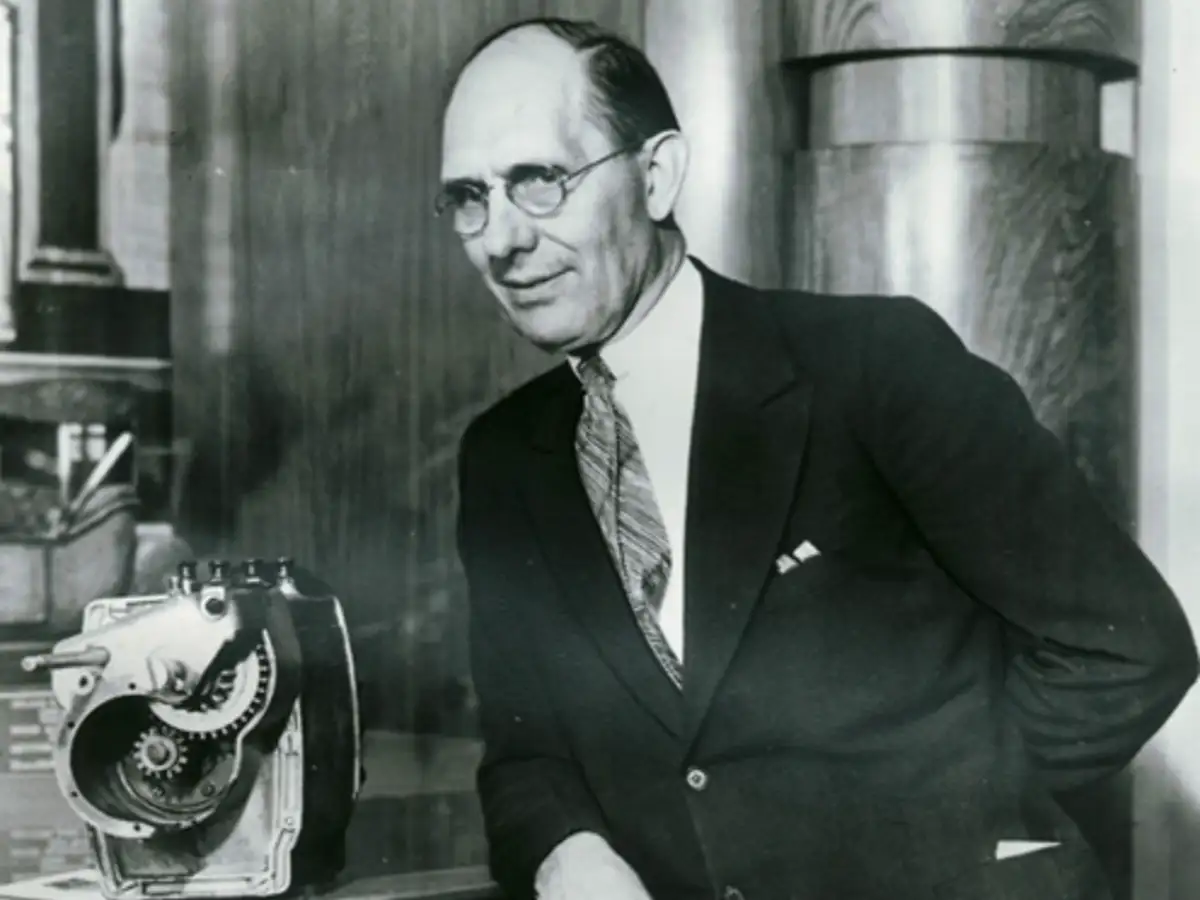
For early motorists, getting a car moving was often the most difficult part of the journey. Before electric starters became common, drivers had to stand at the front of the vehicle and crank the engine by hand, a process that could be physically demanding and, in some cases, dangerous.
Broken wrists, arm injuries, and sudden kickbacks from the crank were well-known risks during the early years of motoring. In 1912, Cadillac introduced an electric self-starter developed by inventor Charles F. Kettering, a change that historians now regard as one of the most important practical improvements in automotive history.
The device did not make cars faster or more powerful, but it removed one of the biggest obstacles to everyday driving and helped transform the automobile from a machine that required strength and technical confidence into one that ordinary people could use with far greater ease.