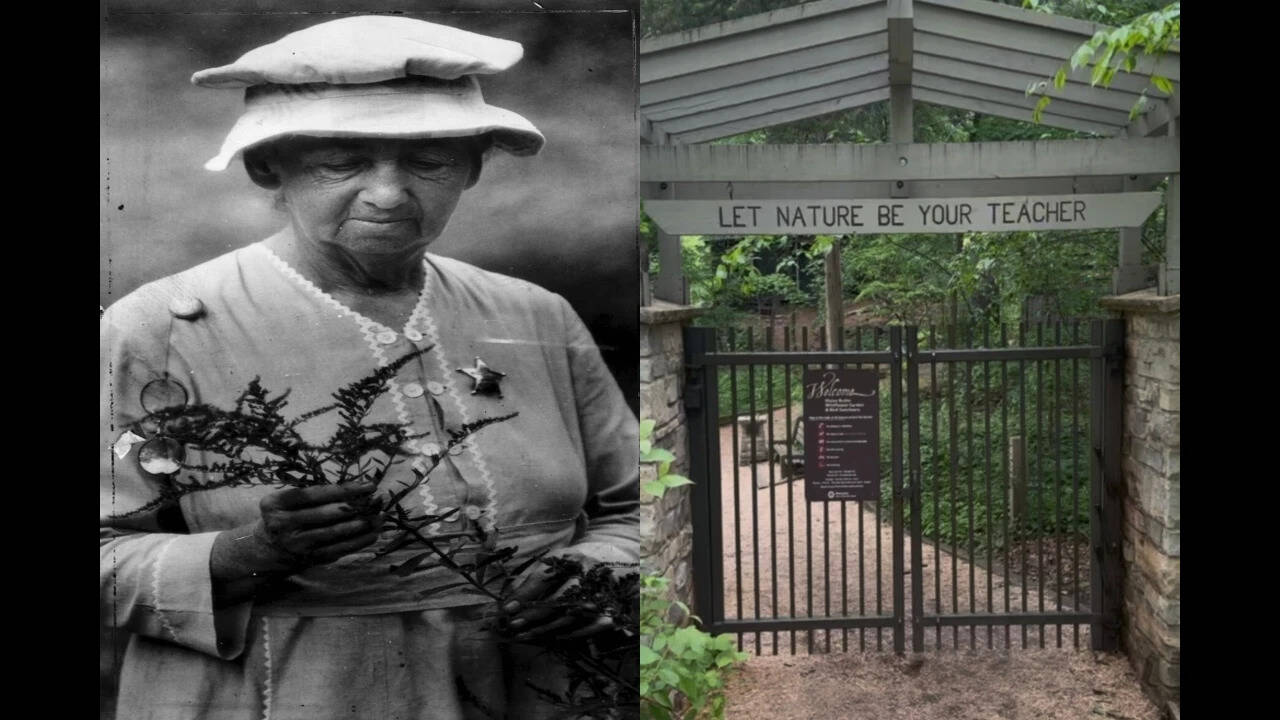
In 1907, Minneapolis high school botany teacher Eloise Butler grew concerned about rapid urban expansion encroaching on local ecosystems. As Minneapolis expanded around its flour mills, lumber mills and residential neighbourhoods, natural spaces where students could study native plants became harder to find. Driven by a desire to preserve native plants and give students a place to study them in their natural surroundings, Butler and other Minneapolis botany teachers petitioned the Park Board for a native plant reserve. Her goal was to create a wild, living laboratory where native species could flourish without formal landscaping.
Get breaking news anytime, anywhere. Download the TOI app now!
The three-acre site eventually became the Eloise Butler Wildflower Garden and Bird Sanctuary, which is recognised as the oldest public wildflower garden in the United States. Today, the garden covers 18 acres within Theodore Wirth Regional Park and spans woodland, wetland and upland meadow habitats. Within these microclimates, more than 500 native plant species and over 130 bird species thrive in a protected sanctuary just minutes from downtown Minneapolis.
How Eloise Butler built America's first public wildflower sanctuary
Eloise Butler was born in Maine in 1851 and moved to Minneapolis in 1874 to teach botany at Minneapolis Central High School. Through years of teaching and field study, she saw how the city's growth was making natural areas harder to find and limiting opportunities for students to study native plants in the field. When the city granted her request in 1907 to establish the "Native Plant Reserve", Butler personally took charge of stocking the site. After retiring from teaching in 1911, Butler was officially appointed the garden's first curator.
As documented by the Minnesota Historical Society , Butler took a different approach from the formal gardens common in city parks, allowing the site's natural conditions and native plant communities to shape its design. Her garden records documented the plants she introduced, along with observations of wildlife and changing conditions. Her writings describe differences in soil, moisture and light across the site and how those conditions affected the plants she cultivated. In 1915, the park board built a small wooden cabin designed to Butler's specifications. It served as her garden office and later as a visitor centre and shelter. Butler served as the garden's dedicated caretaker until she died in 1933 at the age of 81, collapsing while on her way to work in the garden. After her death in 1933, her ashes were spread in the garden she had spent decades developing.
Three distinct ecosystems inside a compact sanctuary
The garden's diversity comes from its mix of wetland, woodland and upland habitats in a compact area. The wetland includes a tamarack bog and areas shaped by streams, springs and persistently wet soils. This wetland environment supports moisture-loving native species such as skunk cabbage, wild calla, marsh marigold and pitcher plants. It is also a sanctuary for Minnesota's state flower, the showy lady's slipper orchid (Cypripedium reginae), which blooms in pink and white every June.
Surrounding the low-lying bog is an old-growth woodland dominated by mature hardwood trees, sugar maple, and basswood. This woodland canopy shelters shade-tolerant spring ephemerals that bloom briefly before the trees fully leaf out, including bloodroot, Dutchman’s breeches, hepatica and white trillium. Higher up the slope, the terrain opens into a restored upland prairie ecosystem. Here, prairie grasses such as big bluestem and sideoats grama grow alongside wildflowers, including purple coneflower, compass plant and butterfly milkweed, providing habitat for native bees, swallowtail butterflies and monarch butterflies.
Why a century-old sanctuary matters for urban biodiversity
More than a century after its founding, the garden continues to provide protected habitat within a heavily developed urban landscape. Its combination of trees, shrubs, wetlands and open meadow provides nesting, feeding and resting areas for a wide variety of birds. Local naturalists regularly document more than 130 bird species in the sanctuary, including pileated woodpeckers, scarlet tanagers, indigo buntings, fox sparrows and barred owls.
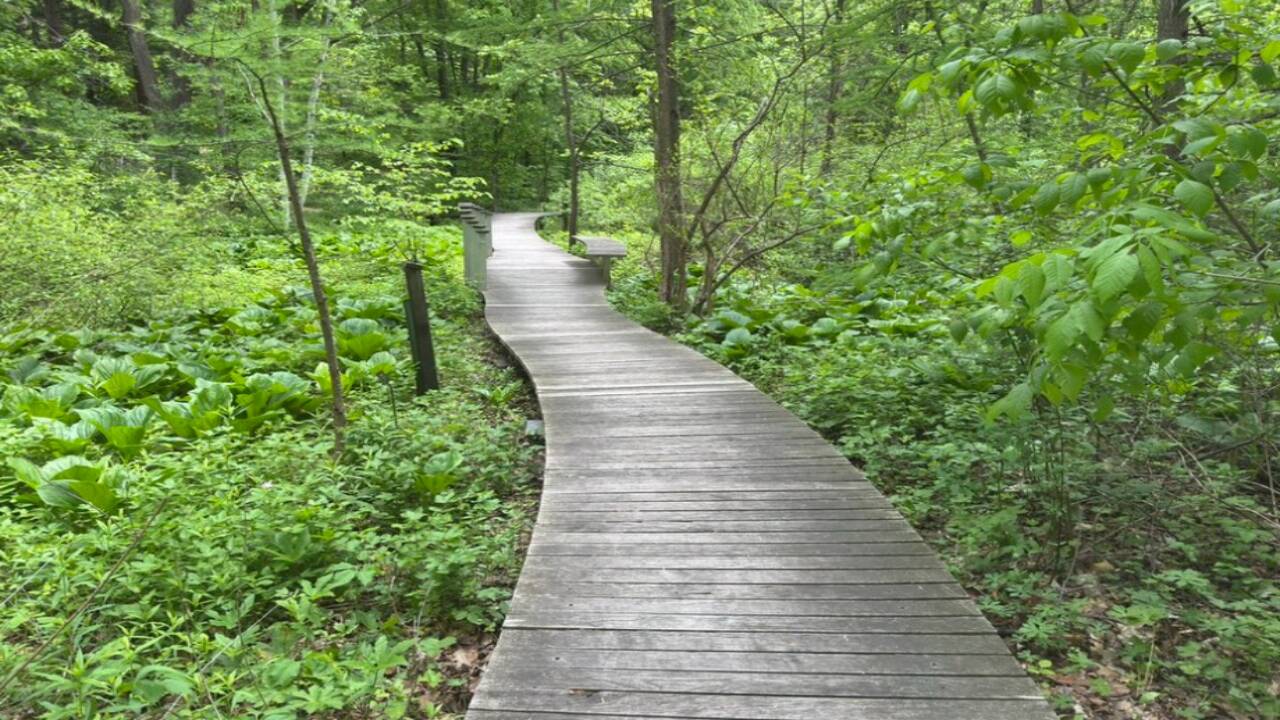
After Butler's death, later curators, including long-serving naturalist Martha Crone, expanded the garden and introduced educational programmes that continue today. Modern visitors can explore the garden along winding trails and a boardwalk through its wetland areas. Today, the garden supports conservation, native-plant management and environmental education. Eloise Butler’s century-old living laboratory shows how early grassroots conservation initiatives can preserve urban natural spaces.