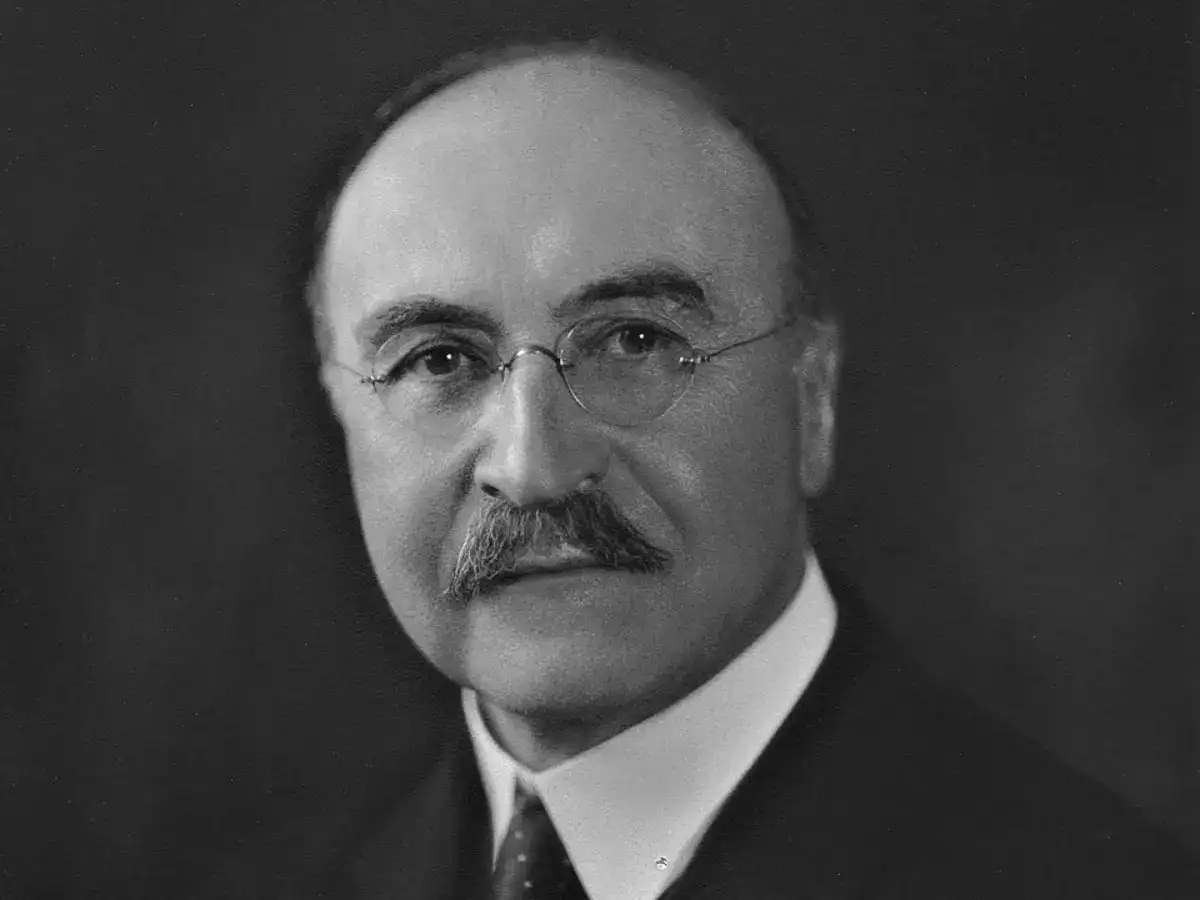
Leo Baekeland, who was working as a chemist in 1907, had an important task at hand. Shellac, a natural, biodegradable resin, used as a wood finish, a sealer, and an FDA-approved glaze in the food and pharmaceutical industries, was fast becoming hard to come by. The electrical industry needed an alternative product to use in place of shellac as it was being used to make electric wires. As a result of these efforts, Baekeland ended up discovering which is often referred to as the world's first plastic material ever created.
This historical fact is significant because it highlights how an industrial need led to the creation of a completely new class of materials. In reality, Bakelite was never intended to be the first synthetic material. This material came about as a result of attempts to create an alternative to shellac during a period when electrification was sweeping through society.
According to American Chemical Society (ACS), Baekeland was carrying out research in his home-based laboratory regarding the use of soluble resins in creating products that were comparable to shellac. The main goal was to find an alternative for shellac.
Why shellac was causing problems
Shellac was one of the most common types of material used for electrical insulation at the beginning of the 20th century due to its ability to withstand moisture and provide additional protection to wires. However, shellac was a product obtained from natural sources, and thus, it was unable to meet all demands of industries.
While providing a short history of Bakelite, the ACS mentioned on its website that Baekeland was seeking to solve an industrial bottleneck problem and not inventing a modern plastic. This information provides the understanding of how industry needs are able to drive discoveries.
At first, Baekeland tried creating resin similar to shellac. However, during his further experimentation with the new product, he understood that the resin could be made much harder, stronger, and even more moldable than any natural one. It was a turning point.
The moment when the experiments grew larger
Baekeland's research started transforming from coating experiments to working with molded products. The newly discovered resin could be heated, molded, and hardened to create durable products. Unlike previous materials, this one was made using synthetic rather than natural ingredients. According to the ACS, Bakelite became known as the first true synthetic polymer since it was synthesized by purely chemical methods without any modification of a naturally occurring material.
In this regard, Bakelite differed from previously used industrial substances that were merely improved versions of existing materials. This was the dawn of the design of materials tailored specifically for particular industrial needs. Historians usually mark the year 1907 as the year of the discovery, whereas 1908 marks the start of Bakelite’s industrial success. Such a time frame demonstrates the typical pattern of development of scientific knowledge, which is usually achieved step-by-step rather than overnight.