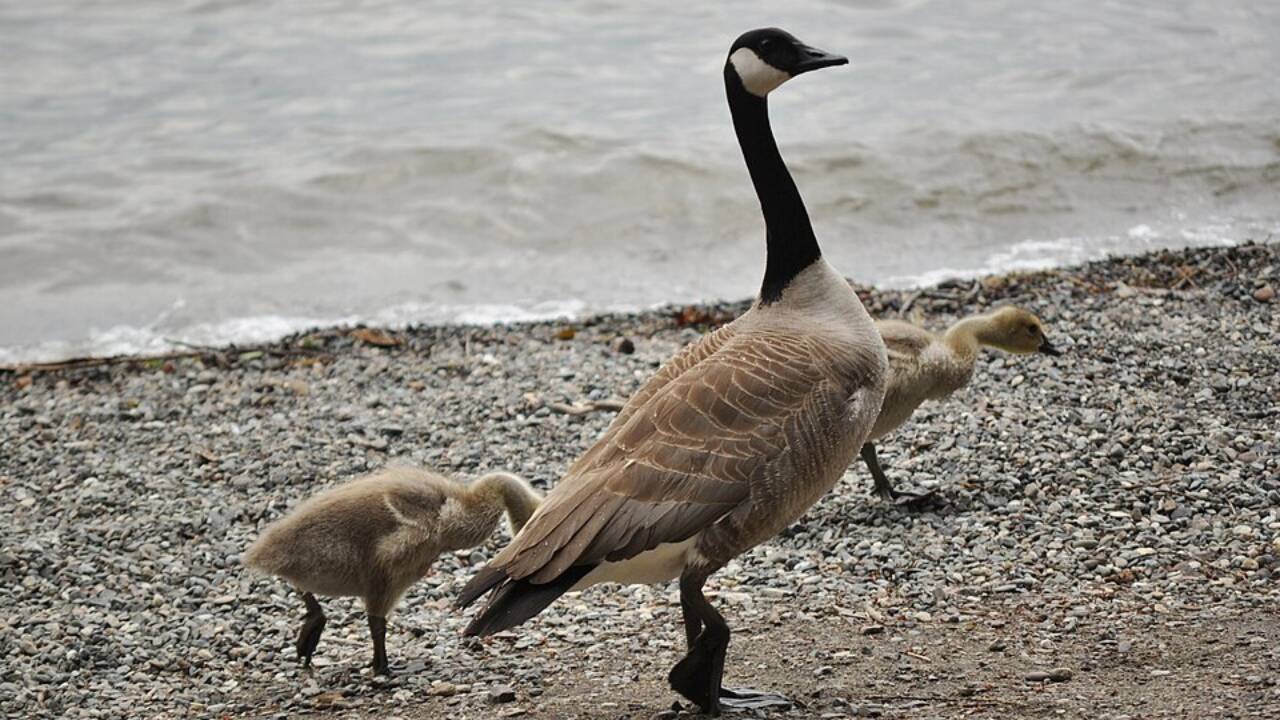
What began as an effort to boost New Zealand’s recreational hunting landscape eventually turned one of the country’s most notable examples of an introduced species into a management challenge. According to Landcare Research’s Review of Canada Goose Population Trends, Damage, and Control in New Zealand , 50 Canada geese were imported from North America and were released in 1905 under full legal protection to establish a game bird population. Notably, the introduction was successful, and within decades the birds had multiplied and spread across most of the country, transforming from prized hunting quarry into a species responsible for widespread damage to farmland, waterways and public spaces.
Get breaking news anytime, anywhere. Download the TOI app now!
An introduction for sport turned into a booming population
According to Landcare Research, previous attempts to introduce Canada geese during the late 19th century had failed, but in 1905, the release of 50 birds established a breeding population that flourished. Notably, the geese were initially granted complete legal protection, thus allowing their numbers to increase, and by 1915, observers reported that the birds were doing well, followed by their observation in the 1920s, where they shared that flocks numbering several hundred birds were already present in Canterbury. Additional introductions further strengthened this bird’s population, while repeated translocations helped establish the birds throughout the country’s South Island before later expansion into parts of the North Island.
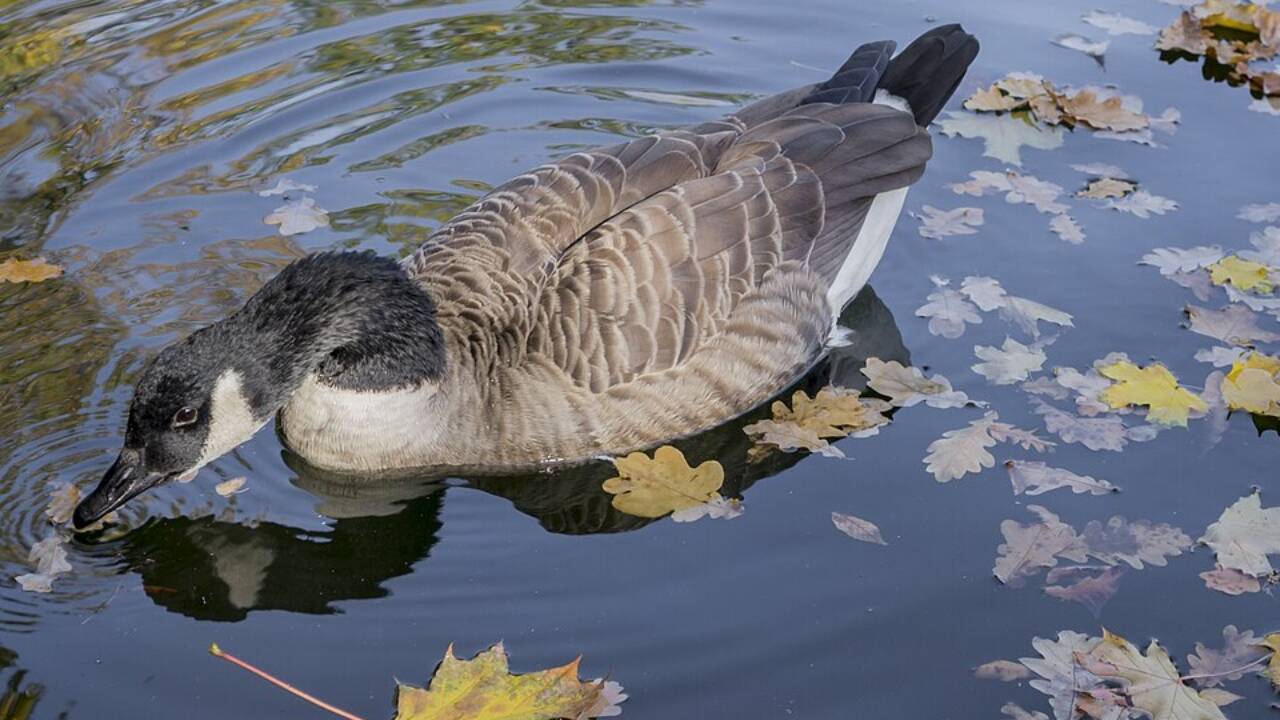
It is worth noting that the birds’ success stemmed largely from New Zealand’s favourable conditions. According to New Zealand Birds Online , the introduced geese, primarily descendants of the 1905 importation, adapted well to the open pasture, lakes and wetlands of the country. Notably, by the middle of the 20th century, Canada geese had become firmly established across most of rural New Zealand, where their expanding numbers increasingly brought them into conflict with farmers.
When protected birds turned into pests
With the goose numbers increasing, the complaints about crop damage and grazing losses started to become more evident. According to Landcare Research, farmers began reporting significant pasture damage, thus prompting authorities to lessen the birds’ legal protection. Large-scale culling operations followed during the late 1940s and early 1950s, with thousands of geese and more than a thousand eggs destroyed in an effort to slow their population growth. However, despite these measures, the species continued expanding as they were aided by habitat changes such as irrigation schemes, reservoirs and improved pasture that created ideal feeding conditions for them.
By the early 2000s, Canada geese were no longer viewed as birds for hunting sports, as according to Landcare Research, they had become significant agricultural and urban pests. Notably, they became significant for fouling parks, golf courses and waterways with droppings, damaging crops, and creating hazards near airports because of their size and flocking behaviour. The review says the New Zealand population is considered to have originated from fewer than 43 birds, and the species population has been maintained at about 60,000 for most of the past decade. Therefore, wildlife managers increasingly faced the challenge of balancing recreational hunting interests with demands from farmers who were seeking stronger population control of the Canada geese. Notably, according to the New Zealand Government, in 2011, the introduced species lost their protected game-bird status, thus allowing landowners greater freedom to control the birds on their properties.