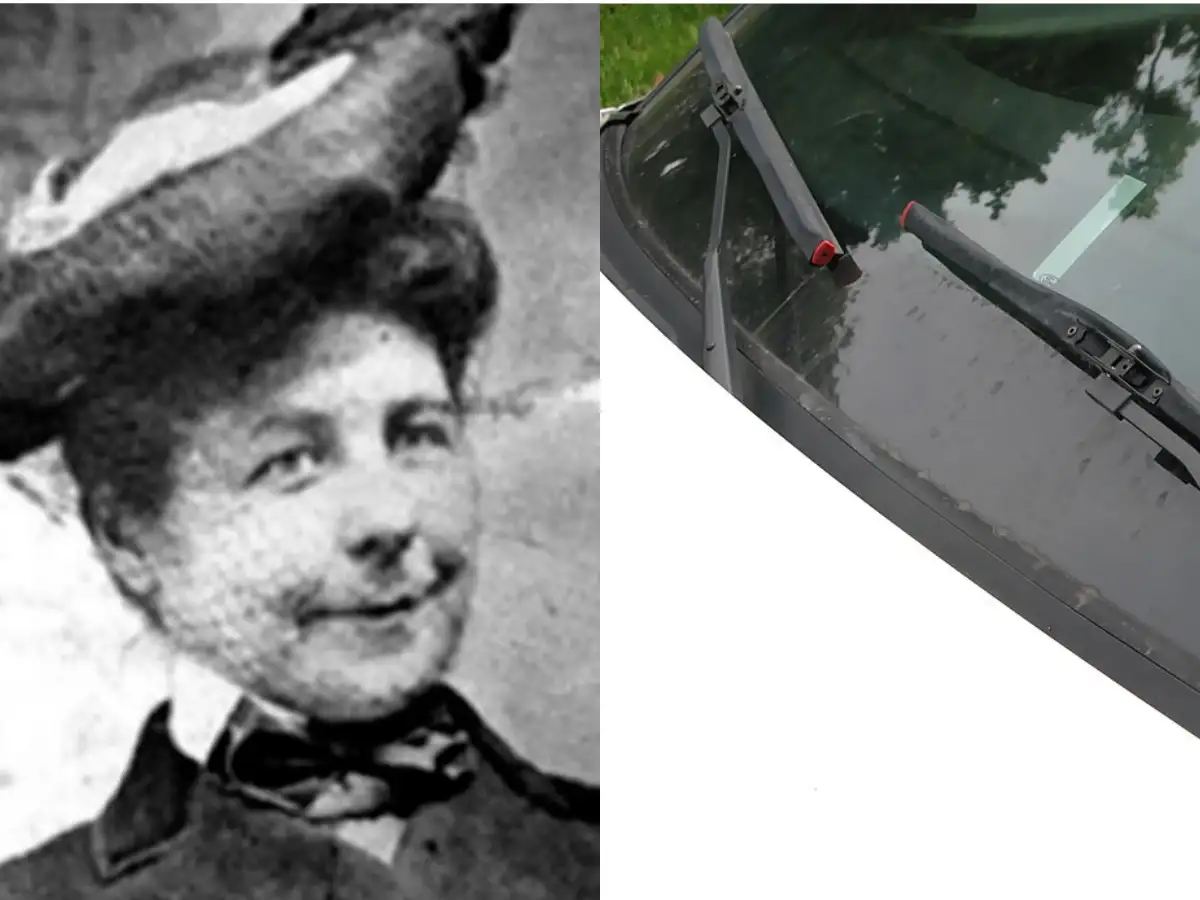
During the winter season in 1903, Mary Anderson was traveling on a streetcar in New York City when it was snowing heavily outside. She saw how often the driver had to stop the car to wipe moisture and slush off the front window of the streetcar. This delayed the journey each time, but the real issue was not this; rather, the problem was that the driver could hardly see anything through the window. She came up with the idea that the driver needed something that would enable him to get rid of the moisture and slush without stopping or getting out of the car.
The most significant aspect of this story is the everyday nature of the inspiration for the invention. Anderson did not have an epiphany in a laboratory or an engineering firm; she simply identified a problem that people took to be common in their daily lives. As per the United States Patent and Trademark Office, Anderson eventually secured a patent for the first windshield wiper, a manually operated mechanism that made it possible to clean the windscreen while the driver was still inside the car.
This part of the story is important because, in those days, early automobiles and trolleys did not provide adequate protection against bad weather. In addition to that, visibility itself was a recurring issue with bad weather such as snow, sleet, rain, and even road spray.