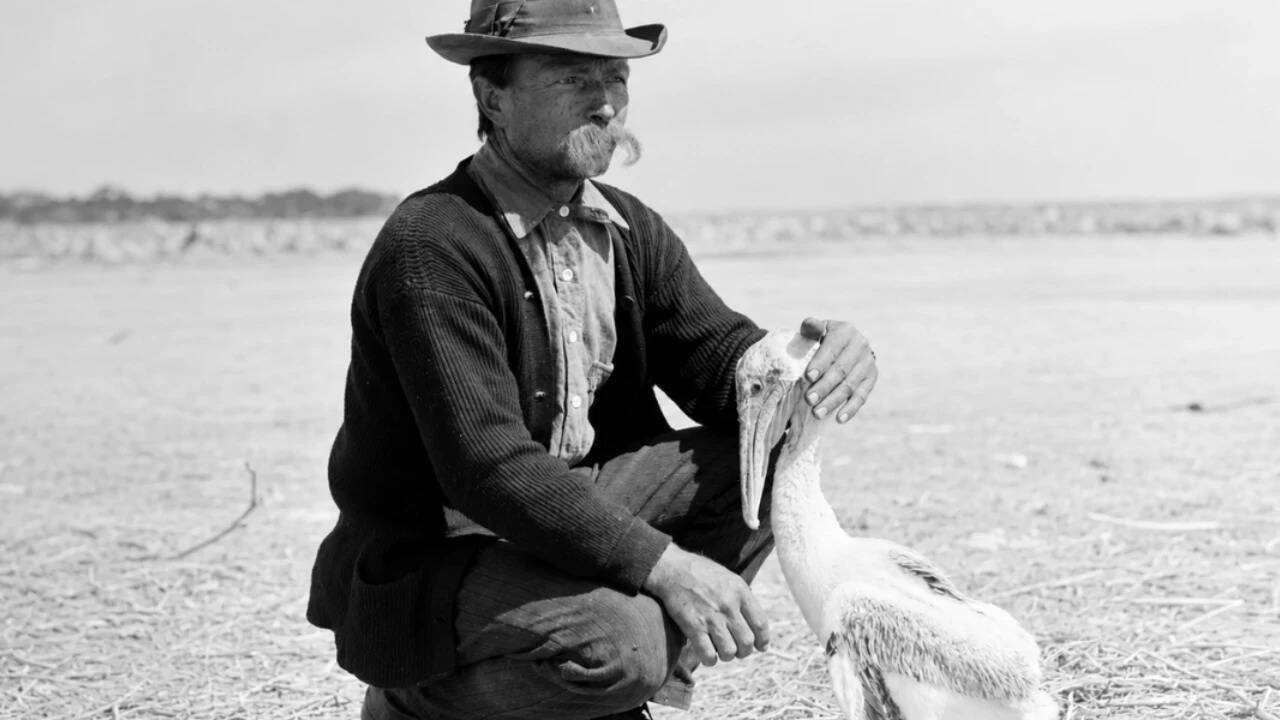
Long before drones and satellite trackers, one man with a rowboat and a shotgun kept watch over a small Florida island that was about five and a half acres at the time. According to the U.S. Fish and Wildlife Service 's own history of the refuge, this simple daily routine helped create America’s first national wildlife refuge in 1903. It was Paul Kroegel, a German-born boatbuilder. The island was Pelican Island, in the Indian River Lagoon near Sebastian.
Get breaking news anytime, anywhere. Download the TOI app now!
A fashion trend that almost killed Florida’s birds
To understand why Kroegel picked up a gun to guard birds, you have to understand the hat trade of the era. The late 1800s was the height of feather fashion. Women's hats were piled high with plumes from herons, egrets and pelicans. In just nine months, the London feather market alone devoured plumes from nearly 130,000 egrets, according to a Smithsonian Magazine report. Plume hunters killed birds by the thousands, often leaving chicks to starve in the nest.
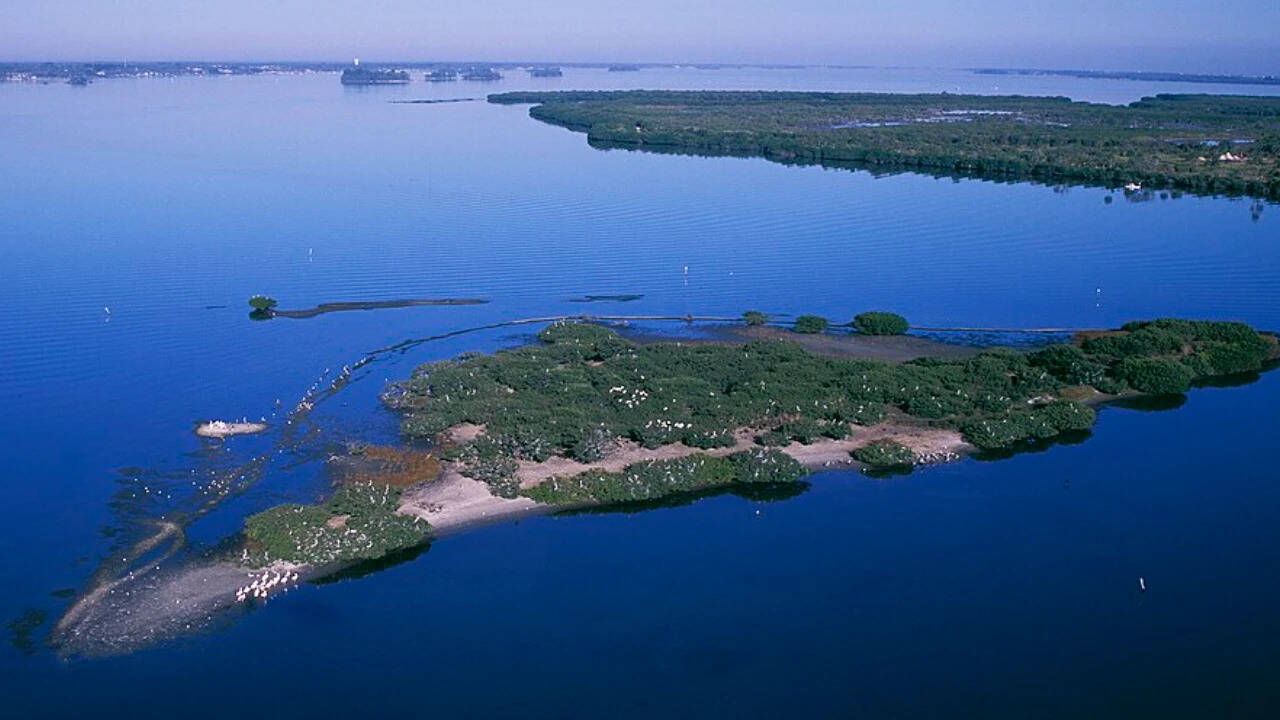
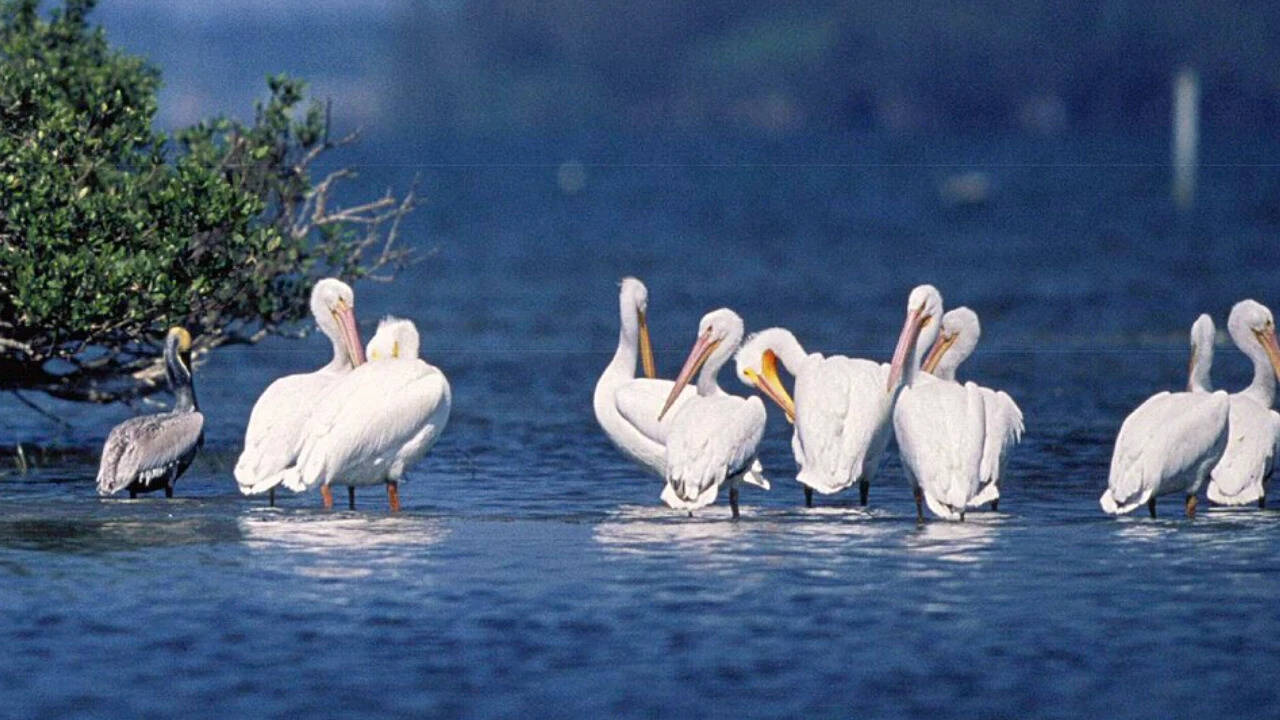
Florida was ground zero for this carnage. Ornithologist Frank Chapman, walking the streets of Manhattan in 1886, saw 40 species of native birds, mostly stuffed or plucked, adorning about three-quarters of the 700 women’s hats he passed, according to an essay on the plume trade from Stanford University . Pelican Island, home to thousands of nesting brown pelicans, became one of the last safe places for them to nest along the Atlantic coast of Florida. That made it a target too.
One boatbuilder decides to fight back
Paul Kroegel came to the Sebastian area with his father when he was about 17 years of age in 1881 and settled on the west bank of the Indian River. From his house, he saw Pelican Island and its birds. He had no official job in protecting them at first. He just decided to. Kroegel would sail out to the island with his shotgun and try to keep hunters and egg collectors away, mostly on his own, for no pay and no legal backup.
His persistence drew the notice of well-known naturalists such as Frank Chapman. The American Ornithologists' Union and the Florida Audubon Society, along with Chapman, began to advocate for real laws to stop the killing.
Roosevelt signs, and history is made
The turning point was on March 14, 1903. President Theodore Roosevelt, encouraged by Chapman and the Florida Audubon Society, signed an executive order declaring Pelican Island the nation’s first federal bird reservation, a small but historic step that launched what would become the National Wildlife Refuge System, according to the refuge’s own history page. Kroegel was hired by the Audubon Society as the island's first warden. He was paid a dollar a month by the Audubon Society. Around a decade later, he formally became a federal employee under the Bureau of Biological Survey, the forerunner of today's Fish and Wildlife Service. Armed with little more than a boat and his shotgun, he kept watch over the island for years to come. Other historical accounts have this arrangement continuing until the mid-1920s.
But Roosevelt didn’t stop there. By the time he left office, the same FWS history notes, he had designated a total of 55 bird reservations and national game preserves around the country, Pelican Island being one of them, establishing the foundation for the refuge system we have today.
Why this tiny island still matters
It’s easy to assume that land and endangered species protections have always been there. They haven't. Pelican Island shows that these protections were initiated by ordinary unpaid effort, well before they were supported by a government programme. What started as one man's boat trips has grown to a system of more than 570 national wildlife refuges throughout the United States today, according to the refuge's own account.
Kroegel’s story suggests that big change does not always start with governments or large institutions. Sometimes it begins with one person who doesn’t look away. Because one boatbuilder decided that a little patch of mangrove was worth fighting for, Pelican Island remains protected and home to nesting birds. More than a century later, that decision is still paying off.