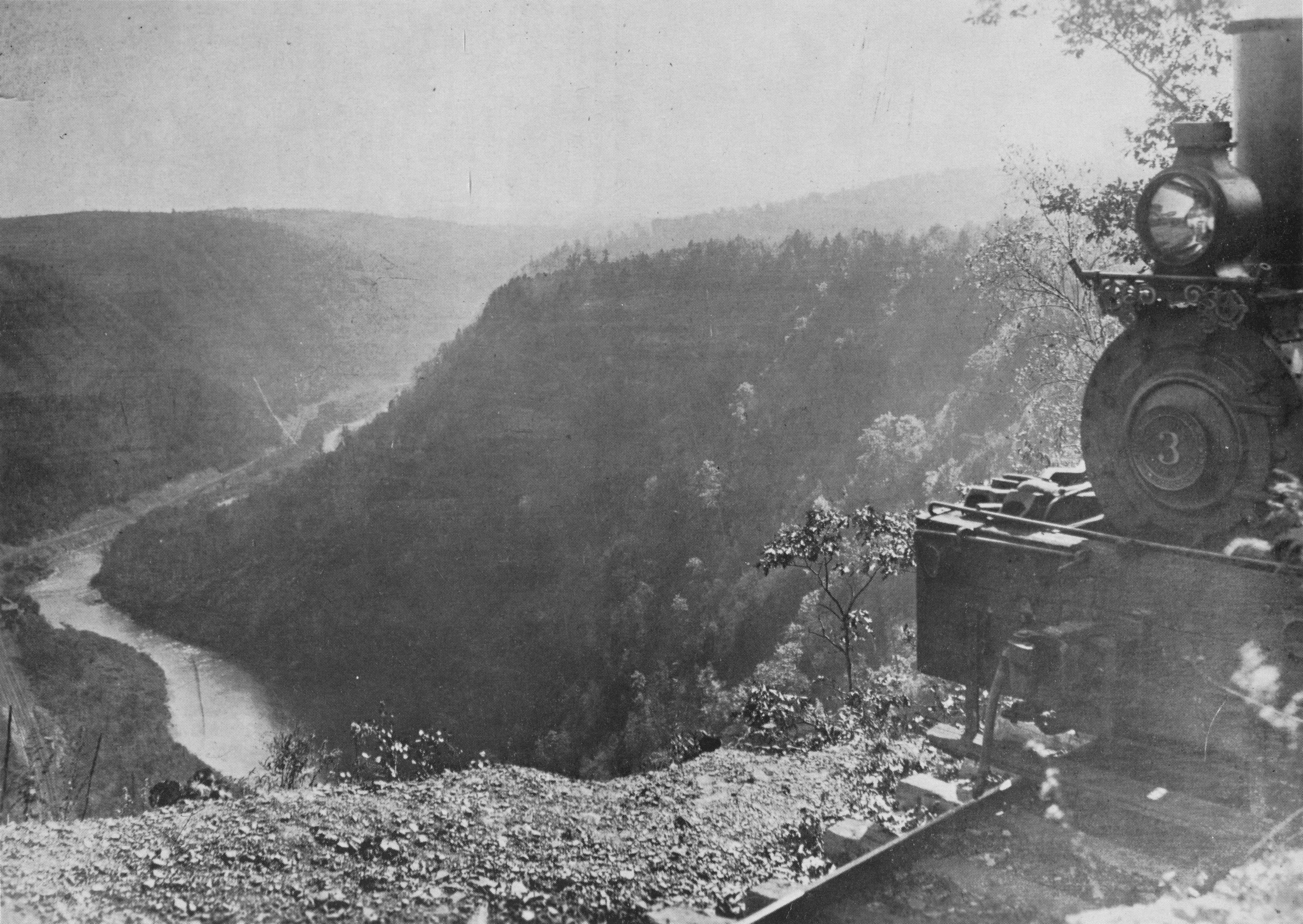
Long before Pennsylvania’s mountains were known for green valleys, woodland trails and scenic overlooks, parts of the state had been stripped almost bare. By the late nineteenth century, decades of intensive logging had transformed once-thick forests into landscapes marked by exposed soil, abandoned stumps and piles of dry timber waste. The heavily logged areas became known as the ‘Pennsylvania Desert’, a term used to describe the barren landscapes left behind after extensive timber harvesting and repeated wildfires.
Get breaking news anytime, anywhere. Download the TOI app now!
The decline of Pennsylvania’s forests took place during a period when approaches to forest management were changing across the United States. The United States Department of Agriculture Forest Service publication Southern Forest Science: Past, Present, and Future explores the development of forest science and management practices, including the role of research in shaping conservation approaches. In Pennsylvania, concerns over heavily cut forest lands and repeated fires led to the creation of a state forest system focused on protecting and managing forest resources. According to the Pennsylvania Department of Conservation and Natural Resources, Pennsylvania acquired its first state forest tract in Clinton County in 1898, purchasing 7,500 acres under the state's forest reservation programme. The acquisition became the foundation for what later developed into the Pennsylvania State Forest System.
How a timber boom changed Pennsylvania’s mountains
During the nineteenth century, Pennsylvania’s forests were heavily used for timber, with large-scale harvesting changing many areas of the landscape. Vast stands of hemlock and white pine supplied industries that depended on wood for construction, manufacturing and other commercial uses. As demand increased, logging expanded deeper into mountain regions, removing large areas of mature forest.
But the rapid removal of trees created problems that became clear once the timber supply declined. Many cleared areas were left with little vegetation to protect the soil. Without enough tree cover, rainfall could wash loose soil into streams and rivers, affecting surrounding landscapes and waterways.
The Forest Service publication discusses how changes in forest use and management practices shaped the development of modern forestry in the United States. The crisis highlighted the need for more organised forest management, including planting, protection and scientific study.
Logging debris left on the ground created dry fuel, allowing flames to spread easily. Historically, railway operations were often associated with forest fires, as sparks from steam locomotives were considered one possible source of ignition in dry forest areas. These repeated burns made it harder for young trees to survive and delayed the return of forest vegetation.
Pennsylvania's early forestry officials began experimenting with ways to restore depleted land. Tree nurseries were established, seedlings were planted, and forest protection measures were introduced to support the gradual return of forest cover. Pine species were among the early choices because they could establish themselves in difficult conditions and help stabilise degraded sites. Even with these efforts, the scale of the damage remained immense. Large areas of degraded forestland required attention, prompting the need for a much larger workforce to carry out conservation work across the state.
How the Civilian Conservation Corps reshaped the landscape
The Civilian Conservation Corps (CCC), created in 1933, later became central to Pennsylvania’s forest restoration work. The programme was established as part of the New Deal and employed young men while carrying out conservation projects across the United States. The National Park Service notes that CCC workers were involved in activities such as planting trees, building trails and improving public lands during the programme’s operation.
The USDA Forest Service publication suggests that conservation programmes in this era reflected a growing emphasis on active forest management alongside natural regeneration. In Pennsylvania, CCC workers supported this approach by planting trees, reducing fire risks and improving access to forest areas, helping create conditions for forests to recover over time.
Workers planted seedlings across sections of land affected by earlier logging and helped construct infrastructure that supported forest management. Fire lookout towers, roads and other facilities built during this period improved the ability of forestry teams to monitor and maintain public forest lands.
Newly planted trees needed years of protection before they could become established woodland. As these planted areas matured, forest conditions gradually improved, creating opportunities for natural regeneration in some locations. Native hardwood species also became established in many areas over time, adding greater diversity to forests that had initially been restored through planting and continued management.
As forests matured and vegetation returned, the landscapes became more suitable for species that depend on woodland habitats. As forest areas developed over time, they provided more varied woodland conditions that could support a range of plants and animals associated with forest habitats.
A forest legacy built over generations
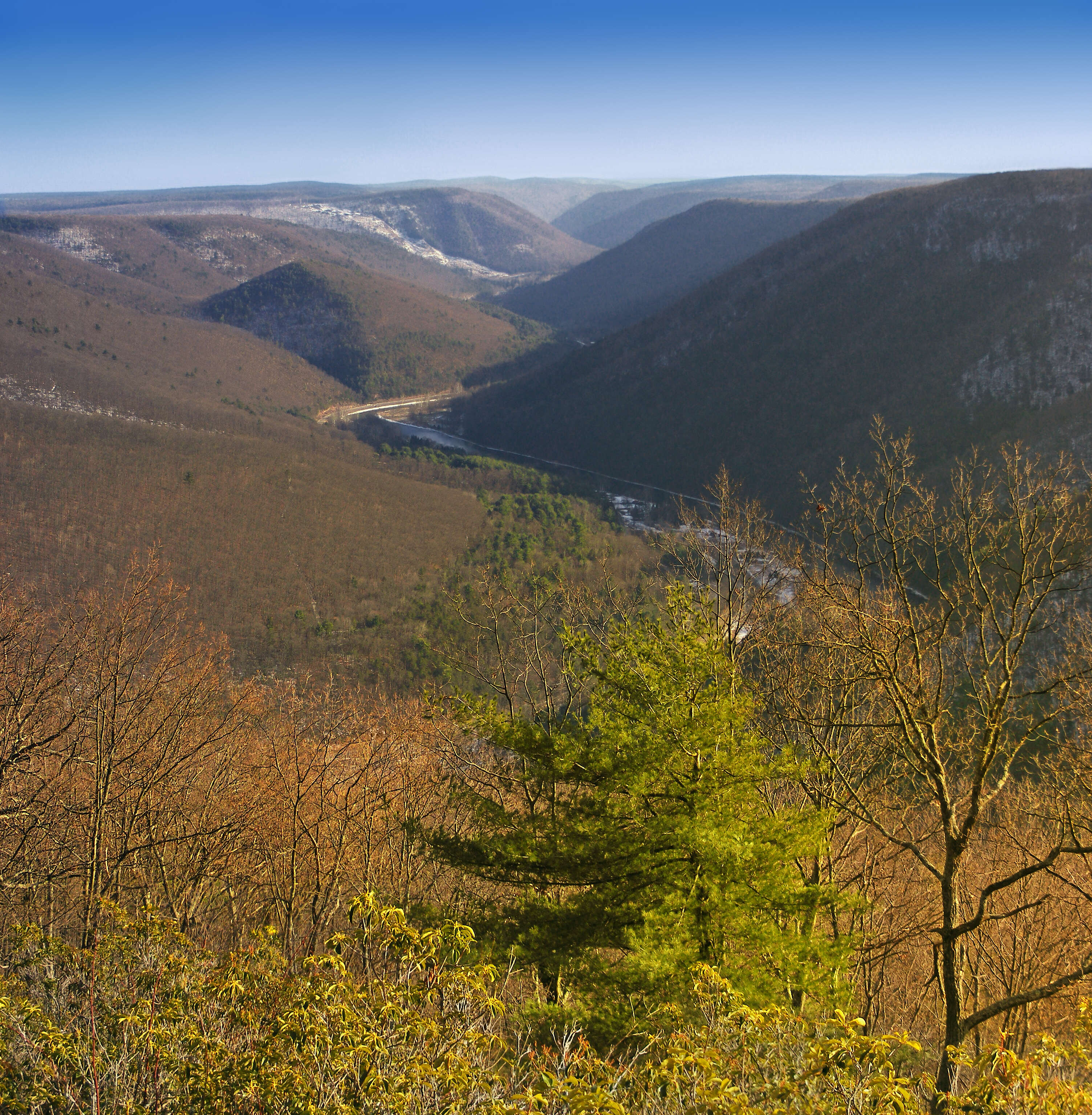
Today, Pennsylvania manages more than 2.1 million acres of state forest land across the state, a landscape that has changed significantly from the heavily cleared areas seen more than a century ago. The transformation was not the work of a single programme or generation.
It reflected decades of planning, research and continued management of public forests. Early land purchases in the late nineteenth century created the foundation, and programmes such as the Civilian Conservation Corps accelerated conservation work in the twentieth century.
The USDA Forest Service’s report highlights how forest conservation in the United States evolved from protecting remaining trees to a broader approach focused on restoration, research and responsible management. Pennsylvania’s forests show how sustained management can help landscapes recover. Mountains once marked by bare slopes and fire-prone clearings are now wooded landscapes that support plants, wildlife and nearby communities.