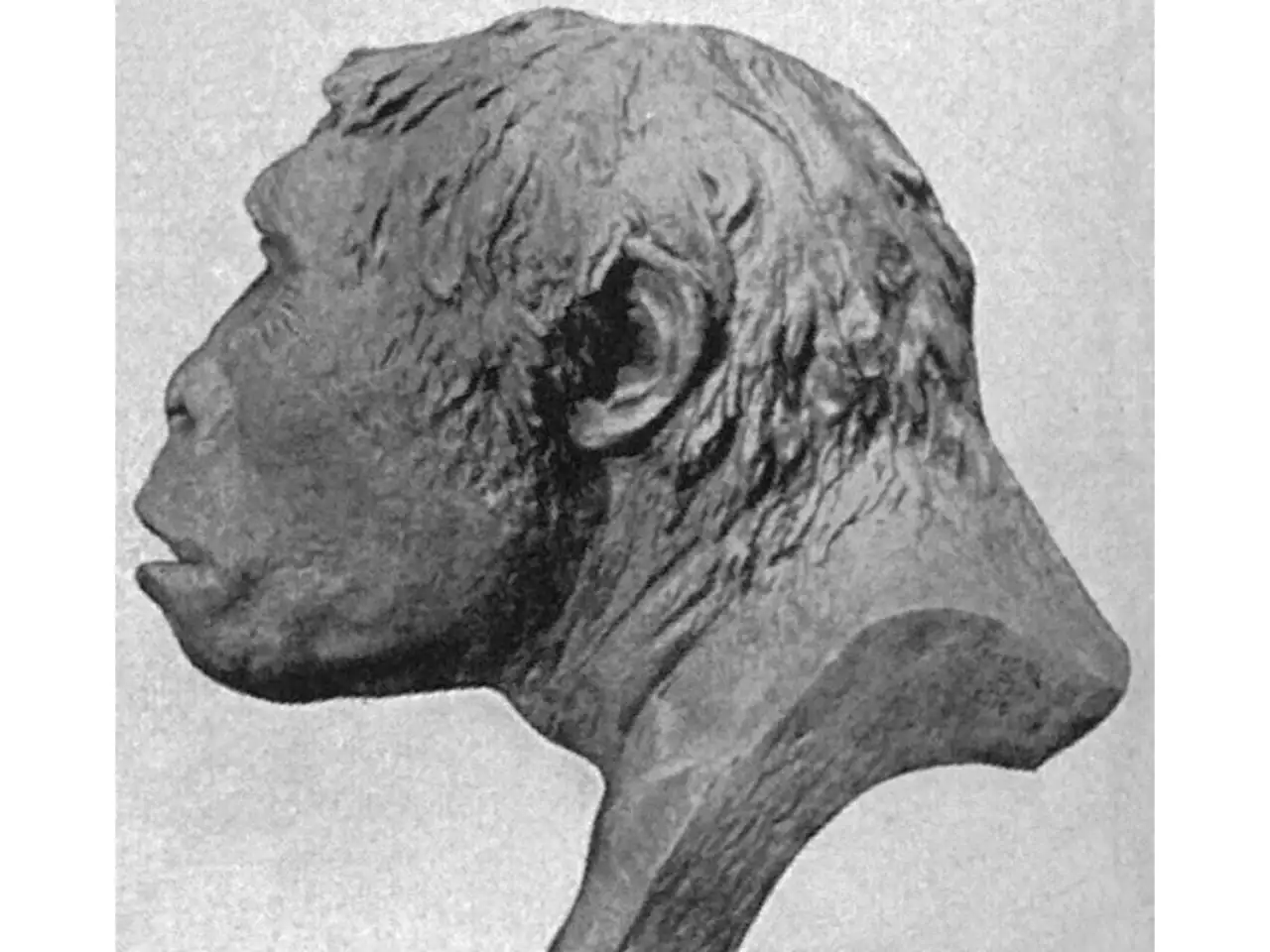
In the late nineteenth century, the search for humanity’s ancient ancestors was still driven more by speculation than by fossil evidence. That changed dramatically when Dutch anatomist Eugène Dubois began excavating along the Solo River in Java, then part of the Dutch East Indies.
While carefully examining fossil-bearing riverbank deposits near Trinil, Dubois recovered remains that would become known as Java Man, one of the most famous fossils in the history of paleoanthropology. At the time, he identified the specimen as Pithecanthropus erectus , believing it represented an evolutionary form between apes and humans.
Modern research places the fossil within Homo erectus , a species now regarded as one of the most important members of the human family tree. More than a century later, Java Man remains significant not only because of what Dubois found, but because the discovery helped shift debates about human evolution from theory toward fossil-based evidence.