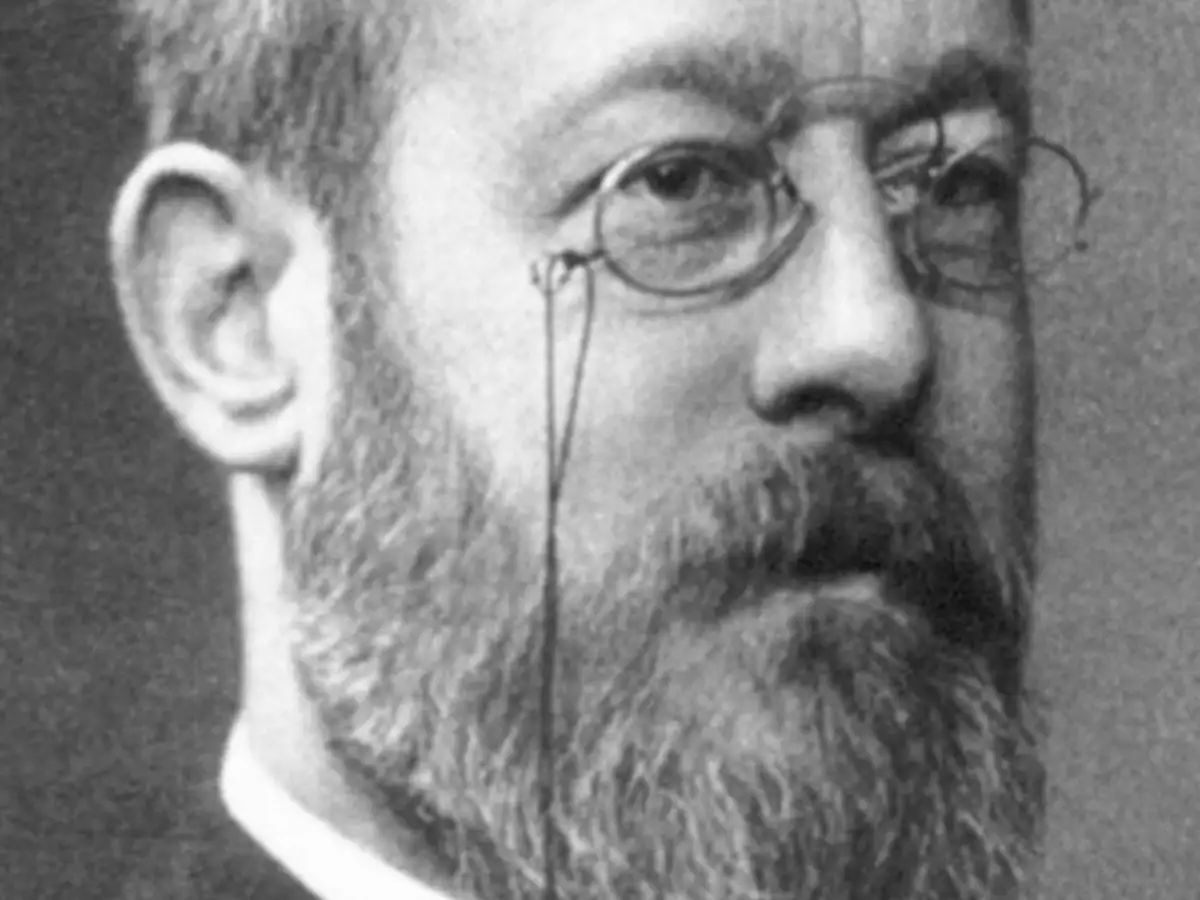
Many of the scientific discoveries that revolutionize the field of medicine are made by exploring other issues and questions rather than those they will ultimately be related to. For instance, in 1889, the German physician and pharmacologist Joseph von Mering, together with his colleague Oskar Minkowski, who shared an interest in studying the role of the pancreas in digestion and fat breakdown, conducted some experiments. In order to prove their hypothesis, they performed a surgical intervention on a dog and cut off its pancreas. Although the procedure went successfully, it yielded unexpected results: after some time, the dog began producing larger volumes of urine containing sugar. Although the discovery is rather trivial in modern medicine, it became one of the key elements of diabetes research.
Today’s medical historians recognize the experiment as a watershed in research for what it accomplished by directing scientists’ focus from diabetes as a mere ailment with symptoms to its importance as an ailment centered on an organ: the pancreas. While the researchers in question neither found nor developed insulin, what they did achieve is no less significant – they provided a biological roadmap for further exploration.