Florida at that time enjoyed a warm climate, water channels and unique natural landscapes. As tourists and immigrants settled down, plants from around the world were introduced into their gardens or parks. Some of these plant introductions became localised while others spread out widely.
Get breaking news anytime, anywhere. Download the TOI app now!
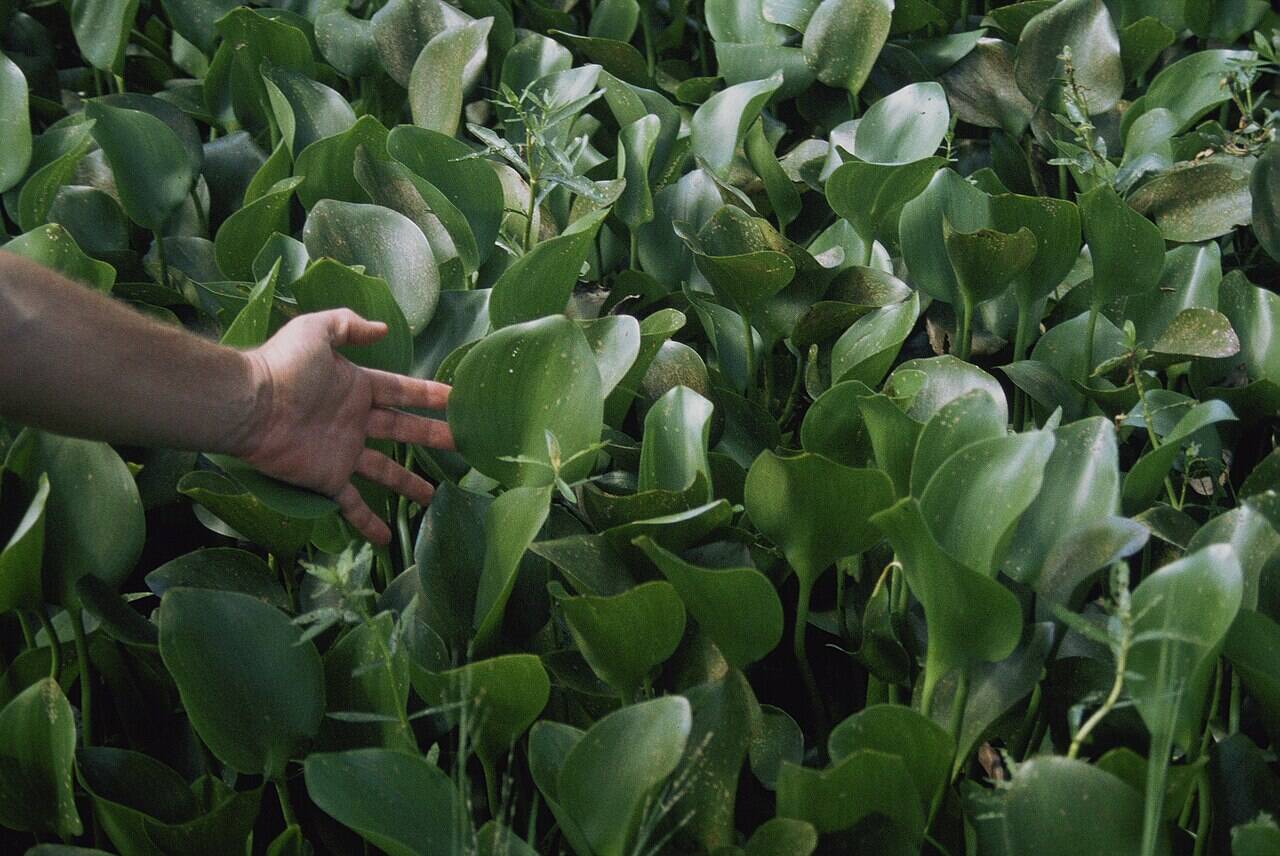
One such case involved water hyacinth, a floating plant with attractive purple flowers that was introduced along the St Johns River in 1884. The National Park Service’s Historic Resource Study for Canaveral National Seashore documents Florida’s changing landscapes. During this period, rivers were important routes for travel and trade, so changes to river conditions affected nearby communities.
Mrs W. F. Fuller planted water hyacinth after obtaining it from the World’s Industrial and Cotton Centennial Exposition in New Orleans. Initially valued as an ornamental plant, it soon spread through Florida’s waterways. By 1896, reports said the plant had spread along roughly 200 miles of the St. Johns River, making navigation difficult.
Rapid proliferation of water hyacinth in the St Johns River turned an ornamental plant into a navigation challenge. As the floating vegetation spread, it covered long stretches of the river, making it more difficult for boats to move through affected areas. The episode illustrated how a plant introduced for decorative purposes could have unexpected consequences once it became established in a connected waterway.
Changes that came to Florida's waterways because of the introduced plant
The National Park Service's Historic Resource StudyStudy explains that Florida's waterways were closely linked with the region's development. Rivers and canals influenced where communities grew and how people and goods moved across the landscape. As water hyacinth spread through sections of the St Johns River, it affected a waterway that was already an important part of everyday life and transportation.
The spread of water hyacinth also coincided with a period of rapid change across Florida. Expanding settlements, new transportation links and increasing human activity were reshaping the landscape. Against this backdrop, the introduction of a non-native plant added another change to the state's waterways. The National Park Service research places this episode within the broader history of Florida's evolving relationship with its natural environment, showing how human actions and environmental change became closely intertwined.
Water hyacinth can grow to be very thick mats on the surface of the water, and such mats have been noted to cause various problems in aquatic environments and human uses of waterways. Once established, the plant made it difficult to access some areas of the river.
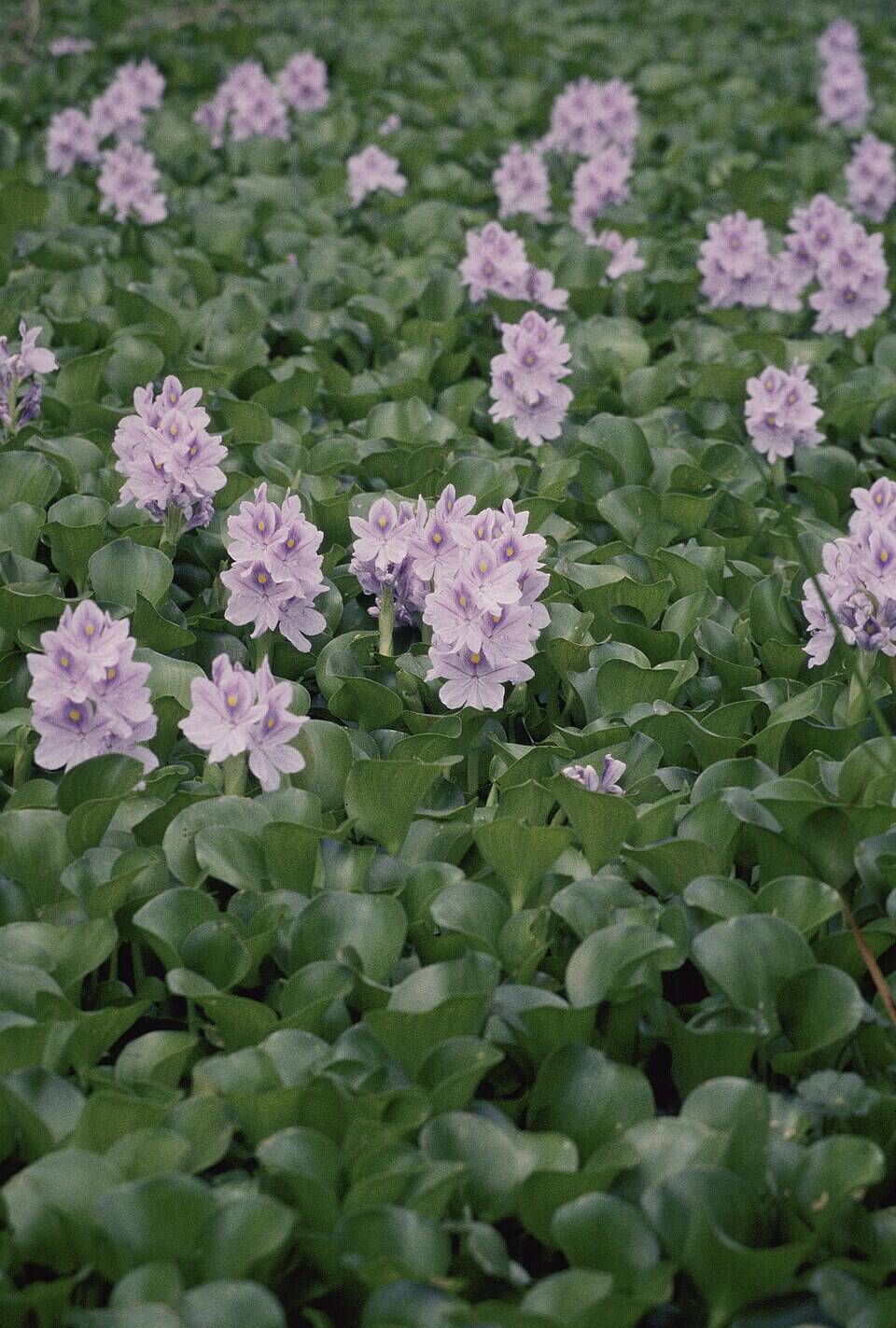
A reminder of the power of small changes on the landscape
The history of water hyacinth in the St. Johns River is an example of how one introduction can change the whole environment. A plant introduced near a river bank later grew to cover a much larger area than the initial spot.
The episode also changed public attitudes toward introducing plants from other regions. While exotic species were once often viewed simply as attractive additions to gardens and landscapes, cases like water hyacinth showed that their effects could extend beyond the places where they were first planted.
The National Park Service’s Historic Resource Study for Canaveral National Seashore highlights how Florida’s natural areas have always been connected with human activity. Rivers, coastal landscapes and surrounding habitats have been shaped by the ways people travelled, settled and used these environments over time.
The purple flowers of water hyacinth may have once seemed like a striking addition to Florida’s landscape. Its spread along the St. Johns River had lasting effects in a connected natural system.