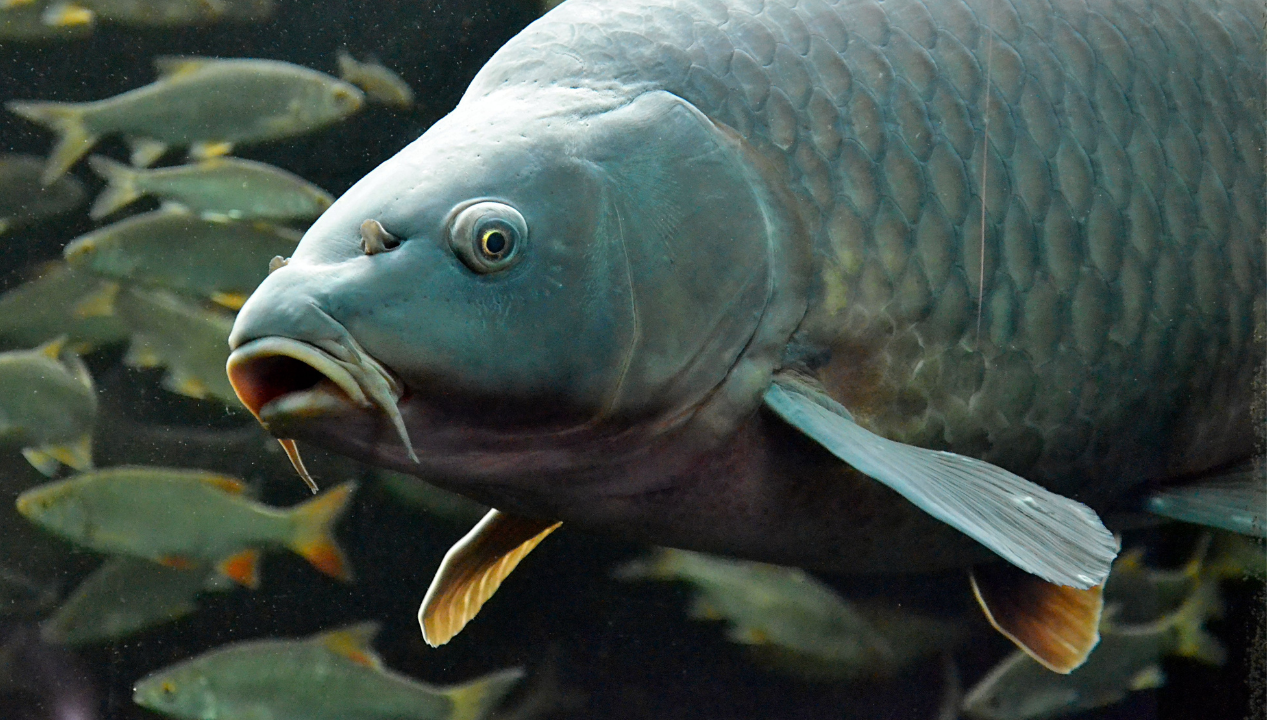
In 1877, the U.S. Fish Commission loaded crates of a foreign fish onto trains and sent them across the country. The goal was simple: give Americans a cheap, hardy food fish. According to a risk assessment published by the U.S. Fish and Wildlife Service , the agency imported common carp from Germany that year and spent the next two decades stocking rivers, lakes, and farm ponds nationwide. It looked like a win for the dinner table. Nearly 150 years later, the carp are still here, and the damage they caused runs far deeper than anyone back then could have guessed.
Get breaking news anytime, anywhere. Download the TOI app now!
A well-meaning plan that got away
Common carp aren't native to America. They come from a stretch of Europe and Asia, from the Black Sea basin to China. A California breeder first raised them in private ponds in 1872, marketing them as a food fish. The federal push began five years later. Starting in 1877, the Fish Commission shipped carp across the country, often straight from railroad tank cars, releasing them into streams right at bridge crossings. State fish agencies joined in too.
It didn't take long for the fish to get loose on their own. The same USFWS assessment notes that farm ponds stocked with carp regularly flooded or breached their dams in the early 1880s, sending fish spilling into open water. From there, carp kept spreading on their own for decades, well beyond what any federal program planned. Today, the species has been recorded in every U.S. state except Alaska.
How one fish rearranges an entire lake
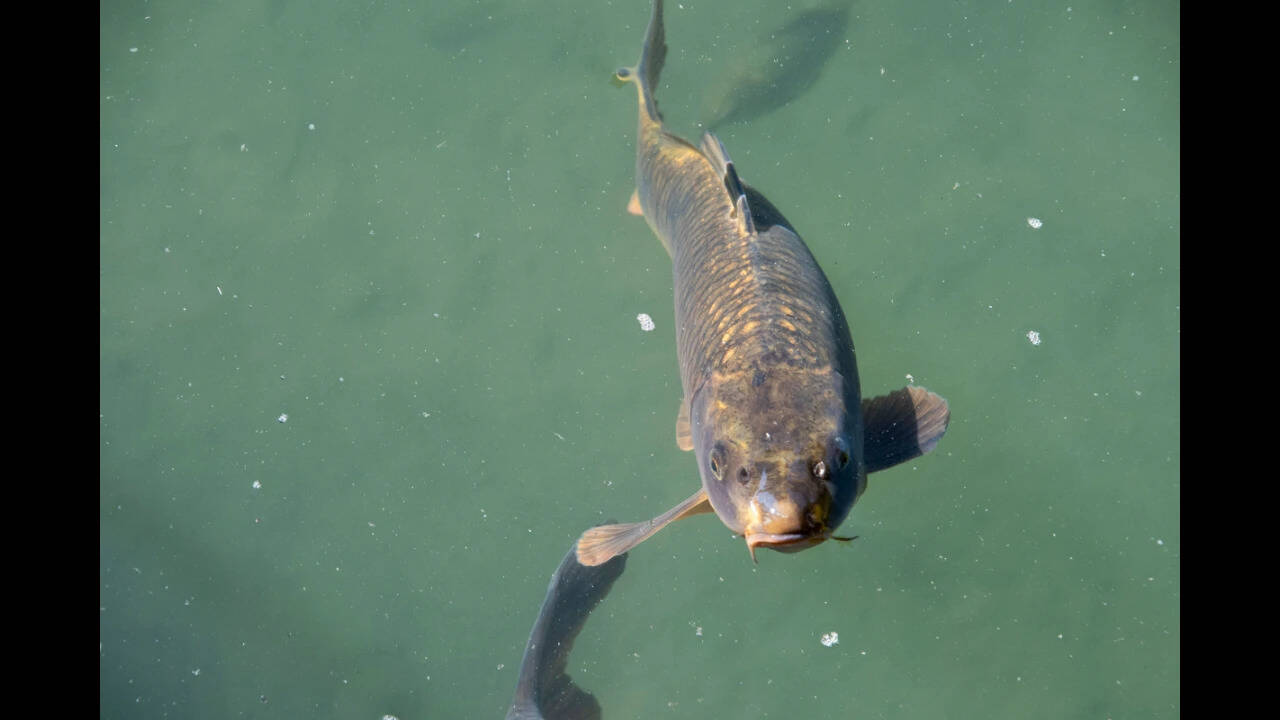
Carp don't just swim through a lake; they remodel it. They feed by rooting through mud and sediment much like pigs dig through soil, and that habit rips out rooted plants along the way. The study, ‘Effects of adult common carp (Cyprinus carpio) on multiple trophic levels in shallow mesocosms,’ published in the Canadian Journal of Fisheries and Aquatic Sciences , tested this directly by building controlled mini-lakes, some stocked with carp and some left carp-free. This study notes that the carp-free ponds stayed clear, with dense plant growth and clean water, while the ponds with carp turned cloudy and nutrient-rich, with far fewer plants. The pattern held whether carp numbers were low or high. The researchers concluded that carp had a stronger effect on water quality than a native bottom-feeding fish they tested alongside them.
Why disappearing plants are a bigger deal than they sound
Those underwater plants aren't just scenery. They're nurseries. Young native fish hide among them to dodge predators, and ducks and other waterfowl rely on them for food and nesting cover. The USFWS assessment points out that carp feeding activity destroys this rooted vegetation directly, while also clouding the water enough to block sunlight the plants need to grow back.
A broader review backs this up. Weber and Brown's 2009 paper in Reviews in Fisheries Science pulled together findings from earlier carp research and reported a consistent pattern: carp raise turbidity and nutrient levels in the water while reducing populations of the small invertebrates that other fish depend on for food. According to the paper, this chain of effects can flip a shallow lake from clear, plant-filled water into a murky, algae-heavy system that supports far less life.
From dinner plate to nuisance fish
The irony is that carp were brought here specifically to be eaten. For a brief window in the early 1870s, that plan worked, and carp were genuinely popular on American tables. It didn't last long. Per the historical record cited in the USFWS assessment, carp fell out of favour with American diners soon after and earned a new label: nuisance fish. Even now, most anglers in the U.S. think of carp as a "trash fish," even though the species is still caught commercially in the Great Lakes and remains a prized sport fish in parts of Europe.
Living with a fish that refuses to leave
Wildlife agencies have spent well over a century trying to manage common carp, with mixed results. Once a population takes hold in a lake, removing it is difficult and expensive, since a single female carp can lay over a million eggs in one season. Many lake managers today focus less on full eradication and more on keeping carp numbers below the point where damage speeds up.
It's a strange kind of legacy. A decision made in 1877 to solve a food shortage is still quietly reshaping American lakes and rivers, one uprooted plant at a time.