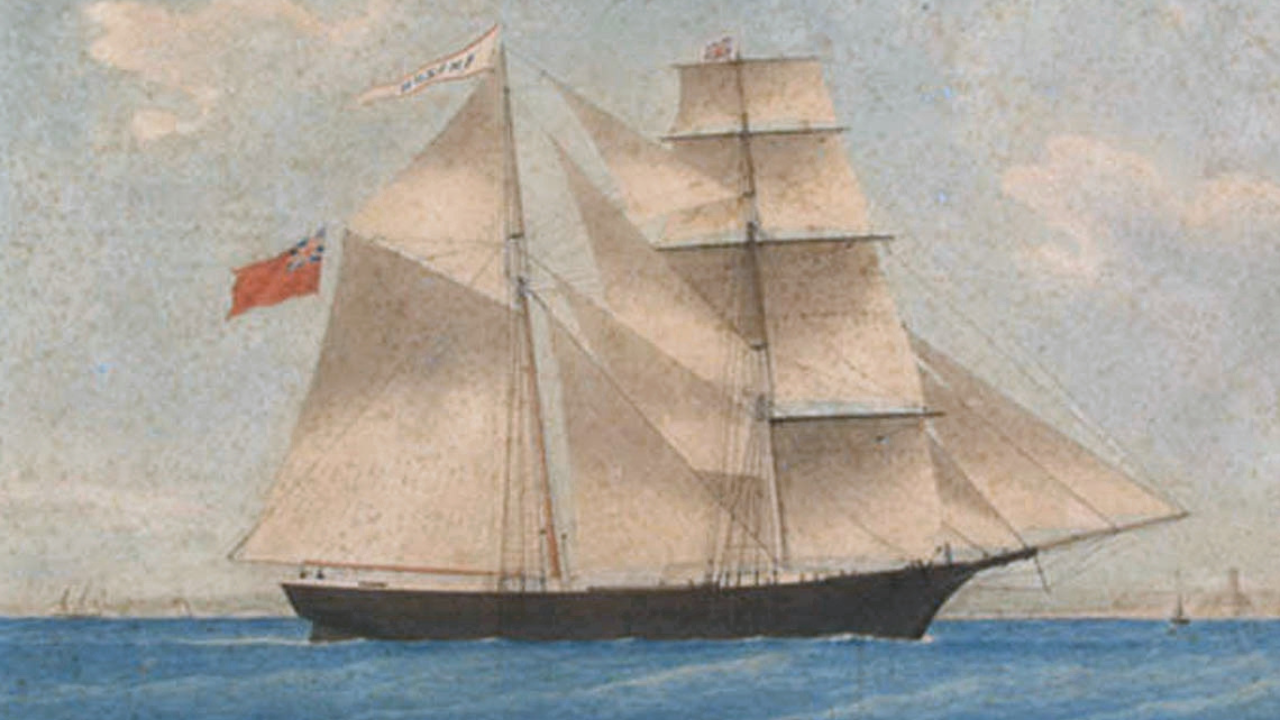
When the British brigantine Dei Gratia spotted the merchant ship Mary Celeste drifting through the Atlantic Ocean on December 4, 1872, it looked as though its crew had stepped away only moments before. The vessel was still under partial sail, its cargo remained in place, there was enough food and fresh water for months, and the captain’s personal belongings had not been disturbed. Yet not a single person remained aboard. Captain Benjamin Briggs, his wife, their two-year-old daughter and seven crew members had all disappeared, and nearly 153 years later, no confirmed explanation has solved one of maritime history’s greatest mysteries.
Get breaking news anytime, anywhere. Download the TOI app now!
A ship abandoned, but not destroyed
The Mary Celeste had departed New York on November 7, 1872, bound for Genoa, Italy, carrying more than 1,700 barrels of industrial alcohol. When the Dei Gratia encountered her near the Azores almost a month later, the vessel showed signs of disorder but not catastrophe. Some sails were damaged, several feet of water had collected in the bilge and the ship’s lifeboat was missing, yet the hull remained seaworthy and the valuable cargo was largely untouched. The final entry in the captain’s log was dated November 25, placing the ship several hundred miles from where it was eventually discovered.
The strange circumstances immediately triggered an official investigation in Gibraltar. Authorities considered whether mutiny, piracy, murder or insurance fraud could explain the disappearance, but investigators found no evidence of violence, no signs of a struggle and no indication that anyone had attempted to steal either the cargo or the crew’s possessions. Unable to establish a convincing theory, the court ultimately concluded that there was insufficient evidence to explain what had happened.
Theories have multiplied, but evidence remains scarce
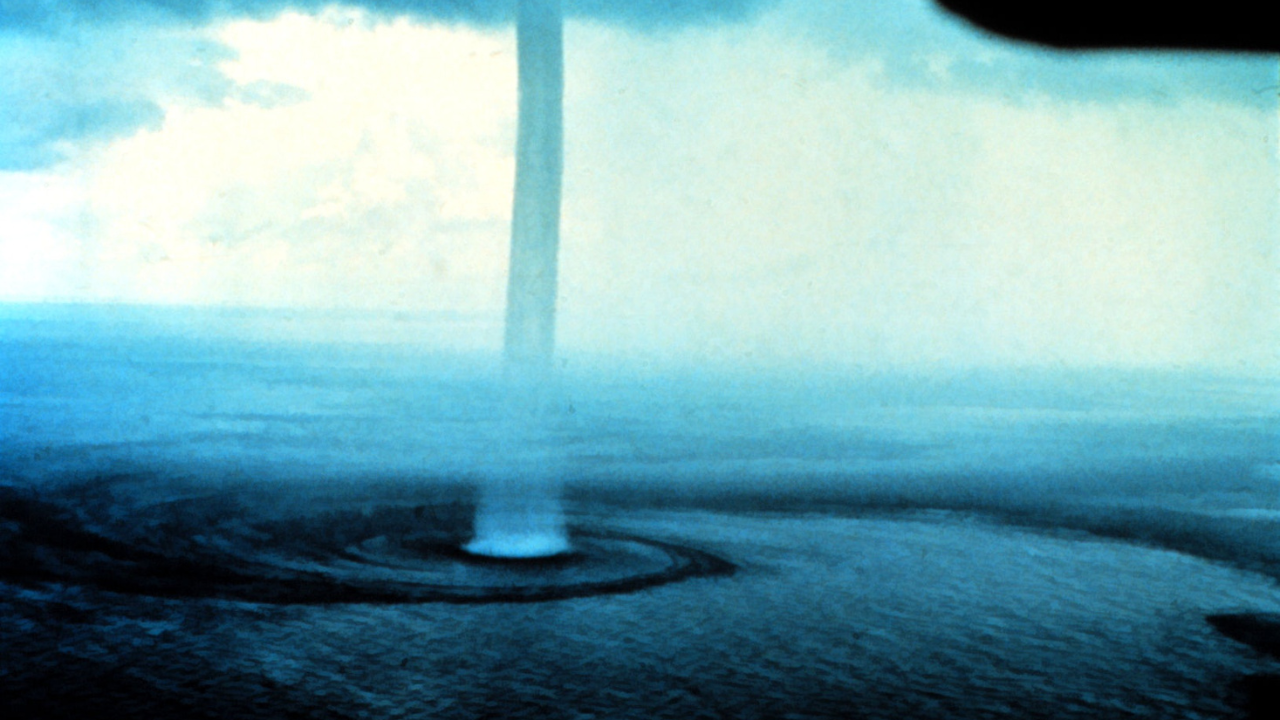
Because no bodies were ever recovered and the crew was never seen again, speculation quickly filled the gaps left by the investigation, according to Smithsonian Magazine . Some researchers have suggested that fumes leaking from the alcohol cargo may have convinced Captain Briggs that an explosion was imminent, prompting everyone to temporarily abandon ship in the lifeboat. Others have proposed that rough seas, waterspouts, or an unusually large wave may have separated the lifeboat from the vessel before those aboard could return.
One of the more widely discussed modern explanations came from researchers who recreated conditions aboard the ship and suggested that alcohol vapors escaping from damaged barrels could have caused a loud pressure-wave explosion without leaving burn marks or significant structural damage. Such an event might have frightened the captain into ordering a precautionary evacuation, believing the danger to be immediate even though the ship itself remained largely intact.
A mystery that still captures imaginations
The Mary Celeste continued sailing under new owners after being salvaged, but its reputation as the “ghost ship” of the Atlantic only grew stronger. The mystery entered popular culture through books, documentaries and fiction, including Arthur Conan Doyle’s 1884 short story J. Habakuk Jephson’s Statement , which introduced fictional details that many people later mistook for historical fact.
Historians today caution that many of the story’s most sensational elements, including sea monsters, alien encounters and paranormal explanations, were added decades after the event. What remains historically verifiable is already extraordinary: a seaworthy ship found adrift, fully stocked, carrying valuable cargo, with every person aboard vanished forever. More than 150 years later, the fate of Captain Briggs, his family and crew remains one of the most enduring unsolved mysteries ever recorded at sea.