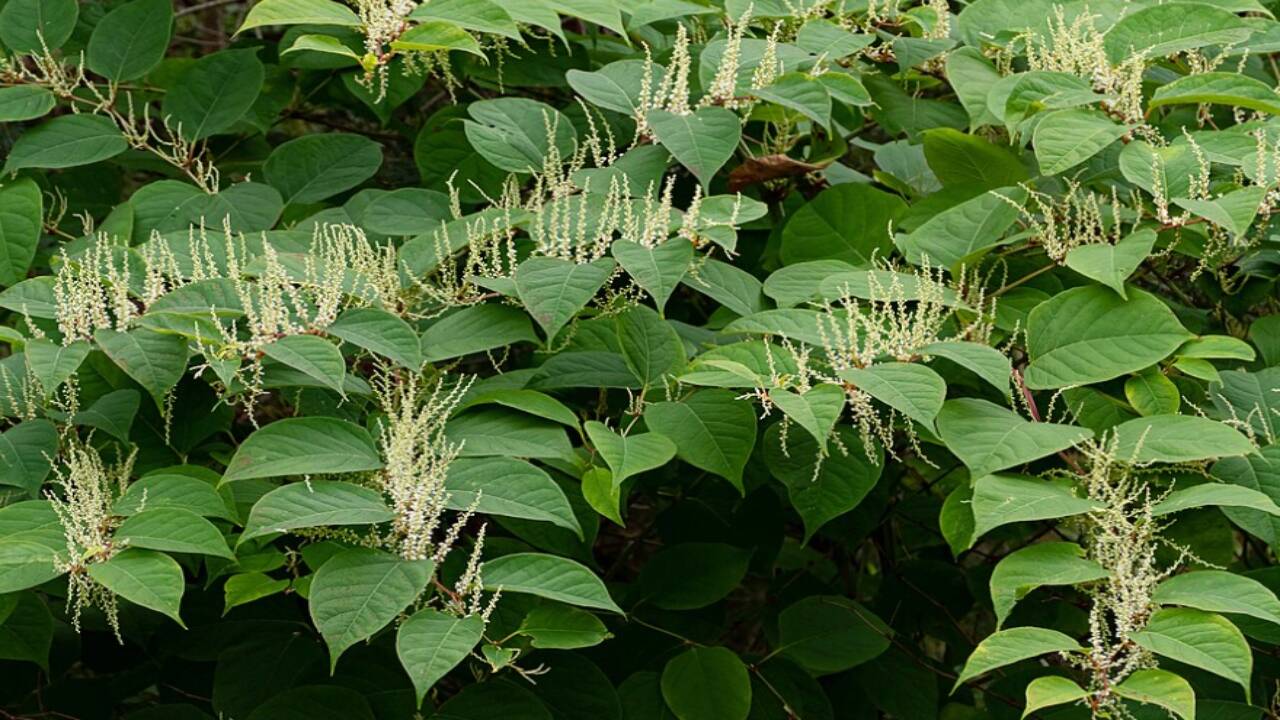
In August 1850, a parcel arrived at the Royal Botanic Gardens, Kew, containing a plant that would go on to reshape how Britain thinks about invasive species. The sender was Philipp Franz von Siebold, a Bavarian physician and plant collector who had spent years in Japan gathering specimens for European gardens. Japanese knotweed arrived with striking foliage, bamboo-like stems, and a growth habit that Victorian gardeners found irresistible.
Get breaking news anytime, anywhere. Download the TOI app now!
Siebold was already a celebrated importer of exotic plants, having introduced hydrangeas, peonies, and wisteria to Europe from his nursery in Leiden. Japanese knotweed proved to be one of his most successful exports. According to Country Life , the plant had already won a gold medal from the Agricultural and Horticultural Society in Utrecht. Once established in Britain, it was then distributed rapidly through nurseries and private gardens.
Victorian writers praised it in glowing terms, with one prominent gardener of the era calling it one of the most useful plants for small city gardens and others recommending it for the graceful, naturalistic look it lent to large estates. By the late 1800s, farmers had also begun growing it as fodder, feeding the nutritious young shoots to cattle before spring grazing was ready. That practice may have accelerated its spread across the countryside.
Nobody at the time understood what they were unleashing. Japanese knotweed spreads primarily through its root system, known as rhizomes, which can extend several meters from a single plant and regenerate into a full new infestation from a piece as small as a thumbnail. According to a study published in the National Institutes of Health's PMC archive , the knotweed now established across the United Kingdom is believed to descend from the single female specimen Siebold sent to Kew in 1850. Despite being largely sterile in Britain and unable to produce viable seeds, the plant became a national menace strictly through this subterranean persistence, where even tiny, severed root fragments discarded in soil or moved by water quickly spawn aggressive new colonies.

From prize plant to legally controlled weed
The consequences of that shipment took more than a century to become fully clear. Japanese knotweed's rhizomes can exploit existing cracks in pavement, drains, and masonry, and its dense growth chokes out native vegetation wherever it establishes. By the late twentieth century, the plant had become such a widespread problem that Parliament intervened directly. Under the Wildlife and Countryside Act 1981 , it became a criminal offense to cause the plant to grow in the wild, and the Environmental Protection Act 1990 later classified any soil contaminated with its rhizomes as controlled waste, adding substantial disposal costs to any construction or renovation project where it turns up.
The plant also carries a substantial financial cost. According to written evidence submitted to a UK parliamentary committee , Japanese knotweed has been estimated to cost the British economy well over a hundred million pounds a year, and mortgage lenders now routinely refuse loans on affected properties unless the seller can produce a professional treatment plan backed by insurance. The same evidence noted that a landmark court ruling forced a major rail operator to pay damages to homeowners after knotweed spread from its land onto their properties, paving the way for similar claims elsewhere in the country. Homeowners are required to declare its presence when selling, and a single confirmed infestation can knock thousands of pounds off a property's value, even years after the plant has been treated and removed.
An ornamental import that outgrew its welcome
More than 175 years after that parcel reached Kew Gardens, Japanese knotweed remains a striking example of how a well-intentioned botanical introduction can go badly wrong. As he packaged specimens for European collectors eager for novelty, Siebold could not have known that his plant would eventually require dedicated legislation, court cases, and a specialist removal industry. What began as a coveted addition to Victorian gardens is now tightly regulated under British law.