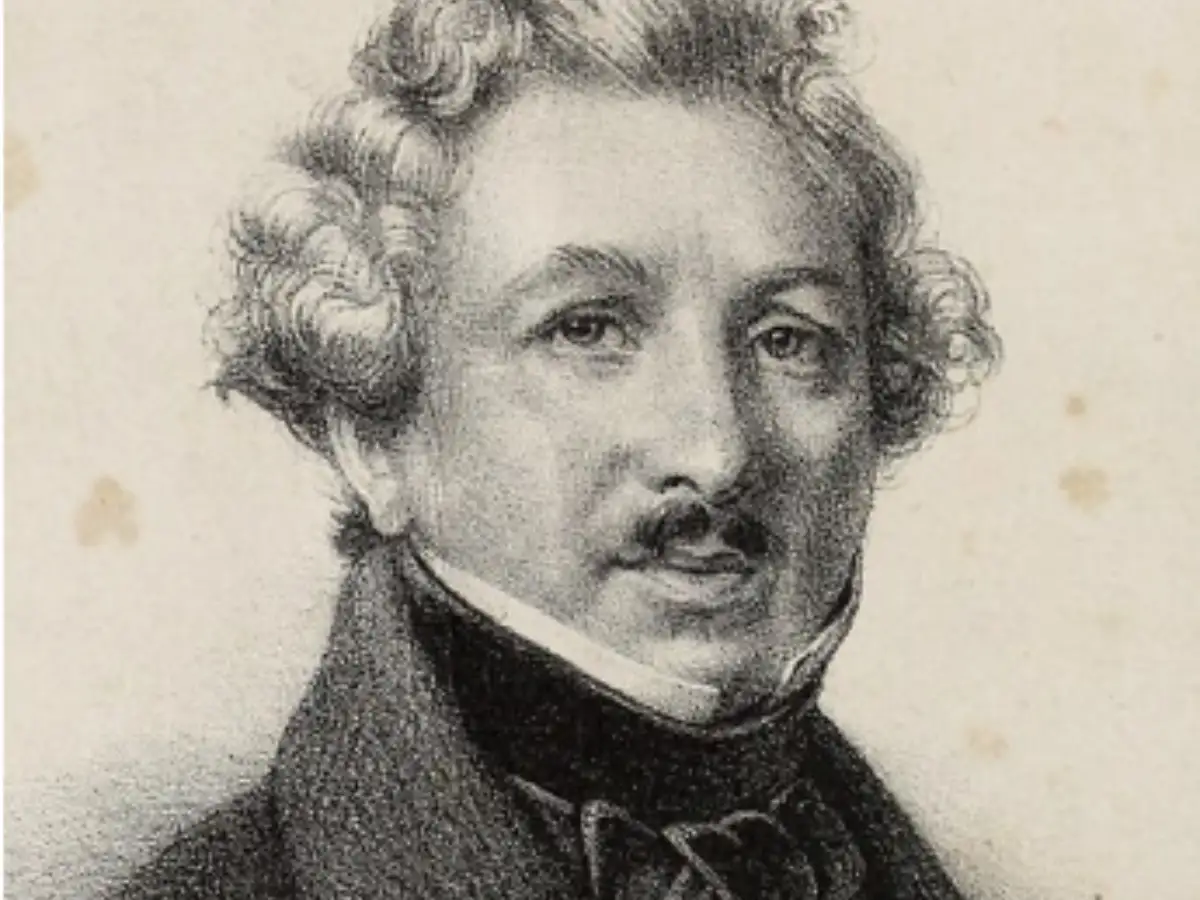
When thinking about the invention of photography, one usually assumes that some moment occurred when someone took a photograph on the very first try. The reality, however, was not as spectacular as expected. In 1839, French artist and inventor Louis Daguerre developed a photographic method that was based on an invisible process. Having exposed a silver plate to the light source in a camera obscura, it was unlikely that any image would appear on it. There were images, but those remained invisible. However, a certain second chemical reaction made the image visible again. According to Daguerre, an important step towards discovering this process occurred when the exposed plate was placed in a cabinet filled with various chemicals. Returning home after such an experiment, one could see that a picture had been produced on the plate, which led to the idea of developing it with mercury vapor.
This invention revolutionized the field of photography, making it a viable practice. Photography used to require a long exposure, which, however, produced visible images instantly. Now it was possible to produce images by first capturing them invisibly and later developing them chemically.