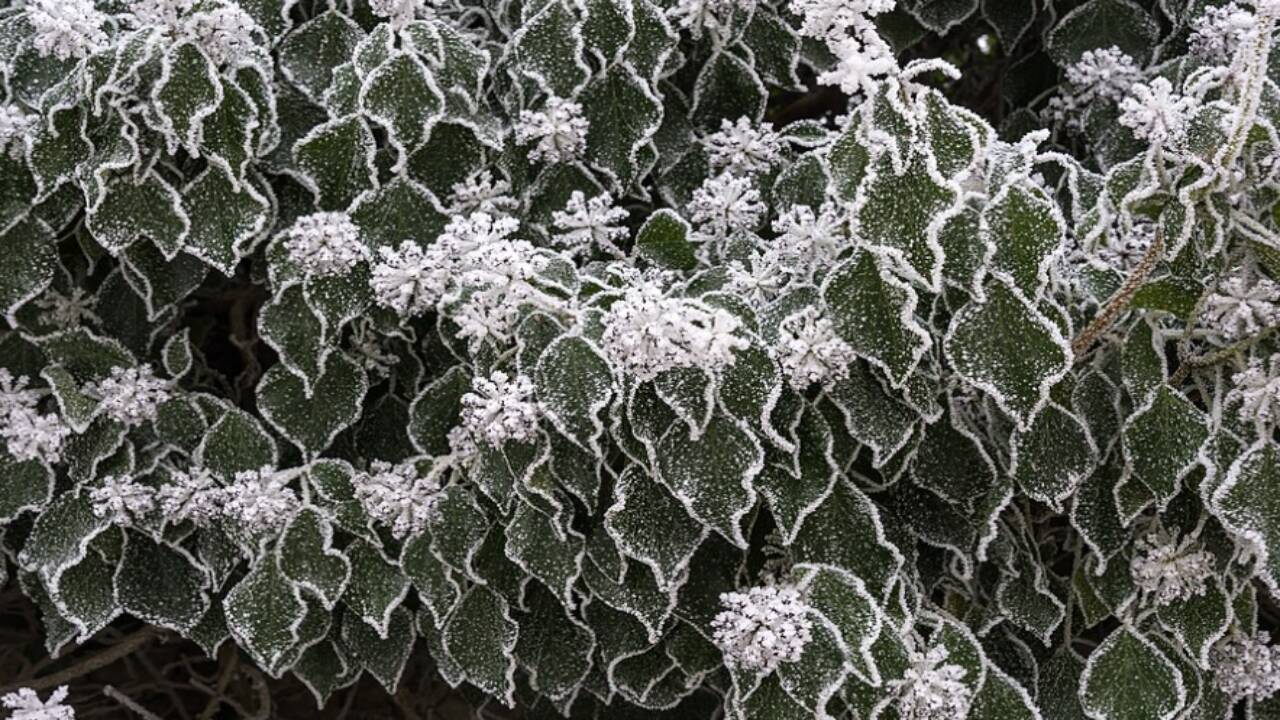
In 1727, European settlers introduced English ivy to American gardens. The glossy evergreen vine is native to Europe, Western Asia, and North Africa. Colonists valued it for exactly the reasons gardeners still buy it today, as a low-maintenance, year-round ground cover that stayed green through winter when most other plants had died back. Nearly three centuries later, that same hardiness has made it one of the most persistent invasive species in the United States.
A garden favorite that spread beyond gardens
Get breaking news anytime, anywhere. Download the TOI app now!
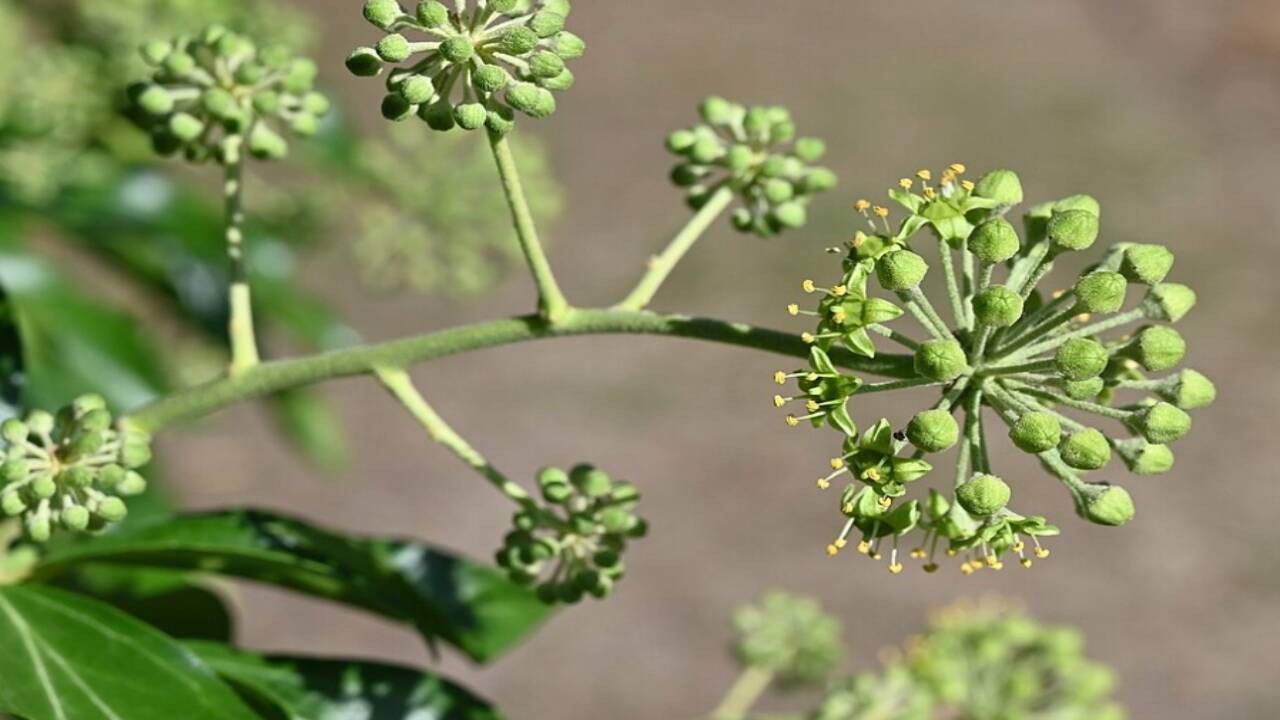
For more than a century after its introduction, English ivy behaved largely as intended, spreading only as far as people planted it. That changed once the vine matured enough to flower and produce fruit. According to the National Invasive Species Information Center , the plant spread through the nursery trade, and its earliest naturalized populations outside cultivation date to the 1870s. Birds ate the berries and dispersed the seeds, allowing the vine to establish itself in wild areas. It is now listed as invasive in at least 18 states, spreading beyond gardens into forests, parks, and other natural areas on both coasts. English ivy grows in two distinct stages, and its biology is central to the damage it causes. In its juvenile stage, it spreads low along the ground and forms dense mats that block sunlight from native seedlings and wildflowers.
Once a vine reaches a tree trunk, it shifts into its mature flowering stage and begins climbing, sometimes reaching 90 feet or more up a single trunk. According to the University of Maryland Extension , ivy that reaches the canopy blocks light from the host tree's leaves and weakens it over years of reduced photosynthesis. The added weight can also make heavily infested trees more likely to snap or topple in storms and heavy snow.
Why nurseries still sell a plant regulators consider invasive
Unlike some invasive species that arrived by accident, English ivy spread because people deliberately planted it for nearly 300 years, long before ecologists understood the risks non-native plants could pose to local ecosystems. That gap in understanding helped the plant become deeply embedded in American landscapes. According to the Smithsonian Institution , English ivy remains one of the most widely spread invasive plants in the country despite its ecological harm. It continues to be sold and planted in gardens even in regions where it is officially recognised as a threat to natural areas. Horticulturists there note that while not every imported plant becomes a problem, species like English ivy are especially likely to escape cultivation because they grow aggressively and thrive in many conditions.
According to the King County Noxious Weed Control Programme, ivy's damage extends beyond blocking sunlight and adding weight to branches. The plant can also harbour bacterial leaf scorch, a pathogen that threatens oaks, elms, maples, and other hardwood trees in ivy-infested areas. That adds to the physical damage caused by the vines. Removing established infestations is slow and labour-intensive. Crews typically cut vines at the base of a tree and strip them from the ground by hand, since even small root fragments left behind can regrow. Land managers say a single mature vine can take years of repeated cutting and monitoring before a tree is fully clear. Infestations left untreated for decades can require large volunteer efforts to reclaim even a small patch of forest.
Nearly 300 years after colonists first planted it for its evergreen foliage, English ivy remains legal to buy at garden centres in most of the country, even as land managers spend many hours each year pulling it off trees. The gap between the plant's ornamental reputation and its ecological impact has widened over time, leaving conservation groups to wage an uphill battle against a deeply entrenched landscape favourite.