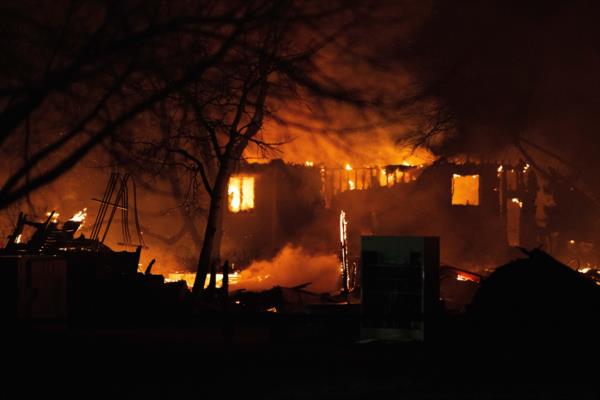
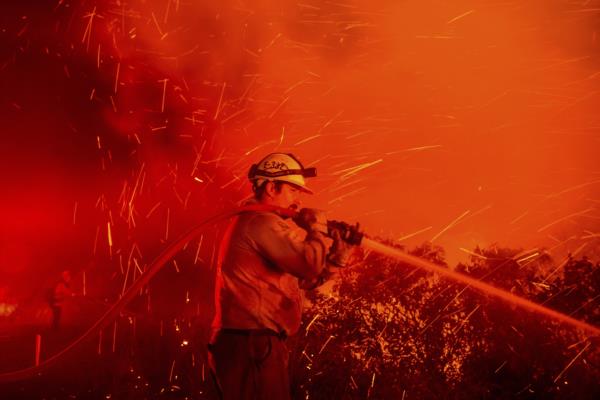
Recent devastating wildfires in cities like Santa Rosa, Paradise, Boulder County, Lahaina, and Los Angeles have highlighted the vulnerability of American cities and their water systems to wildfire damage. As wildfires become more frequent and intense due to climate change, water utilities are realizing the urgent need to enhance their infrastructure to withstand such threats.
Key Strategies for Building Resilient Water Systems:
1. Remote Shutoff Valves:
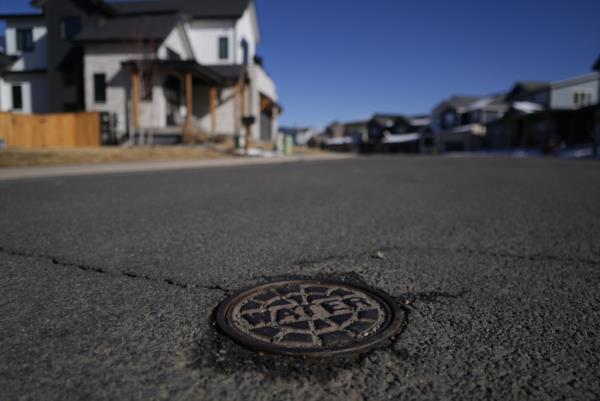
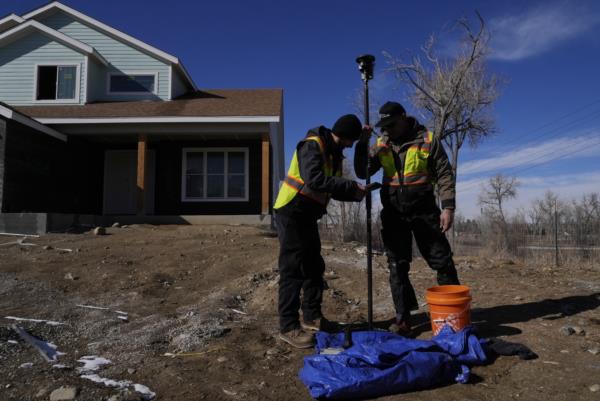
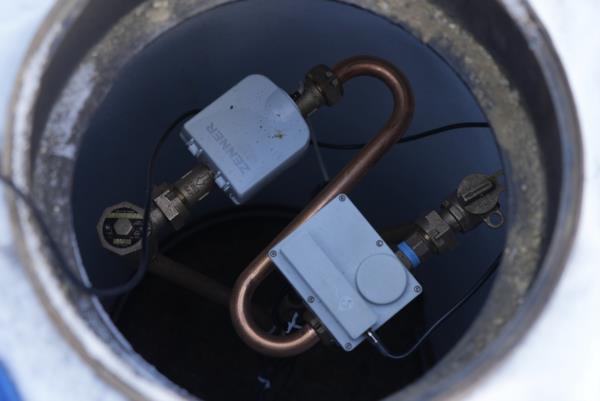
Installing remote shutoff valves at meters in homes can prevent water wastage during fires. Louisville, Colorado, has taken steps to implement these valves post the Marshall Fire, enhancing firefighting efficiency.
2. Emergency Water Sources:
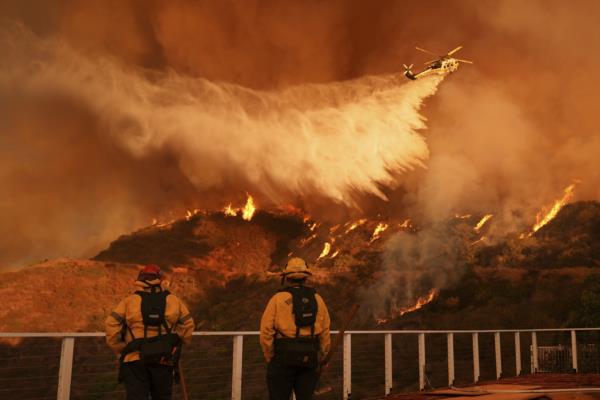
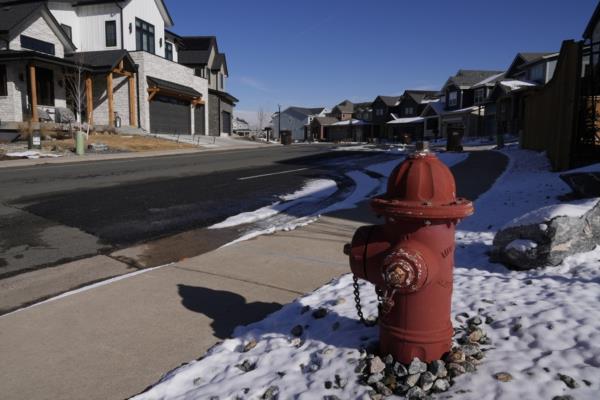
Creating 'heli-hydrants' in cities allows firefighting helicopters quick access to water. San Diego County's successful use of a 5,000-gallon heli-hydrant during the Garden Fire exemplifies this strategy.
3. Dedicated Pipes for Firefighting:
San Francisco's century-old high-pressure pipe system for firefighting, separate from the regular water supply, serves as a model for other cities. This system ensures water availability for combating large fires.
4. Backup Power:
Having backup power sources, such as diesel generators, is crucial for maintaining water supply during power outages. Louisville's switch to diesel generators post the Marshall Fire showcases the importance of this measure.
5. Contamination Mitigation:
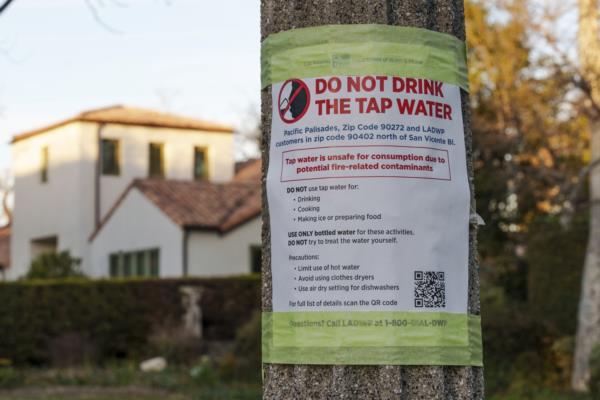
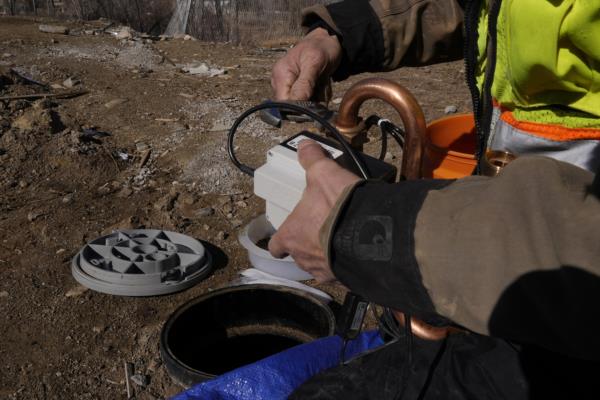
Preventing chemical contaminants from entering the water system is vital. Installing backflow prevention devices and taking precautions to limit heat damage to water system components can safeguard water quality.
Future Outlook:
Experts suggest the adoption of a national water infrastructure wildfire code to standardize protective measures. Insurers could incentivize risk reduction efforts by offering discounts to municipalities implementing such strategies.
As cities grapple with the escalating threat of wildfires, investing in resilient water infrastructure is imperative to safeguard communities and ensure reliable access to clean water in times of crisis.