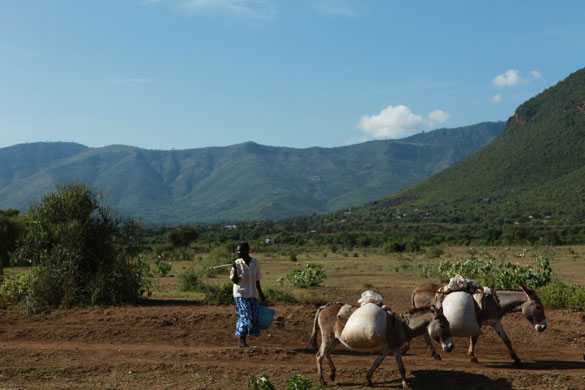
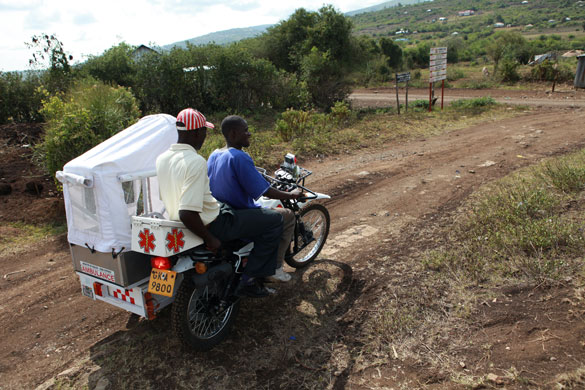
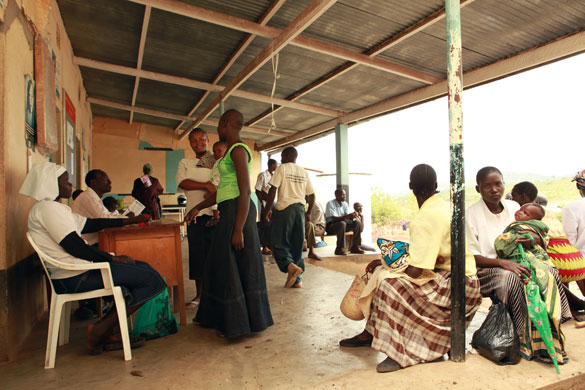
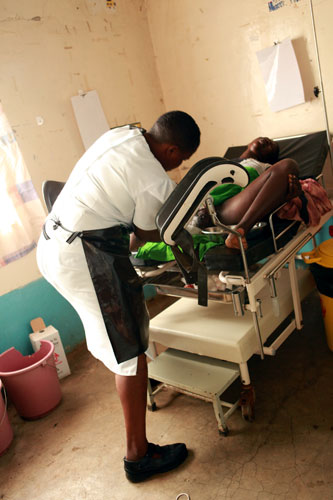
Gwassi, Nyanza province, Kenya. One in 200 mothers will die in childbirth here, and one in five children will not live to be five years old. The Department for International Development (DFID) has decided to work with the Kenyan government to help the mothers and children of NyanzaPhotograph: Caroline Irby/DFIDHere, where there are few roads, a motorcycle with a sidecar ambulance is a clever, low-cost idea. Many mothers give birth at home because the healthcare centre at Magunga is just too far away to walk. Samuel Ouko, the ambulance driver, has ferried 15 mothers in labour to Magunga in the last four months. All gave birth to healthy children. If necessary, a nurse or midwife can ride pillion behind SamuelPhotograph: Caroline Irby/DFIDToday at the Magunga health centre there are 30 mothers attending pre-natal classes and others coming for immunisations and check-ups for their babies. Two women delivered daughters. DFID is funding an extension to the tin-roofed building, to give more beds for mothers and better facilities. At the moment, the centre has no electricity and night-time deliveries are often carried out by torchlightPhotograph: Caroline Irby/DFID
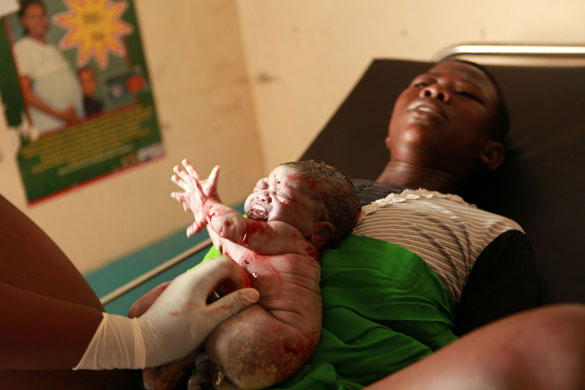
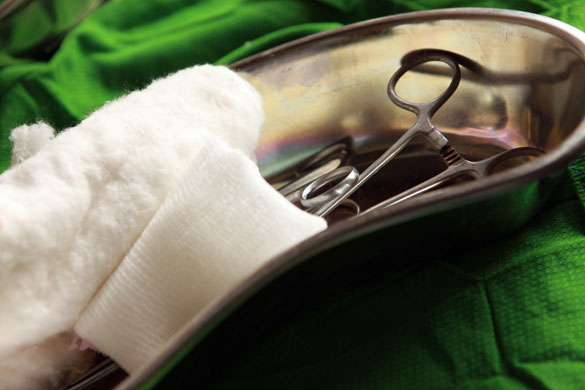
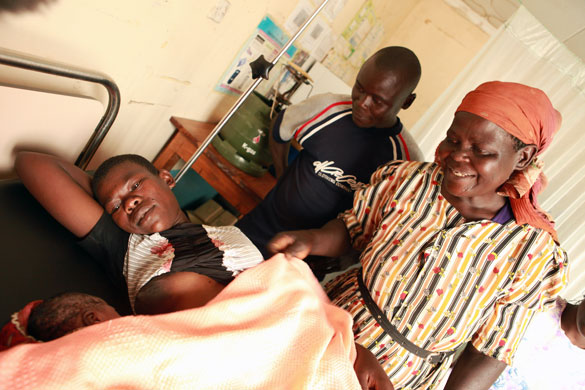
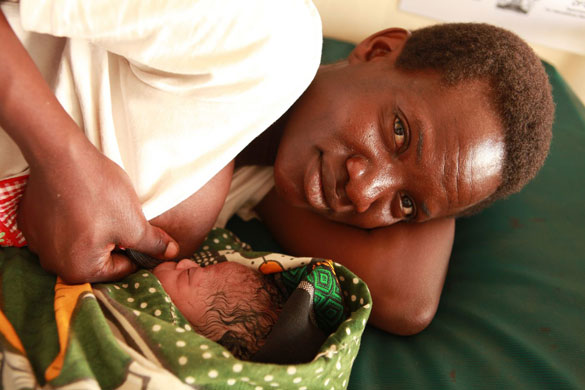
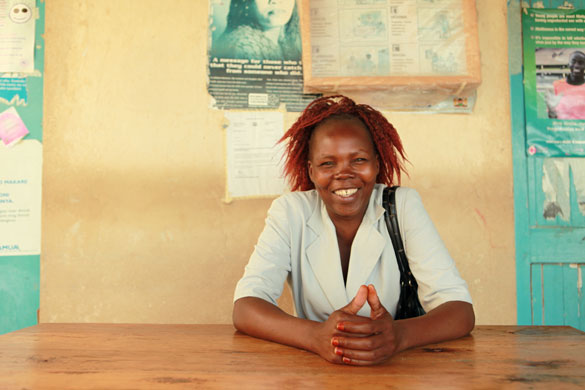
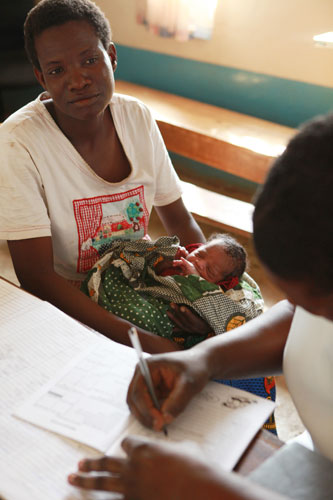
With the help of midwife Doreen Nalianya, Quinta Akini, 19, who walked for three hours to reach Magunga health centre, will give birth to a girl. Nowadays the centre caters for up to 20 births a month - two years ago there were only five. But work on education in the villages has meant that now most mothers come here - they know it costs nothing and is much safer than giving birth at homePhotograph: Caroline Irby/DFIDAfter a short labour, Quinta Akini gives birth to a girl within 15 minutes of arriving. Nowadays the centre caters for up to 20 births a month - two years ago there were only five. But work on education in the villages has meant that now most mothers come here - they know it costs nothing and is much safer than giving birth at homePhotograph: Caroline Irby/DFIDThe baby will be called Doreen Achieng, says Quinta. She will be the 20th in the village to be named after the much-loved and hard-working community midwifePhotograph: Caroline Irby/DFIDDoreen is pleased because of the new and up-to-date instruments. She also received some training in resuscitation techniques for newborns. But the delivery room and her wards still lack a reliable water supplyPhotograph: Caroline Irby/DFIDQuinta's husband John is grinning with delight at his first girl child - he keeps shaking everyone's hands. Her mother, Phelgona Atieno, says: "God has worked miracles: we came to the hospital, she delivered a baby girl and the placenta came out immediately. We will come to clinic for her next children"Photograph: Caroline Irby/DFIDJane Mudaji, 32, gave birth to her baby, Helen, a couple of hours ago. "The motorcycle ambulance helped me very much. When the labour started at home this morning, we called it immediately. It would have taken me an hour of fast walking to the health centre, and I don't think that would have been possible"Photograph: Caroline Irby/DFIDBeatrice Achieng Ochieng is a hairdresser and volunteer DFID-trained community health worker. She helped Jane get to hospital in the motorcycle ambulance. "As soon as we arrived at Magunga she delivered. I am so pleased because though Jane has had five children, she has had problems before. I've got two daughters and a baby girl, and I find it easy to explain to mothers in the village why it is best to go to hospital for the birth. Two family friends and a relative of mine died in childbirth in the village. They were young women and their deaths could have been easily avoided"Photograph: Caroline Irby/DFIDJane Mudaji and baby Helen are ready to go home. Doreen does the paperwork and administers a diphtheria, tetanus and polio injection. She makes sure Jane knows when to come back for a check-up and gives her a DFID-donated mosquito net. If the baby avoids malaria she is nearly twice as likely to survivePhotograph: Caroline Irby/DFIDIt's the end of the day. It started with an ambulance ride to hospital, but now Jane is safely back at home with her children and a new sister for them. Tonight her family will prepare a feast for her to congratulate her and help get her strength backPhotograph: Caroline Irby/DFID
Sign up to read this article
Read news from 100’s of titles, curated specifically for you.