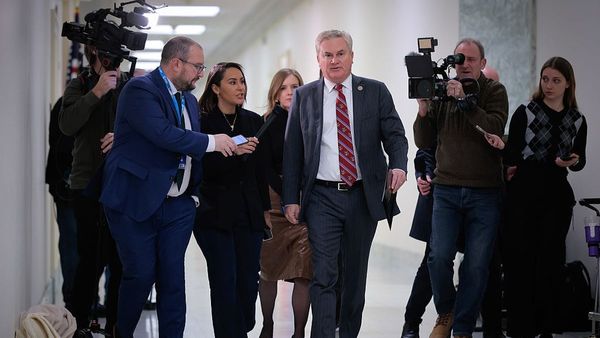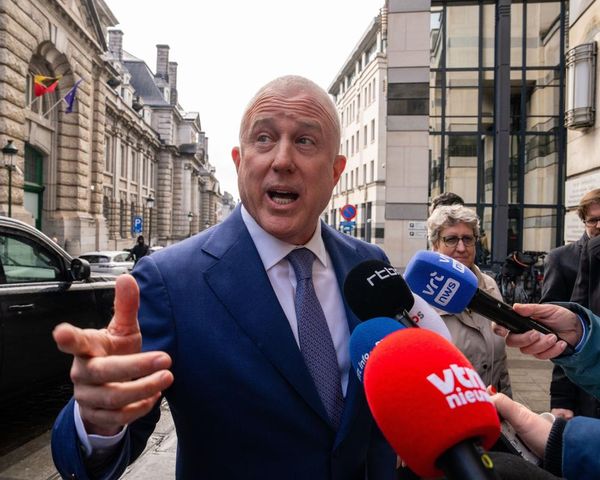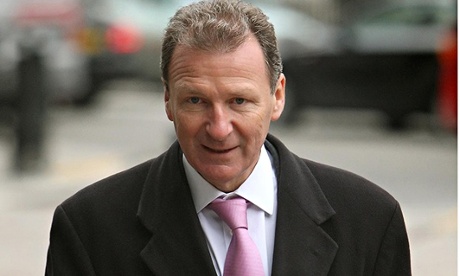
Theresa’s had four. Vince has had three. Iain has had just two. And George has only had one.
The Whitehall Monitor 2014, which my organisation the Institute for Government published on 18 November, shows that in many of the main government departments, the top minister has had a longer shelf life than the top official – with permanent secretaries moving on in an unplanned way, leaving gaps to cover, and then in some cases moving again well before the four-year norm.
The stand-out exception is the Treasury, where Sir Nicholas Macpherson, appointed in 2005, has already clocked up more than nine years of service at the top. Unless he makes a surprise announcement soon, he will be the only permanent secretary to have been there at the start and the end of this parliament.
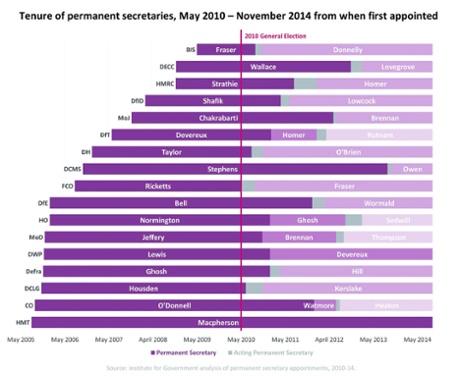
No permanent secretary in 2010 was in their post for the previous government transition – but then the previous government had been in power for 13 years.
With a possible change of government coming up next year, there might have been an expectation that permanent secretaries would have more experience managing the changeover and the pre-election contact with the opposition that proceeds it. But in fact, in the main Whitehall departments, only three permanent secretaries have any experience of a transition – Robert Devereux (DWP), Simon Fraser (FCO) and Macpherson (Treasury).
Incoming ministers will find permanent secretaries with less experience, but likely to stay around longer. What was noticeable in 2010 was how many permanent secretaries had been in post for a long time. Many were prolonged in post by then cabinet secretary Lord Gus O’Donnell to see in a new government in May 2010, which was followed by a large-scale change shortly after the election. That meant most ministers were more experienced and knowledgeable about their departments than their most senior official.
Some of those early post-election changes backfired and there was another round of musical chairs in 2011-12. But as the data shows, relations seem to have settled down. In the past year there have been no changes at the top of departments, though that will change in February when Sir Bob Kerslake leaves Communities and Local Government.
His successor will be the first appointed under the new rules that will formally allow the prime minister to pick from a shortlist of above-the-line candidates. Critics of this move fear it will lead to more instability among permanent secretaries. As our data shows, there is already considerable churn under the present system. In subsequent Whitehall Monitors we will see whether that happens.
Read more:
Jill Rutter is programme director at the Institute for Government
Interested in public services? Sign up for your weekly Public Leaders newsletterwith news and analysis sent direct to you every Thursday. Follow us on Twitter via @Guardianpublic